Un sistem numit Arielle combină elemente precum casca de înaltă tehnologie și armura corpului, printre alte articole de îmbrăcăminte, care pot regla temperatura corpului forțelor de luptă de mâine în timp real – ceea ce reprezintă un avantaj pentru forțele în climatul tropical înfundat
Dezvoltarea rapidă a sistemelor electronice flexibile și portabile dă naștere unei game incitante de aplicații, de la ceasuri inteligente și ecrane flexibile – cum ar fi telefoane inteligente, tablete și televizoare – la țesături inteligente, sticlă inteligentă, plasturi transdermali, senzori , și altele
Posted: Feb 01, 2018
Engineers develop flexible lithium battery for wearable electronics
(Nanowerk News) The rapid development of flexible and wearable electronics is giving rise to an exciting range of applications, from smart watches and flexible displays—such as smart phones, tablets, and TV—to smart fabrics, smart glass, transdermal patches, sensors, and more. With this rise, demand has increased for high-performance flexible batteries. Up to now, however, researchers have had difficulty obtaining both good flexibility and high energy density concurrently in lithium-ion batteries.
A team led by Yuan Yang, assistant professor of materials science and engineering in the department of applied physics and mathematics at Columbia Engineering, has developed a prototype that addresses this challenge: a Li-ion battery shaped like the human spine that allows remarkable flexibility, high energy density, and stable voltage no matter how it is flexed or twisted. The study is published today in Advanced Materials („Bio-inspired, spine-like flexible rechargeable lithium-ion batteries with high energy density”).
Schematic of the structure and the fabrication process of Yang’s spine-like battery. (a) Schematic illustration of bio-inspired design, the vertebrae correspond to thick stacks of electrodes and soft marrow corresponds to unwound part that interconnects all the stacks. (b) The process to fabricate the spine-like battery, multilayers of electrodes were first cut into designed shape, then strips extending out were wound around the backbone to form spine-like structure. (Image: Yuan Yang/Columbia Engineering) (click on image to enlarge)
“The energy density of our prototype is one of the highest reported so far,” says Yang. “We’ve developed a simple and scalable approach to fabricate a flexible spine-like lithium ion battery that has excellent electrochemical and mechanical properties. Our design is a very promising candidate as the first-generation, flexible, commercial lithium-ion battery. We are now optimizing the design and improving its performance.”
Yang, whose group explores the composition and structure of battery materials to realize high performance, was inspired by the suppleness of the spine while doing sit-ups in the gym. The human spine is highly flexible and distortable as well as mechanically robust, as it contains soft marrow components that interconnect hard vertebra parts. Yang used the spine model to design a battery with a similar structure. His prototype has a thick, rigid segment that stores energy by winding the electrodes (“vertebrae”) around a thin, flexible part (“marrow”) that connects the vertebra-like stacks of electrodes together. His design provides excellent flexibility for the whole battery.
“As the volume of the rigid electrode part is significantly larger than the flexible interconnection, the energy density of such a flexible battery can be greater than 85 percent of a battery in standard commercial packaging,” Yang explains. “Because of the high proportion of the active materials in the whole structure, our spine-like battery shows very high energy density¾higher than any other reports we are aware of. The battery also successfully survived a harsh dynamic mechanical load test because of our rational bio-inspired design.”
Video demonstrating flexibility of Yang’s lithium-ion battery powering a smart watch, in flat, flexed, and twisted configurations.
Yang’s team cut the conventional anode/separator/cathode /separator stacks into long strips with multiple “branches” extending out 90 degrees from the “backbone.” Then they wrapped each branch around the backbone to form thick stacks for storing energy, like vertebrae in a spine. With this integrated design, the battery’s energy density is limited only by the longitudinal percentage of vertebra-like stacks compared to the whole length of the device, which can easily reach over 90 percent.
The battery shows stable capacity upon cycling, as well as a stable voltage profile no matter how it is flexed or twisted. After cycling, the team disassembled the battery to examine the morphology change of electrode materials. They found that the positive electrode was intact with no obvious cracking or peeling from the aluminum foil, confirming the mechanical stability of their design.
To further illustrate the flexibility of their design, the researchers continuously flexed or twisted the battery during discharge, finding that neither bending nor twisting interrupted the voltage curve. Even when the cell was continuously flexed and twisted during the whole discharge, the voltage profile remained. The battery in the flexed state was also cycled at higher current densities, and the capacity retention was quite high (84 percent at 3C, the charge in 1/3 of an hour). The battery also survived a continuous dynamic mechanical load test, rarely reported in earlier studies.
“Our spine-like design is much more mechanically robust than are conventional designs,” Yang says. “We anticipate that our bio-inspired, scalable method to fabricate flexible Li-ion batteries could greatly advance the commercialization of flexible devices.”
Deși structurile biologice cum ar fi lumina difuză de mătase, alte materiale naturale cu microstructuri similare nu posedă modurile localizate, făcând posibilă localizarea luminii de către Anderson.
„O asemenea diferență face ca mătasea să fie deosebit de interesantă pentru transferul de căldură radiant”, a spus Kim. Mătasele au o emisivitate ridicată pentru lumina infraroșie, ceea ce înseamnă că acestea radiază ușor căldura sau radiația infraroșie, fiind în același timp un bun reflector al luminii solare. Deoarece reflexia puternică de la localizarea lui Anderson este combinată cu emisivitatea ridicată a biomoleculelor în radiația infraroșie, mătasele radiază mai multă căldură decât absorbția, făcându-l ideal pentru pasiv sau „auto-răcire”.
Posted: Jan 31, 2018
Silk fibers could be high-tech ‘natural metamaterials’ (w/video)
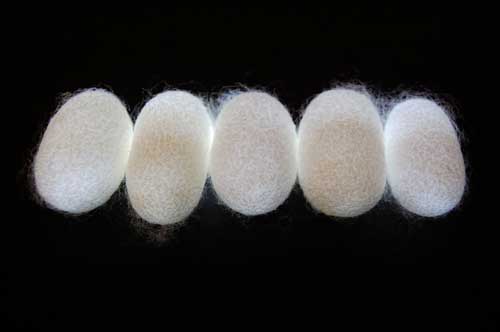
(Nanowerk News) New research has demonstrated how the nano-architecture of a silkworm’s fiber causes “Anderson localization of light,” a discovery that could lead to various innovations and a better understanding of light transport and heat transfer.
The discovery also could help create synthetic materials and structures that realize the phenomenon, named after Nobel laureate Philip Anderson, whose theory describes how electrons can be brought to a complete halt in materials due to their “scattering and defects.” The new findings relate not to electrons, but to light transport.
Researchers demonstrated how the nano-architecture of the silk fibers is capable of light “confinement,” a trait that could provide a range of technological applications including innovations that harness light for new types of medical therapies and biosensing. This light-confinement effect in biological and natural tissue, which was unexpected, is made possible by the Anderson localization of light, said Young Kim, an associate professor in Purdue University’s Weldon School of Biomedical Engineering.
New research suggests fibers from a silkworm’s cocoon may represent “natural metamaterials,” a discovery with various technological and scientific implications. (Purdue University image/Young Kim)
The new findings suggest silk fibers may represent “natural metamaterials” and “natural metastructures,” Kim said.
Various research groups have created synthetic “metamaterials” capable of the ultra-efficient control of light. However, metamaterials have limitations because they are often difficult to scale up for commercial production and pose other challenges. Because silk’s nano-architecture is “disordered” instead of meticulously designed periodic structures, the findings suggest a strategy to produce metamaterials that are less expensive to fabricate and manufacture and easier to scale up for industry.
“This is fascinating because realizing Anderson localization of light is extremely challenging, yet we now know that it can be achieved using irregular, disordered nanostructures to create highly packed nanomaterials for strong light scattering as a silkworm produces a silk fiber and spins a cocoon shell in nature,” Kim said.
“Our findings could open up new possibilities for metamaterials and metastructures,” said Kim, who is leading research to better understand the underlying reasons for silk’s white, silvery and lustrous reflection. “I know this is an oxymoron, but we are saying silk fibers represent ‘natural metamaterials’ and ‘natural metastructures.’”
The silk fibers are 10-20 microns in diameter and contain thousands of tiny nanofibrils, each around 100 nanometers wide. For perspective, a human hair is roughly 100 microns in diameter.
A silk fiber has numerous “scattering centers” inside. Anderson localization arises from this light scattering due to disorder in the nanostructure.
“Silk has many nanofibrils, which individually scatter light,” Kim said.
New research has demonstrated how the nano-architecture of a silkworm’s fiber causes „Anderson localization of light,” a discovery that could lead to various innovations and a better understanding of light transport and heat transfer.
For the Anderson localization to occur, there must be both scattering and interference between scattered light waves. Densely packed irregular nanostructures cause light waves to interfere with each other, sometimes in destructive and sometimes in constructive ways. If constructive, the light is intensified.
“If waves are constructively interfering, this forms a very high energy inside the disordered media,” Choi said.
The small size and roughly parallel arrangement of the nanofibrils are conducive to the effect. The scattering power is maximized when there are many scattering centers and when their size is comparable to the wavelength of the light, both criteria found in the silk fibers.
Whereas commercial optical fibers must be specially engineered with a reflective coating, or cladding, to allow for the confinement of light, the silk fibers are able to achieve the feat naturally due to Anderson localization of light. The Anderson localization creates “modes” that make confinement of light possible without carefully engineered periodic structures. Instead, the same confinement is possible with disordered, more random designs.
“We found that most transmission of light disappears in most of the silk surface. However, counterintuitively, in a small area we found that the energy is confined, and this confined energy is transmitted through localized modes,” Kim said. “The localized mode is a unique pathway for energy flow.”
Although biological structures such as silk diffuse light, other natural materials with similar microstructures do not possess the localized, modes making Anderson localization of light possible.
“Such a difference makes silk particularly interesting for radiative heat transfer.” Kim said. The silk has a high emissivity for infrared light, meaning it readily radiates heat, or infrared radiation, while at the same time being a good reflector of solar light. Because the strong reflectivity from Anderson localization is combined with the high emissivity of the biomolecules in infrared radiation, silk radiates more heat than it absorbs, making it ideal for passive, or “self-cooling.”
“You may have heard that silk underwear can keep you cooler in summertime and warmer in winter,” Kim said. “We have learned the basic mechanism behind this observation.”
The work is led by researchers in Purdue’s Weldon School of Biomedical Engineering; the Department of Agricultural Biology of the National Institute of Agricultural Sciences in South Korea; and the Materials and Manufacturing Directorate of the U.S. Air Force Research Laboratory. A complete list of co-authors is available in the abstract.
“Our findings could open up largely unexplored opportunities for engineering, energy, and biomedical areas,” Kim said. “However, while direct applications could be possible, we really want to learn from silk to help develop material synthesis and design processes in the future.”
Dincolo de îmbrăcăminte, există o jachetă foarte interesantă, cu 4 căi, izolată, de tip stretch, numită Stretch Alpha Sweater (sau pulover Alpha Stretch), și un exemplu bun al unei softshell izolate pe care a observat-o DefenseReview (DR)
Beyond Clothing Stretch Alpha Sweater 4-Way-Stretch Insulated Softshell Combat/Tactical Jacket with Tweave and Polartec Technology!
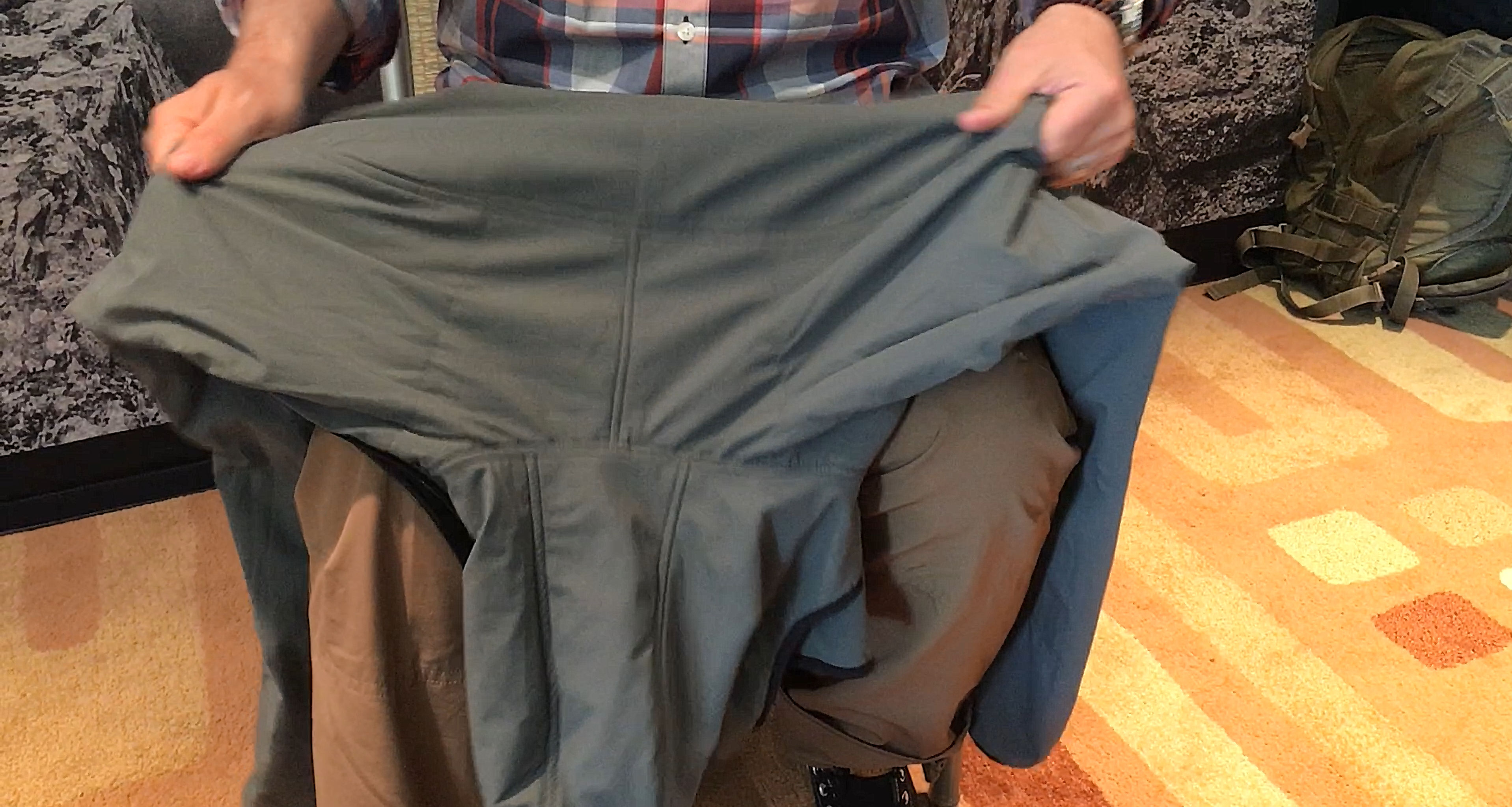
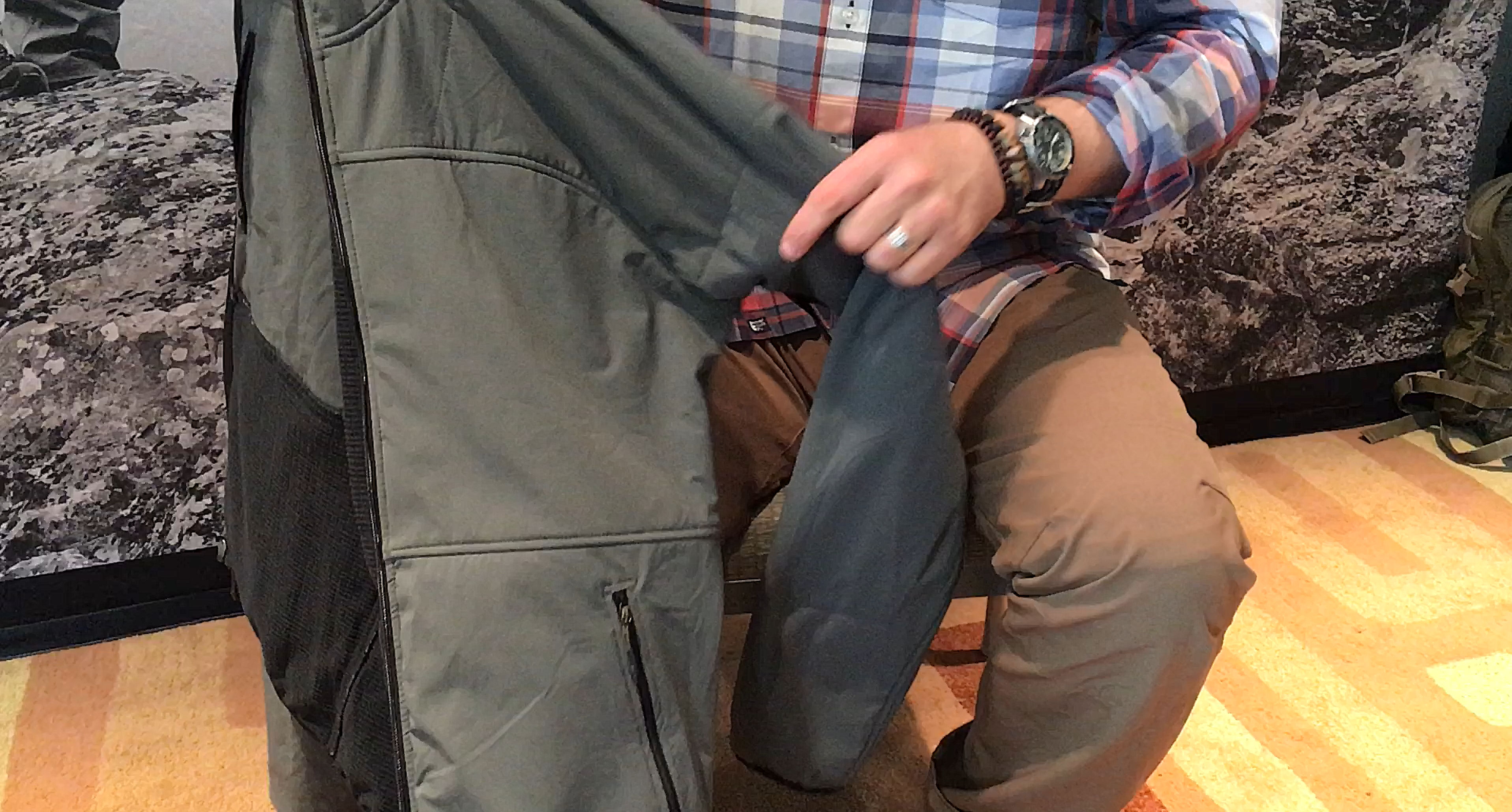
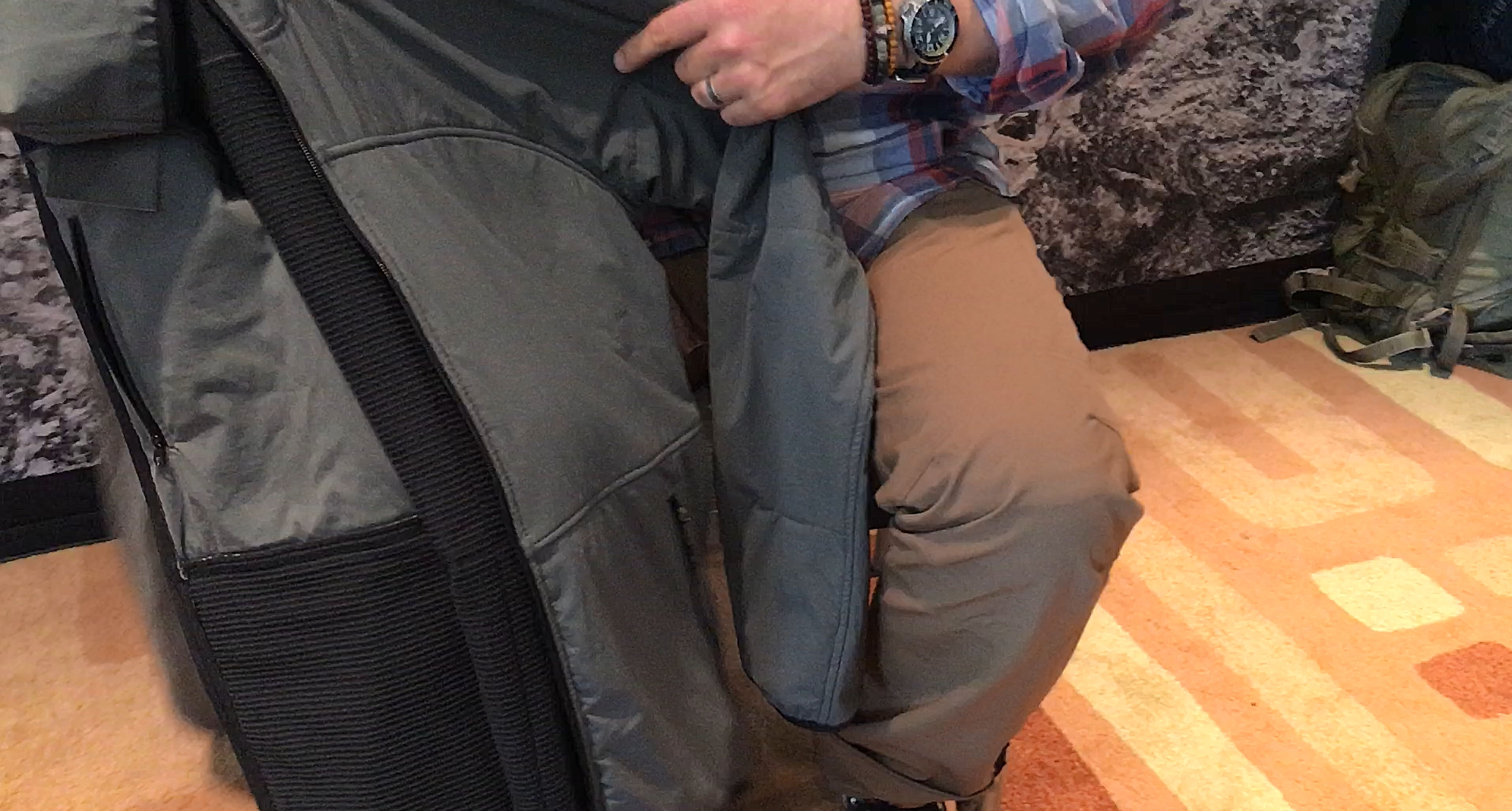
Beyond Clothing has a very interesting 4-way stretch insulated softshell jacket called the Stretch Alpha Sweater (or, Alpha Stretch Sweater), and its as good an example of an insulated softshell that DefenseReview (DR) has seen. We actually got to see and handle it at Special Operations Industy Conference (SOFIC) 2017, and came away both intrigued and impressed, especially since we really liked the jacket’s visual design aesthetic, its Manatee Grey (or Gray) color scheme, and its use of premium performance materials like Tweave 4-way stretch fabric, and lightweight Polartech Alpha and possibly also Polartec Power Dry insulation–we’re not quite sure. The product web page says Polartec Alpha, but company rep Rick Elder also mentioned Polartec Power Dry in our video below.
Regardless, this jacket is all premium, and looks like a real luxury in cold environments, especially when you’re engaged in serious activity.
The Beyond Stretch Alpha Sweater currently comes in Grey, Navy and Ranger Green color schemes, and is currently priced at $325.00 USD. Not inexpensive, but also not crazy expensive. This jacket looks and sounds like it’s expensive to make, and appears to DR be a good value for the money.
Defense Review would obviously like to get our hands on one of these for ourselves at some point, as it’s really warm and comfy, not to mention good looking and utilitarian.
Anyway, here are the more detailed particulars on the Stretch Alpha Sweater from the Beyond Clothing page on it:
“A5 – STRETCH ALPHA SWEATER
The perfect garment for active use in cold, wet environments. The Stretch Alpha Sweater combines the warmth and moisture transport of an insulating layer with the durability and mobility of a softshell. The jacket is built out of three layers; starting with a grid fleece that pulls moisture away from the body towards a layer of Polartec® Alpha® Insulation. The Alpha® Insulation traps and retains body heat while continuing to transport moisture to the outer shell where moisture spreads and evaporates. The final layer is a flexible 4-way stretch woven fabric that is highly durable and protects you from the wind and rain. Wear the Stretch Alpha Sweater if you need to stay warm, dry, and protected while on the move.
Details:
Insulated hood
Front zip
Internal left chest pocket
Hand pockets
Materials:
Polartec® Alpha® Insulation – 60g
Polartec® Power Grid® Fleece
Tweave® Durastretch® Nylon with DWR
Benefits:
Breathable
Highly Durable
Water-Resistant
Wind-Resistant
Stretch Construction
Weight: 21.9 oz.
Țesături transparente vizibile și opace pentru infraroșu care poate fi purtată pentru gestionarea termică personală .Țesături transparente vizibile și opace cu infraroșu care asigură o răcire pasivă prin transmiterea radiațiilor termice emise de corpul uman direct în mediul înconjurător.Tehnicile personale de răcire controlează la nivel local temperatura unei persoane.
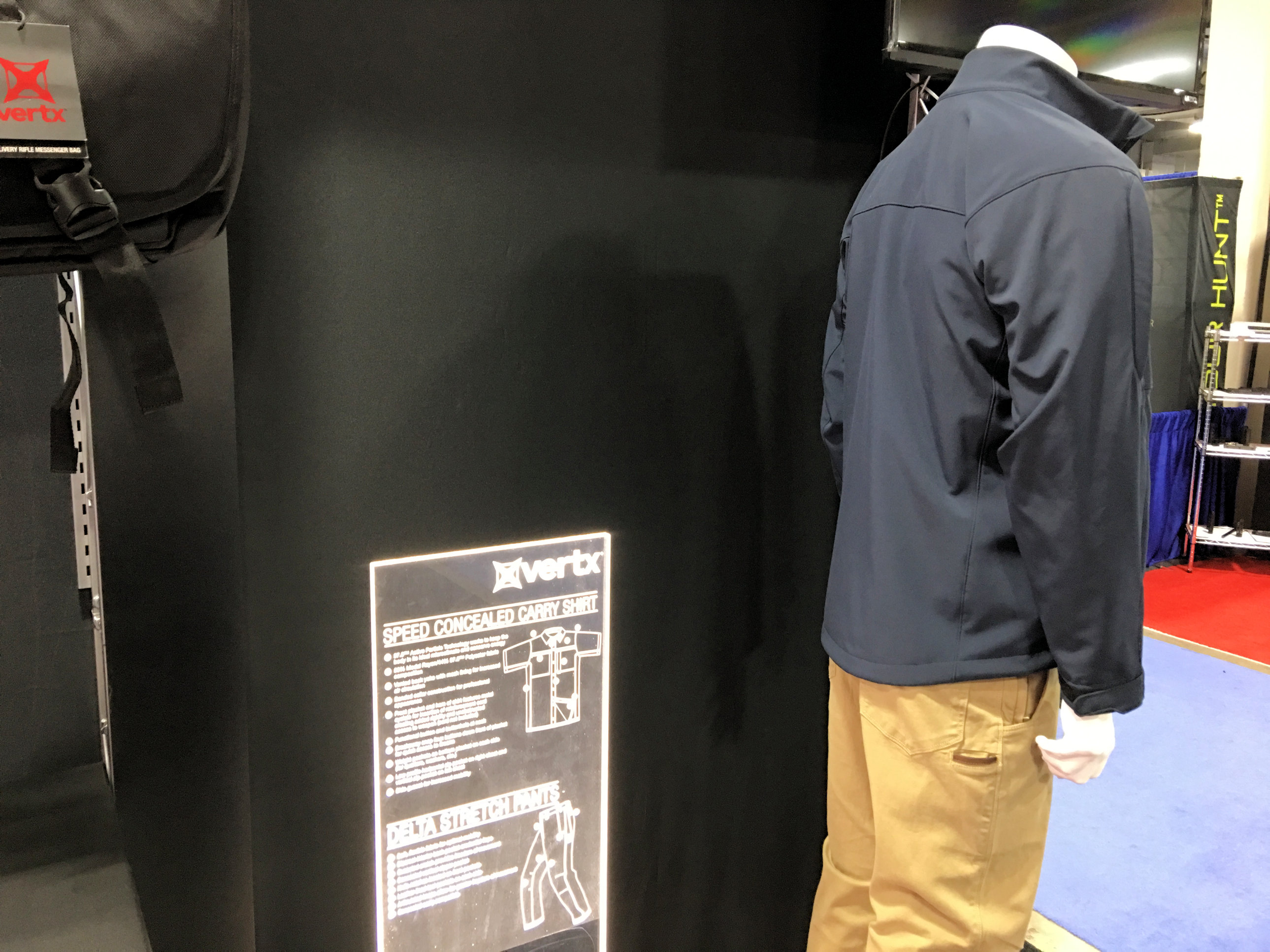
În al doilea rând, utilizează o căptușeală din poliester „alimentat de [Cocona] 37.5® Active Particle Technology”, o țesătură tehnică cu particule de carbon, pe care Vertx a rebrandat-o ca VaporCore ™. Catchy. Țesătura de particule de carbon 37,5 / VaporCore are un efect de refacere a mirosului, blocare a mirosului și reflexie IR (infraroșu), astfel încât să vă mențină mai rece și mai uscat, să vă păstrați mirosul mai bine și, de fapt, purtați-o, deoarece reflectă energia IR a corpului dumneavoastră înapoi în voi
Vertx Downrange Soft Shell Jacket: Lo-Pro/Lo-Vis Combat/Tactical Jacket with with VaporCore Moisture-Wicking and Infrared (IR) Energy-Reflecting Fabric Tech for Concealed Carry (CCW) and Urban Combat/Tactical Ops! (Video!)
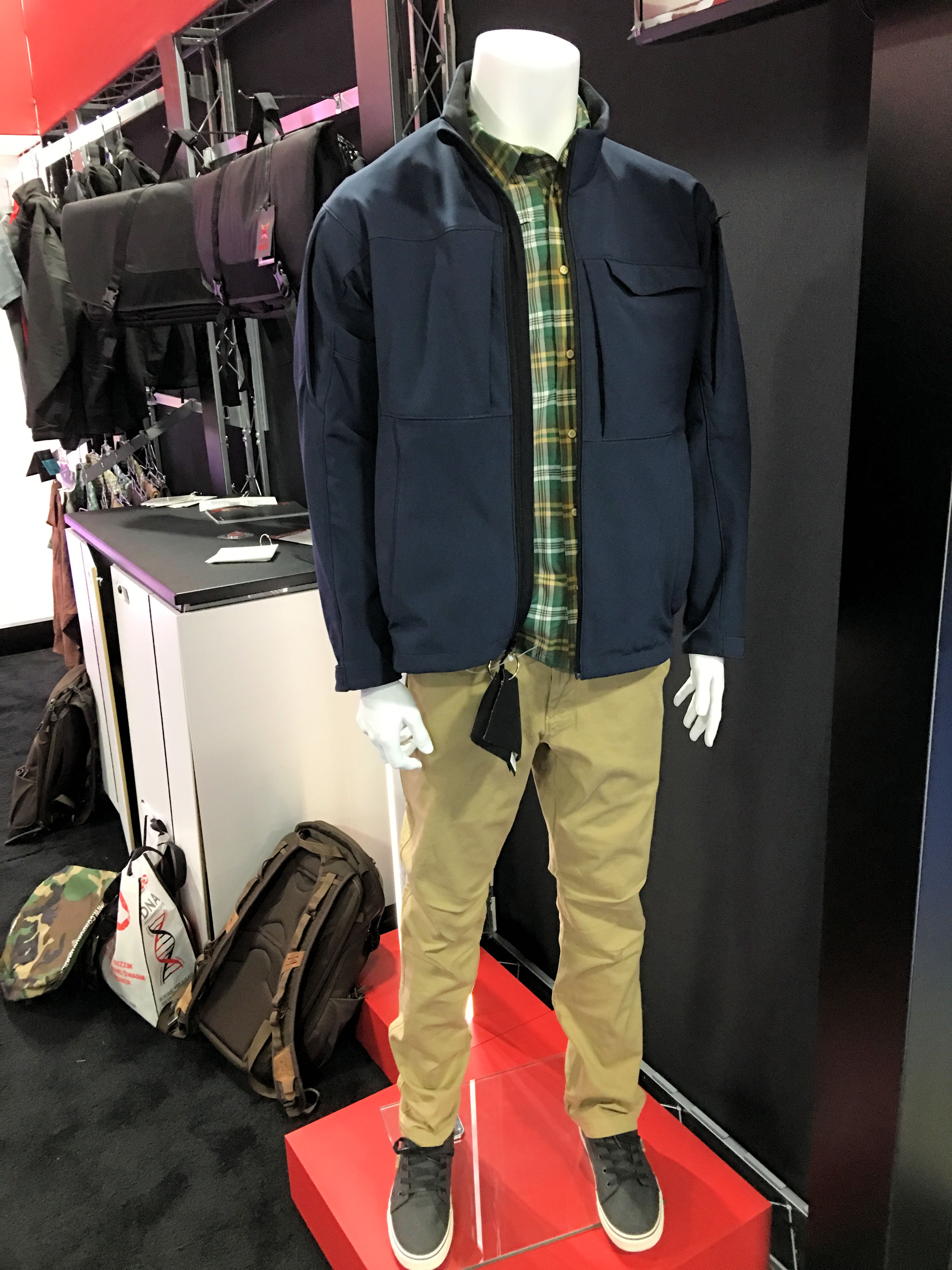
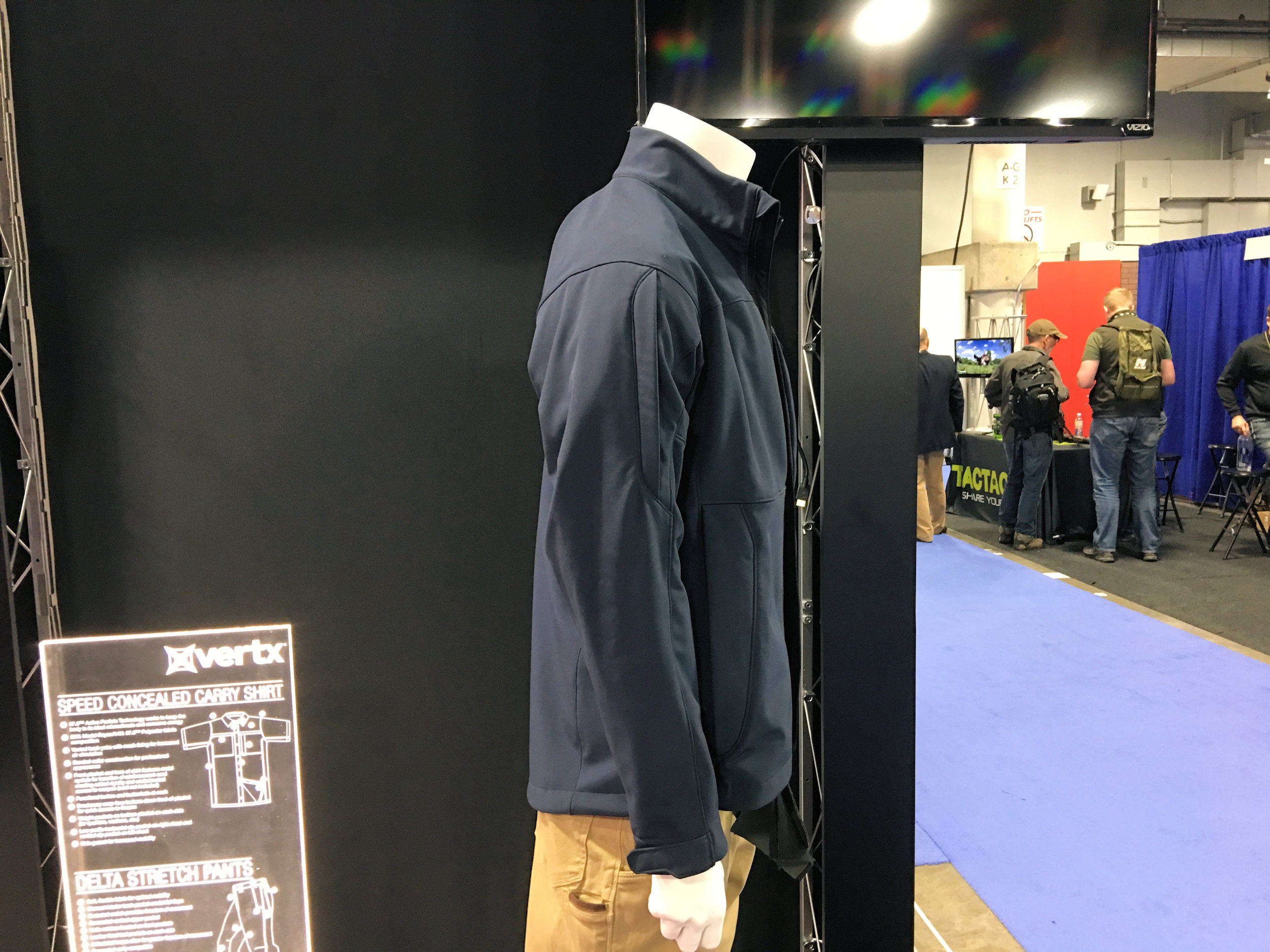
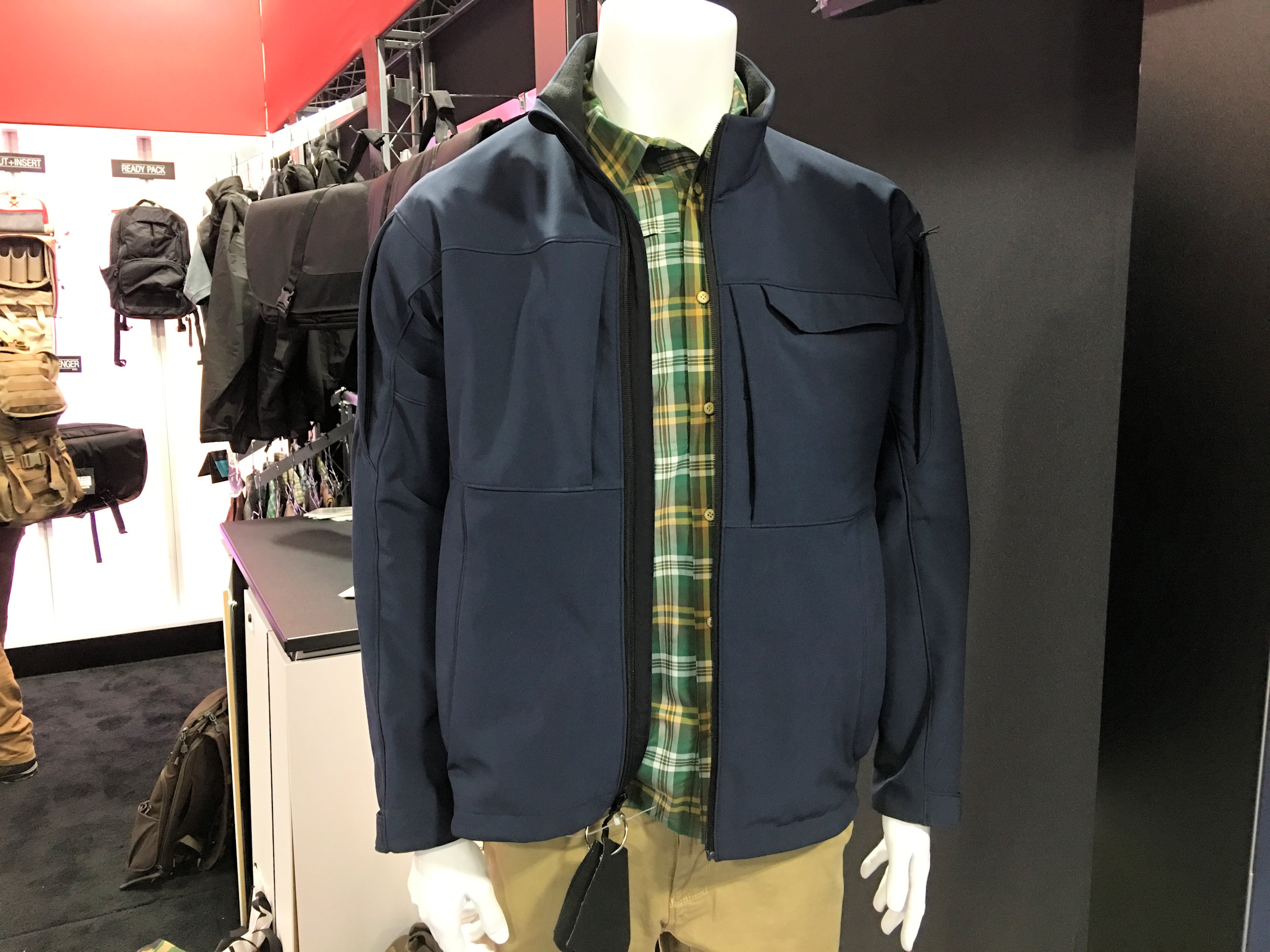
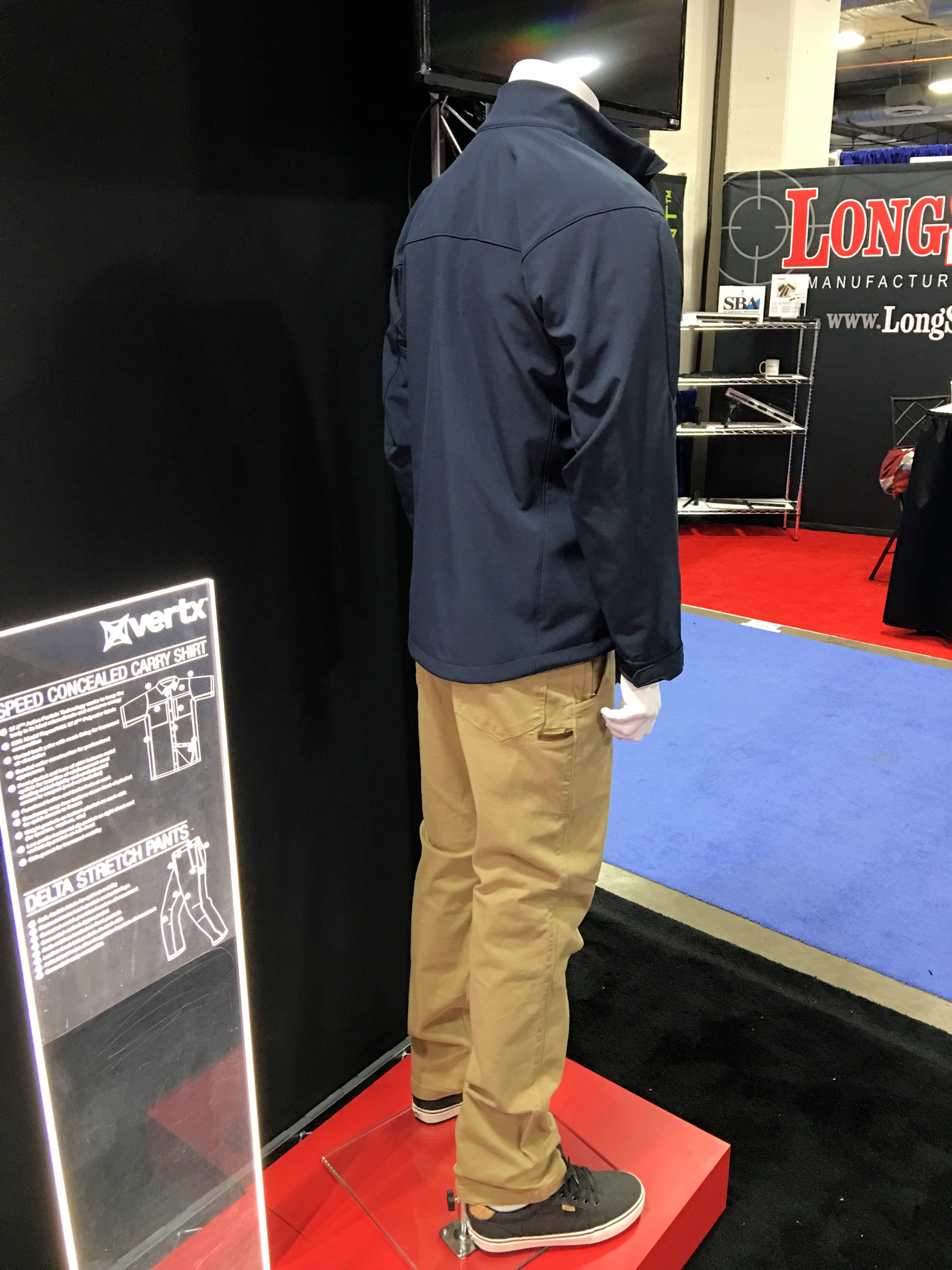
We here at DefenseReview (DR) DO like our technical clothing, and in that spirit, Vertx is making a very cool lo-pro/lo-vis (low-profile/low-visibility) softshell combat/tactical jacket for concealed carry (CCW) called the Vertx Downrange Soft Shell Jacket, and just about every aspect of it is pretty interesting. First, the jacket just looks good, with a minimalist, utilitarian non-“tactical” visual design aesthetic. It basically looks like a very modern high-tech performance technical jacket designed for conquering the outdoors, an adventure jacket, if you will, and it looks expensive, even though it really isn’t for what you’re getting. Second, it utilizes a polyester lining “powered by [Cocona] 37.5® Active Particle Technology” carbon-particle technical fabric that Vertx has rebranded as VaporCore™. Catchy. The 37.5/VaporCore carbon-particle fabric is mosture-wicking, odor-blocking, and IR (Infrared)-reflective, so it keeps you cooler and drier, keeps you smelling better, and, in effect, re-engergizes you while you’re wearing it, as it reflects your body’s IR energy back into you. Pretty cool.
Third, the Downrange Soft Shell Jacket’s outer softshell fabric is both water-repellant and 4-way stretch for additional utility, comfort and freedom of movement. Fourth, there’s lots of pockets both inside and outside. The external chest and arm pockets are covered/recessed under folds and flaps for a non-snag slick outer profile. And, as if all that’s not enough, the Downrange Soft Shell Jacket comes in some really great colors, including Shadow Grey, Bering Blue, Burnt Ash, and Slate Grey.
DR got a chance to see the Bering Blue variant of the Vertx Down Range Softshell Jacket at SHOT Show 2017, and we really liked the color, both from a pure aesthetic aspect, and because it’s non-“tactical”. However, we also particularly like the Burnt Ash color scheme, as it looks like a nice mix between grey and olive drab (OD) green. We can’t wait to see that color in person.
Defense Review digs this jacket–oh, and it’s currently on sale (as of this writing)!
The following information comes directly from the Vertx website:
“DOWNRANGE SOFT SHELL JACKET
An essential asset to the prepared professional
The Vertx® Downrange Softshell Jacket is an essential asset to the prepared professional whether in a training or operational environment. As functional as it is technical, the jacket provides 7 external pockets and 1 internal chest pocket for ample storage capacity. The polyester shell provides excellent water repellency, while the inclusion of spandex material and gusseted side panels allows freedom of movement. The polyester lining features VaporCore™, powered by 37.5® Active Particle Technology, which maintains your core body temperature allowing you to perform better, longer.
$154.95 $179.95
Specifications:
1 | Two strategically placed bicep pockets for ease of access
2 | Fleece lined hand pockets with zipper closures
3 | Snap-button chest pocket with flap for quick access to small items
4 | Two vertical zippered chest pockets for secure storage
5 | Internal left chest pocket with zipper closure
6 | Elongated tail for better back coverage while active
7 | Gusseted side panels for freedom of movement
8 | Drawcord adjustments hidden in hand pockets
9 | Adjustable Velcro cuff tabs
10 | Fleece lined interior for warmth
11 | Water repellent shell”
oamenii de știință au explorat noi straturi de acoperire care pot respinge apa. Acum, o echipă a dezvoltat o cale de a direcționa unde se duce apa când este împins.
Posted: Dec 13, 2017
Creating surfaces that repel water and control its flow
(Nanowerk News) To prevent water and ice from making our shoes soggy, frosting our car windows and weighing down power lines with icicles, scientists have been exploring new coatings that can repel water. Now one team has developed a way to direct where the water goes when it’s pushed away.
Repelling water droplets and controlling their flow depends on water maintaining its spherical shape.
Water-repelling, or superhyrdophobic, materials are already commercially available. But when blown by wind or subjected to a slight tilt, the water droplets on these surfaces will glide away in a direction determined by the initial nudge. To gain better control over the flow of water on superhydrophobic materials, scientists have been etching paths into coatings for the liquid to follow. And although water will take the designated path, it can leave behind a wet trail.
Previous studies suggest that on these paths, rolling droplets have a different contact angle at the front and back– they’re rounded in front but flatter in the back – and this causes the wet residue. Thomas McCarthy and colleagues wanted to address this shortcoming by aiming for more rounded droplets.
The researchers started with superhydrophobic silicon wafers, in which they cut straight, circular and wavy tracks using photolithography. Then they exposed the material to an oxygen plasma cleaner and treated it with a vapor of silicone nanofilaments to make the tracks hydrophobic. This novel step was critical for keeping water droplets’ spherical shape and minimizing the difference in the front and back contact angles.
Testing showed that water flowed along the designated paths without leaving a trace. Watch this Headline Science video to see how the material works.
Abilitatea grafenului de a adăuga funcționalitatea obiectelor obișnuite a fost exploatată într-un produs nou de pe piață: încălțăminte cu proprietăți termice mai bune oferă încălțămintei o mai bună termoreglare și prospețime..În acest pantof inovator, când se adaugă fulgi de mai multe straturi de grafen pe poliuretan (materialul din care sunt fabricate tălpile de încălțăminte FADEL), testele de laborator arată o dispersie de căldură mărită, o impermeabilitate sporită și proprietăți antibacteriene îmbunătățite
Posted: Nov 01, 2017
Graphene enables footwear with better thermal properties
(Nanowerk News) The ability of graphene to add functionality to common objects has been exploited in a new product on the market: footwear with better thermal properties. Developed by Graphene Flagship partners Istituto Italiano di Tecnologia, Italy, in collaboration with FADEL, a leading Italian shoe company based in Tuscany, the new GET® technology, patented by FADEL, gives the footwear better thermoregulation and freshness.
In this innovative shoe, when flakes consisting of several graphene layers are added to polyurethane, (the material of which the soles of FADEL shoes are made), laboratory tests show an augmented heat dispersion, a greater waterproofness and enhanced antibacterial properties. Combining these effects with a ventilation system developed for this particular type of shoe saw a better user experience. This prototype shoe was presented at the International Footwear Exhibition in Milan.
This is the graphene shoe developed by Graphene Flagship partners IIT and FADEL. (Image: The Graphene Flagship)
‘One of the main properties of graphene is its ability to dissipate heat, so we began to think of combining graphene produced by liquid phase exfoliation, which produces large quantities of graphene at a low price, into polyurethane – the material used for the sole of the shoe. This created a composite with a heat dissipation 50% better than the pure polyurethane material.’ said Vittorio Pellegrini, Director of IIT Graphene Labs and Chair of the Executive Board of the Graphene Flagship. ‘We improved the thermal properties with a tiny amount of graphene (around 1%) which is significant in delivering a product whose cost is not significantly larger than before.’
Once the researchers at IIT Graphene Labs had optimised the way in which graphene was incorporated into the polystyrene the graphene production was realised by BeDimensional s.r.l., IIT’s start-up company and Graphene Flagship Associate Member, whose core activity is the development of new composites based on graphene and related materials to be applied in the manufacturing sector.
‘The Graphene Flagship is a strong accelerator of knowledge, knowhow and technology transfer.’ said Pellegrini ‘Without the Flagship this shoe would have taken many years to develop. We benefitted greatly from the ability to share our results and get ideas from other scientists through the Flagship’.
Dr Kari Hjelt, Head of Innovation for the Graphene Flagship said ‘We continue to witness the potential of graphene-based technologies to create market disruptions and transformational innovations. Graphene’s unique capability to enhance multiple product attributes concurrently can create a competitive edge for many products, as is nicely demonstrated in the present case.’
Professor Andrea C. Ferrari, Science and Technology Officer of the Graphene Flagship, and Chair of its Management Panel, added ‘This is yet another example of the steady journey of graphene and related materials from the lab to the factory floor. With an ever increasing number of companies working as partners or associate members of the Flagship, the Flagship is not only pushing the state of the art of graphene and related materials’ science and technology, but is also driving the innovation’.