Încurajarea polimerilor cu nanoparticule(Toughening up polymers with nanoparticles)

Acum, Chaobin He, Beng Hoon Tan și colegii de la Institutul de Materiale de Cercetare și Inginerie A Singapore, Singapore, raportează intensitatea crescută a PLA, menținând în același timp rezistența și modulul materialului prin adăugarea nanoparticulelor core-shell ca o umplutură. Nanoparticulele au miezuri de silice cu lanțuri de cauciuc legate covalent la silice și acid poli (acid D-lactic) (PDLA) grefat pe cochilia exterioară. Acești pași secvențiali s-au realizat prin utilizarea unei tehnici numite „polimerizare cu deschiderea inelului”.

Posted: Oct 04, 2018

Toughening up polymers with nanoparticles

(Nanowerk News) A*STAR researchers have toughened up polylactic acid while maintaining its elasticity by adding core-shell nanoparticles as a filler (Composites Science and Technology, „Biodegradable silica rubber core-shell nanoparticles and their stereocomplex for efficient PLA toughening”).

Polylactic acid (PLA) is a biodegradable and highly biocompatible polymer with good thermal processibility, which has found widespread use in biomedical applications and as a packaging material. However, it is brittle and has poor mechanical stability, so it is often modified by adding reinforcing polymers and by incorporating different polymerization methods. Unfortunately, these modifications also reduce the material’s strength and elastic modulus, which limits its applications.
Now, Chaobin He, Beng Hoon Tan and colleagues at the A*STAR Institute of Materials Research and Engineering, Singapore, report the increased toughness of PLA, while maintaining the strength and modulus of the material, by the addition of core-shell nanoparticles as a filler. The nanoparticles have silica cores with rubber chains covalently linked to the silica, and poly(D-lactic acid) (PDLA) grafted onto the outer shell. These sequential steps were realized by using a technique called ‘ring opening polymerization’.
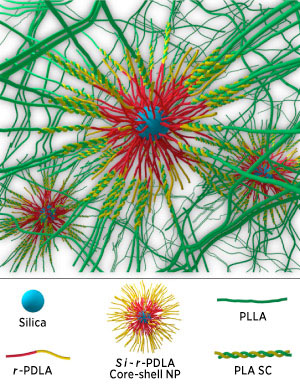
Polymeric nanocomposites comprising poly(lactic acid) with nanoparticles of silica-rubber-poly(D-lactic acid)
Polymeric nanocomposites comprising poly(lactic acid) with nanoparticles of silica-rubber-poly(D-lactic acid).
On addition of the nanoparticles to a poly(L-lactic acid) (PLLA) matrix using a solution blending process, a complex forms between the pendant PDLA chains and the PLLA matrix. Interestingly, thermal analysis of the polymer nanocomposite indicates that the material reassembles perfectly after recrystallization from the melt. This melt memory effect is considerably enhanced by the incorporation of rubber chains in the nanoparticles.
„The presence of silica-rubber-PDLA nanoparticles in the PLA matrix and its complex formation with PLLA provide stress relief and bridging effects during deformation, thus improving toughness without sacrificing strength and modulus,” says He.
The increased facile stress relief is probably due to the ability of rubber to act as a stress concentrator during plastic deformation. From microscopic analysis of the polymer nanocomposite, the deformation mechanisms of the material were identified as ‘crazing’, which involves the formation of microvoids in the material, and fibrillation at sites of local plastic deformation.
“The large scale production of PLA from renewable resources makes our environmentally-friendly material a promising candidate to replace petroleum-based thermoplastics,” says He. “While our approach has significantly overcome the shortcomings of pure PLA, such as brittleness and poor mechanical stability, further optimization of materials and process as well as enhancement in the nanoparticles-polymer matrix compatibility needs to be carried out.”
“The ability to toughen PLA with the addition of these silica-rubber-PLA nanoparticles will pave the way for further development of sustainable polymers for wider applications, example, consumer electronics, automotive and packaging,” concludes He.
The A*STAR-affiliated researchers contributing to this research are from the Institute of Materials Research and Engineering.
Source: A*STAR

Chimistii dezvolta un material foarte poros, mai pretios decat diamantele(Chemists develop highly porous material, more precious than diamonds)

Porozitatea este cheia materialelor de înaltă performanță pentru sistemele de stocare a energiei, tehnologii de mediu sau catalizatori: cu cât materialul este mai poros, cu atât mai multe lichide și gaze poate fi stocat. Cu toate acestea, o multitudine de pori destabilizează materialul.În cadrul Unității de Cercetare DFG FOR2433, prof. Kaskel și partenerii lucrează intens pe producerea de noi materiale poroase care își pot schimba structurile dinamic și ajustând adaptiv dimensiunile porilor.

Posted: Oct 01, 2018

Chemists develop highly porous material, more precious than diamonds

(Nanowerk News) Porosity is the key to high-performance materials for energy storage systems, environmental technologies or catalysts: The more porous a solid state material is, the more liquids and gases it is able to store. However, a multitude of pores destabilizes the material.

In search of the stability limits of such frameworks, researchers of the TU Dresden’s Faculty of Chemistry broke a world record: DUT-60 is a new crystalline framework with the world’s highest specific surface and the highest specific pore volume (5.02 cm3g-1) measured so far among all known crystalline framework materials (Angewandte Chemie, „Balancing Mechanical Stability and Ultrahigh Porosity in Crystalline Framework Materials”).
The framework of DUT-60
The framework of DUT-60 holds a pore volume of 5.02 cm3g-1 – the highest specific pore volume one has ever measured among all crystalline framework materials so far. (Image: I. Senkovska, TU Dresden)
The specific surface area describes the sum of all surface boundaries a material has: the outer visible ones as well as the inner pores. 90.3% of DUT-60 is free volume. The metal-organic framework (MOF) can adsorb huge amounts of gas – and in that way it is able to store colossal quantities of gases or filter toxic gases from the air.
“Materials with specific surfaces as high as these could show new and unexpected phenomena,” explains Stefan Kaskel, Professor of Inorganic Chemistry at TU Dresden, the new material’s importance for science. “If you imagine the inner surface of one gram of zeolite as an even, plane area, it would cover about 800 square metres, graphene would make it up to almost 3000 square metres. One gram of DUT-60 would attain an area of 7800 square metres.”
The material was developed by computational methods and synthesized subsequently. There are only few compounds of low density that are mechanically stable enough to be accessible for gases without their surfaces being destroyed.
“It took us five years from the computational development to the pure product DUT-60,” resumes Prof. Kaskel. “Due to its very complicated production, the material is more expensive than gold and diamonds and so far can be only synthesized in small quantities of maximum 50 milligram per batch.”
The former world record was held by the material NU-110 published by Omar Farha, Northwestern University, in 2012: Its pore volume of 4.40 cm3g-1 is significantly lower than the new record holder. DUT-60 marks an important step in the investigation of the upper limits of porosity in crystalline porous materials, and stimulates the development of new methods to determine inner surfaces.
Within the DFG Research Unit FOR2433, Prof. Kaskel and partners are working intensively on the production of new porous materials that can change their structures dynamically and adaptively adjust their pore sizes.
“Moreover, we are working on applications of porous materials within the fields of gas storage, environmental research, catalysis, batteries and air filtration. Here in Dresden, we are also producing metal organic frameworks on a scale of several kilograms. They can be ordered at the Materials Center Dresden.”
Source: Technical University of Dresden

Compozitul reduce semnificativ poluarea electromagnetică(Composite significantly reduces electromagnetic pollution)

un grup de cercetători de la Universitatea de Științe și Tehnologie din Anhui au sintetizat compozite de ferită PANI / Zn care au demonstrat o absorbție excelentă în microunde performanţă.
Cum de a reduce poluarea electromagnetică? Cum aceste materiale atenuează undele electromagnetice? Un grup de cercetători de la Școala de Inginerie Chimică de la Universitatea de Știință și Tehnologie din Anhui au sintetizat compozite Fe ferite / PANI ca absorbanți eficienți în microunde pentru a reduce sau elimina poluarea cu microunde.

Posted: Sep 28, 2018

Composite significantly reduces electromagnetic pollution

(Nanowerk News) In a paper published in NANO („Structure and Microwave Absorption Properties of Polyaniline/Zn Ferrite Composites”), a group of researchers from Anhui University of Science and Technology have synthesized PANI/Zn ferrite composites which have shown excellent microwave absorption performance.

How to reduce electromagnetic pollution? How do these materials attenuate electromagnetic waves? A group of researchers from the School of Chemical Engineering at Anhui University of Science and Technology have synthesized Fe ferrite/PANI composites as efficient microwave absorbers to reduce or eliminate microwave pollution.
A schematic diagram of phase cancellation and microwave attenuation process
A schematic diagram of phase cancellation and microwave attenuation process. The fluffy structure of PANI/Fe ferrite composite can highly increase the transmission path of microwave, and the multiple reflections can enhance the microwave attenuation efficiency of the absorber. Thus, the microwave attenuation capability of PANI/Zn ferrite composites mainly comes from the enhanced effect of fluffy structure, multiple reflections, interfacial polarization, magnetic loss and dielectric loss. Moreover, if the relationship between the coating thickness and the frequency of incident microwaves matched well with the quarter-wave thickness criteria, the incident microwaves would vertically enter the absorber inside, as shown in this figure. (Image: Honglong Xing)
PANI/Zn ferrite composites were synthesized by a two-step hydrothermal and in-situ polymerization method. Zn ferrite was used to adjust the impedance matching and improve PANI magnetic loss capability. The synergy of fluffy structure, dielectric loss, magnetic loss, interfacial polarization and phase cancellation effect lead to the attenuation of microwave energy.
Furthermore, the fluffy structure enhanced the microwave transmission path and attenuation efficiency. These factors make this composite a good microwave absorber and an ideal material in the electromagnetic wave absorption field.
Microwave absorption materials with reflection loss (RL) values less than -10 dB represent that 90% of microwave was absorbed. The minimum RL values of this composite can reach -54.4 dB with coating thickness of 1.4 mm. The bandwidth about RL below -10 dB was 4.8 GHz at 1.6 mm. The excellent microwave absorption performance of PANI/Zn ferrite composites suggested that it can be used as an excellent absorber with thin coating thickness, strong absorption and broad bandwidth.
Microwave absorption materials have been studied by many workers to reduce or eliminate microwave pollution. Because of rapid popularity and development of electronic devices, especially mobile phones, computers and wireless routers, microwave pollution has been intensified in recent years. These materials have great potential applications in information security, healthcare, electronic countermeasures and so on.
The functional materials of PANI/Fe ferrite with lightweight, thin coating thickness, high efficiency and broadband absorption properties are also easy to synthesize, which is beneficial to industrial mass production.
Source: World Scientific

Stiinta din spatele celui mai usor ceas de grafina din lume a dezvaluit(Science behind world’s lightest graphene watch revealed)

Cantitatea mică de grafen utilizat a fost adăugată la un compozit cu fibră de carbon cu scopul de a îmbunătăți rigiditatea și de a reduce greutatea prin utilizarea unui material mai puțin general. Deoarece grafenul are un nivel ridicat de rigiditate și rezistență, utilizarea acestuia ca armătură în compozitele polimerice prezintă un potențial imens de îmbunătățire a proprietăților mecanice ale compozitelor.

Posted: Aug 29, 2018

Science behind world’s lightest graphene watch revealed

(Nanowerk News) In January 2017 the world’s lightest mechanical chronograph watch was unveiled in Geneva, Switzerland, showcasing innovative composite development by using graphene. Now the research behind the project has been published. The unique precision-engineered watch was a result of collaboration between The University of Manchester, Richard Mille Watches and McLaren Applied Technologies.

The RM 50-03 watch was made using a unique composite incorporating graphene to manufacture a strong but lightweight new case to house the watch mechanism which weighed just 40 grams in total, including the strap.
The RM 50-03 watch
The RM 50-03 watch.
The collaboration was an exercise in engineering excellence, exploring the methods of correctly aligning graphene within a composite to make the most of the two-dimensional materials superlative properties of mechanical stiffness and strength whilst negating the need for the addition of other, weightier materials.
Now the research behind this unique watch has been published in the journal, Composites Part A: Applied Science and Manufacturing („Realising the Theoretical Stiffness of Graphene in Composites through confinement between Carbon Fibres”). The work was primarily carried out by a group of researchers at The University of Manchester’s National Graphene Institute.
Leading the research Professor Robert Young said: “In this work, through the addition of only a small amount of graphene into the matrix, the mechanical properties of a unidirectionally-reinforced carbon fibre composite have been significantly enhanced.
“This could have future impact on precision-engineering industries where strength, stiffness and product weight are key concerns such in as aerospace and automotive.”
The small amount of graphene used was added to a carbon fibre composite with the goal of improving stiffness and reducing weight by requiring the use of less overall material. Since graphene has high levels of stiffness and strength, its use as a reinforcement in polymer composites shows huge potential of further enhancing the mechanical properties of composites.
The final results were achieved with only a 2% weight fraction of graphene added to the epoxy resin. The resulting composite with graphene and carbon fibre was then analysed by tensile testing and the mechanisms were revealed primarily by using Raman spectroscopy and X-ray CT scans.
The benefits of this research demonstrate a simple method which can be incorporated into existing industrial processes, allowing for engineering industries to benefit from graphene mechanical properties, such as the manufacture of airplane wings or the body work of high-performance cars.
The research group discovered that when comparing with a carbon fibre equivalent specimen, the addition of graphene significantly improved the tensile stiffness and strength. This occurred when the graphene was dispersed through the material and aligned in in the fibre direction.
Dr Zheling Li, a University of Manchester Research Associate said: „This study presents a way of increasing the axial stiffness and strength of composites by simple conventional processing methods, and clarifying the mechanisms that lead to this reinforcement.”
Aurèle Vuilleumier R&D Manager at Richard Mille said: “This project is a perfect example of technology transfer from the university to the product. The partnership with McLaren Applied Technologies allows a broad diffusion of graphene-enhanced composites in the industry. As a tangible result, a world record light and strong watch was available for our customers: the RM 50-03.”
Dr Broderick Coburn, Senior Mechanical Design Engineer at McLaren Applied Technologies said: “The potential of graphene to enhance composites’ structural properties has been known and demonstrated at a lab-scale for some time now. This application, although niche, is a great example of those structural benefits making it through to a prepreg material, and then into an actual product.”
The University of Manchester will soon be celebrating the opening of its second world-class graphene facility, the Graphene Engineering Innovation Centre (GEIC), set-to open later this year. The GEIC will allow industry to work alongside academic expertise to translate research into prototypes and pilot production and accelerate the commercialisation of graphene.
Source: University of Manchester

Reducerea fricțiunii cu un material de carbon de tip ceapă(Reducing friction with an onion-like carbon material)

În 2015, o echipă de la Argonne National Laboratory a creat un material cu super-lubricitate (aproape zero la frecare) la scară inginerească. Materialul conține grafen și diamante extrem de mici. Echipa a înlocuit grafenul cu disulfură de molibden. Disulfura de molibden provoacă o reacție care transformă diamantele în carbon de tip ceapă.Materialul este un lubrifiant auto-generat, care se reglează continuu, determinându-l să dureze mai mult decât lubrifianții tradiționali uscați

Posted: Aug 27, 2018

Reducing friction with an onion-like carbon material

(Nanowerk News) In 2015, a team from Argonne National Laboratory created a material with superlubricity (near-zero friction) at engineering scale. The material contained graphene and extremely small diamonds. The team replaced the graphene with molybdenum disulfide. The molybdenum disulfide causes a reaction that turns the diamonds into onion-like carbon.

The result? A self-generating, very low friction dry lubricant. As an added bonus, the material lasts much longer than other solid lubricants.
Atomistic simulations of the chemical mechanism leading to reduced friction
Atomistic simulations of the chemical mechanism leading to reduced friction. a–d: Atomic snapshots from simulations at selected times during the sulfur- (S-) induced amorphization of diamond nanoparticles. e–h: Atomic snapshots from simulations at selected times during the formation of onion-like carbon structures. (Image: Badri Narayanan and Subramanian Sankaranarayanan, Argonne National Laboratory)
Superlubricity—a state in which friction essentially disappears—is a highly desirable property. Automobiles and other mechanical assemblies lose efficiency and wear down due to friction. Scientists developed a new material that achieves superlubricity in dry environments. Potential uses include wind turbine gears, magnetic disc drives in computers, and rotating seals. Argonne National Laboratory has three patents on the superlubricity technology. They have a patent pending on the latest breakthrough. It will soon be available for licensing.
In 2015, a multidisciplinary team from Argonne National Laboratory created a material consisting of graphene, nanodiamond particles, and diamond-like carbon that demonstrated superlubricity at the macroscale for the first time. To inform the design of the material, the researchers coupled laboratory experiments at Argonne’s Tribology Laboratory and Center for Nanoscale Materials (CNM) with large-scale molecular dynamics simulations performed at the Argonne Leadership Computing Facility (ALCF) and the National Energy Research Scientific Computing Center (NERSC).
The team has continued to further develop this lubricant technology. Most recently, they replaced the graphene with molybdenum disulfide to explore the impact of using other two-dimensional materials.
In addition to performing detailed experimental investigations of the new material, the researchers carried out simulations on the ALCF’s Mira supercomputer to elucidate its behavior at the nanoscale. Using the LAMMPS (Large-scale Atomic/Molecular Massively Parallel Simulator) code, the team’s large-scale atomistic simulations revealed molecular insights into a mechanical stress-induced tribochemical reaction that led to superlubricity.
They found that the molybdenum disulfide was breaking up into molybdenum and sulfur and reacting with the nanodiamonds to convert them into onion-like carbon structures, which consist of several layers of spherical graphitic shells that can be used as a dry lubricant.
The material is a self-generating lubricant that re-adjusts itself continuously, causing it to last longer than traditional dry lubricants. The team published their findings in Nature Communications.
To enable the computationally demanding molecular dynamics simulations, ALCF staff collaborated with IBM, Lawrence Berkeley National Laboratory, and Sandia National Laboratories to optimize the performance of LAMMPS for Mira and other many-core architectures.

References

D. Berman, B. Narayanan, M.J. Cherukara, S.K.R.S. Sankaranarayanan, A. Erdemir, A. Zinovev, and A.V. Sumant, “Operando tribochemical formation of onion-like-carbon leads to macroscale superlubricity.” Nature Communications 9, 1164 (2018). [DOI: 10.1038/s41467-018-03549-6]
H.M. Aktulga, C. Knight, P. Coffman, K.A. O’Hearn, T.R. Shan, and W. Jiang, “Optimizing the performance of reactive molecular dynamics simulations for many-core architectures.” The International Journal of High Performance Computing Applications (2018). [DOI: 10.1177/1094342017746221]
Source: U.S. Department of Energy, Office of Science

Cercetătorii dezvoltă un proces nou pentru grafenul 3D(Researchers develop novel process to 3D-print graphene)

Anterior, cercetătorii ar fi putut tipări acest material, cunoscut sub numele de grafen, în foi 2D sau structuri de bază. Însă inginerii Virginia Tech au colaborat acum la un proiect care le permite să tipărească 3D obiecte grafene la o rezoluție cu un ordin de mărime mai mare decât oricând, imprimând astfel posibilitatea de a crea teoretic orice dimensiune sau formă de grafen.Grafenul este un singur strat de atomi de carbon, organizat într-o rețea hexagonală. Atunci când foile de grafen sunt stivuite cu precizie unul peste celălalt și formate într-o formă tridimensională, devine grafit, cunoscut sub numele de „plumb” în creioane.

Posted: Aug 23, 2018

Researchers develop novel process to 3D-print graphene

(Nanowerk News) Researchers from Virginia Tech and Lawrence Livermore National Laboratory have developed a novel way to 3D print complex objects of one of the highest-performing materials used in the battery and aerospace industries.

Previously, researchers could only print this material, known as graphene, in 2D sheets or basic structures. But Virginia Tech engineers have now collaborated on a project that allows them to 3D print graphene objects at a resolution an order of magnitude greater than ever before printed, which unlocks the ability to theoretically create any size or shape of graphene.
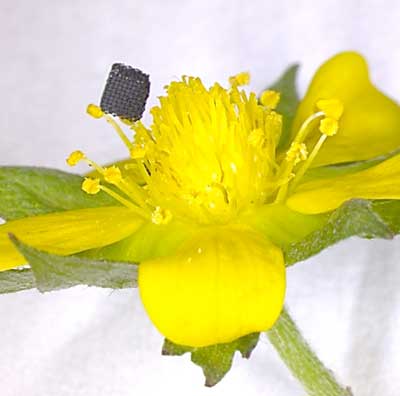
3D-printed graphene octet truss aerogel on strawberry blossom
3D-printed graphene octet truss aerogel on strawberry blossom. (Image: Virginia Tech)
Because of its strength – graphene is one of the strongest materials ever tested on Earth – and its high thermal and electricity conductivity, 3D printed graphene objects would be highly coveted in certain industries, including batteries, aerospace, separation, heat management, sensors, and catalysis.
Graphene is a single layer of carbon atoms organized in a hexagonal lattice. When graphene sheets are neatly stacked on top of each other and formed into a three-dimensional shape, it becomes graphite, commonly known as the “lead” in pencils.
Because graphite is simply packed-together graphene, it has fairly poor mechanical properties. But if the graphene sheets are separated with air-filled pores, the three-dimensional structure can maintain its properties. This porous graphene structure is called a graphene aerogel.
“Now a designer can design three-dimensional topology comprised of interconnected graphene sheets,” said Xiaoyu “Rayne” Zheng, assistant professor with the Department of Mechanical Engineering in the College of Engineering and director of the Advanced Manufacturing and Metamaterials Lab. “This new design and manufacturing freedom will lead to optimization of strength, conductivity, mass transport, strength, and weight density that are not achievable in graphene aerogels.”
Zheng, also an affiliated faculty member of the Macromolecules Innovation Institute, has received grants to study nanoscale materials and scale them up to lightweight and functional materials for applications in aerospace, automobiles, and batteries.
Previously, researchers could print graphene using an extrusion process, sort of like squeezing toothpaste, but that technique could only create simple objects that stacked on top of itself.
“With that technique, there’s very limited structures you can create because there’s no support and the resolution is quite limited, so you can’t get freeform factors,” Zheng said. “What we did was to get these graphene layers to be architected into any shape that you want with high resolution.”
This project began three years ago when Ryan Hensleigh, lead author of the article and now a third-year Macromolecular Science and Engineering Ph.D. student, began an internship at the Lawrence Livermore National Laboratory in Livermore, California. Hensleigh started working with Zheng, who was then a member of the technical staff at Lawrence Livermore National Laboratory. When Zheng joined the faculty at Virginia Tech in 2016, Hensleigh followed as a student and continued working on this project.
scanning electron microscope picture of a graphene octet-truss
Left: Zoomed-in scanning electron microscope picture of a graphene octet-truss at a resolution of 1 micrometer. Right: Zoomed-in scanning electron microscope picture of a graphene octet-truss at a resolution of 10 micrometers. (Image: Virginia Tech)
To create these complex structures, Hensleigh started with graphene oxide, a precursor to graphene, crosslinking the sheets to form a porous hydrogel. Breaking the graphene oxide hydrogel with ultrasound and adding light-sensitive acrylate polymers, Hensleigh could use projection micro-stereolithography to create the desired solid 3D structure with the graphene oxide trapped in the long, rigid chains of acrylate polymer. Finally, Hensleigh would place the 3D structure in a furnace to burn off the polymers and fuse the object together, leaving behind a pure and lightweight graphene aerogel.
“It’s a significant breakthrough compared to what’s been done,” Hensleigh said. “We can access pretty much any desired structure you want.”
The key finding of this work, which was recently published with collaborators at Lawrence Livermore National Laboratory in the journal Materials Horizons („Additive manufacturing of complex micro-architected graphene aerogels”), is that the researchers created graphene structures with a resolution an order of magnitude finer than ever printed. Hensleigh said other processes could print down to 100 microns, but the new technique allows him to print down to 10 microns in resolution, which approaches the size of actual graphene sheets.
“We’ve been able to show you can make a complex, three-dimensional architecture of graphene while still preserving some of its intrinsic prime properties,” Zheng said. “Usually when you try to 3D print graphene or scale up, you lose most of their lucrative mechanical properties found in its single sheet form.”
Source: Virginia Tech
Subscribe to a free copy of one of our daily
Nanowerk Newsletter Email Digests
with a compilation of all of the day’s news.
These articles might interest you as well:

Conductele laminate de la Graphene ar putea reduce coroziunea în industria de petrol și gaze(Graphene laminated pipes could reduce corrosion in the oil and gas industry)

Grafenul este primul material bidimensional din lume, flexibil, transparent, mai conductiv decât cuprul și este cunoscut că blochează trecerea heliului, cel mai greu gaz de blocat.Cercetătorii au descoperit că dacă grafenul a fost amestecat mecanic cu materialul plastic sau dacă s-a aplicat un singur strat de grafen, gazele ar fi putut să treacă.
Cu toate acestea, prin laminarea unui strat subțire de nanoplateste de grafen la poliamida 11 (PA11) – un material plastic folosit adesea în aceste căptușeli – echipa a reușit să producă structuri care se comportă ca niște bariere excepțional de bune.

Posted: Aug 22, 2018

Graphene laminated pipes could reduce corrosion in the oil and gas industry

(Nanowerk News) Researchers at The University of Manchester and TWI have discovered ways of using graphene to prolong the lifetime of pipes used in the oil and gas industry.

Published in Advanced Materials Interfaces („Graphene/Polyamide Laminates for Supercritical CO2 and H2S Barrier Applications: An Approach toward Permeation Shutdown „), the team have found a way of incorporating graphene into a polymer liner used in pipes that transport crude oil and gas from the sea floor.
The pipes are generally made of internal layers of polymer or composite and external strengthening steel. Within these pipes, fluids may be at very high pressure and elevated temperature.
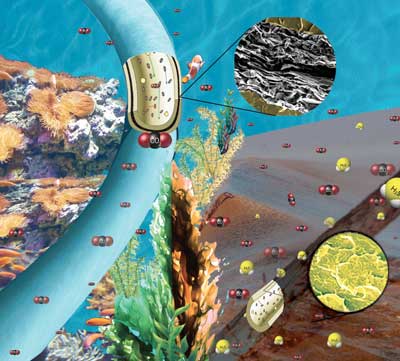
using graphene to prolong the lifetime of pipes used in the oil and gas industry
Using graphene to prolong the lifetime of pipes used in the oil and gas industry. (Image: University of Manchester)
In situations where carbon dioxide (CO2), hydrogen sulfide (H2S) and water permeate through the protective barrier layer of the pipe, the steel may corrode causing the pipe to lose strength over time, leading to a risk of catastrophic failure.
The researchers found that if the graphene was mechanically mixed with the plastic, or if a single layer of graphene were applied, gases were still able to pass through.
However, by laminating a thin layer of graphene nanoplatelets to polyamide 11 (PA11) – a plastic often used in these liners – the team were able to produce structures that behave as exceptionally good barriers.
The multi-layered laminate structures were tested at 60°C and at pressures up to 400 times atmospheric pressure, and were shown to reduce CO2 permeation by over 90% compared to PA11 alone, while permeation of H2S can be reduced to undetectable levels.
Graphene is the world’s first two-dimensional material, flexible, transparent, more conductive than copper, and is known to block the passage of helium, the hardest gas to block.
Corrosion costs the oil and gas industry in the US alone $1.4 billion. This technology has the potential to extend the life of the underwater pipework and therefore reduce the time between repairs.
Professor Peter Budd, who led the Manchester team, said: “Graphene has many amazing properties, but it is not always easy to realise them on a large scale. Our work represents an important step in taking graphene out of the laboratory and into the real world.”
Dr Paul Woollin, Director of Research, TWI, said: “This research is an example of how TWI can work effectively with world leading universities through its Innovation Network, and draw on our cutting edge testing capability and in house experts, to identify unique and novel solutions to industry’s most challenging problems.
Graphene membranes such as these have the potential to open up vast new markets and revolutionise countless industrial processes, such as food packaging, water filtration and gas separation.
Source: University of Manchester

Insulatorul topologic nou ar putea îmbunătăți eficiența procesării și memoriei computerului(New topological insulator could improve efficiency of computer processing and memory)

O echipă de cercetători condusă de Universitatea din Minnesota a dezvoltat un nou material care ar putea îmbunătăți eficiența procesării și memoriei computerului. Cercetatorii au depus un brevet asupra materialului cu sprijinul companiei de cercetare Semiconductor Corporation, iar oamenii din industria semiconductorilor au cerut deja mostre din material.Noul material se află într-o clasă de materiale numite „izolatoare topologice”, care au fost studiate recent de comunitățile de cercetare fizică și materiale și de industria semiconductorilor datorită transportului unic spin-electronic și proprietăților magnetice.

Posted: Aug 22, 2018

New topological insulator could improve efficiency of computer processing and memory

(Nanowerk News) A team of researchers led by the University of Minnesota has developed a new material that could potentially improve the efficiency of computer processing and memory. The researchers have filed a patent on the material with support from the Semiconductor Research Corporation, and people in the semiconductor industry have already requested samples of the material.

The findings are published in Nature Materials („Room-temperature high spin–orbit torque due to quantum confinement in sputtered BixSe(1–x) films”), a peer-reviewed scientific journal published by Nature Publishing Group.
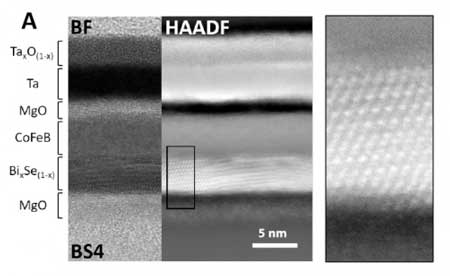
cross-sectional transmission electron microscope image shows a sample used for the charge-to-spin conversion experiment
This cross-sectional transmission electron microscope image shows a sample used for the charge-to-spin conversion experiment. The nano-sized grains of less than 6 nanometers in the sputtered topological insulator layer created new physical properties for the material that changed the behavior of the electrons in the material. (Image: Wang Group, University of Minnesota)
“We used a quantum material that has attracted a lot of attention by the semiconductor industry in the past few years, but created it in unique way that resulted in a material with new physical and spin-electronic properties that could greatly improve computing and memory efficiency,” said lead researcher Jian-Ping Wang, a University of Minnesota Distinguished McKnight Professor and Robert F. Hartmann Chair in electrical engineering.
The new material is in a class of materials called “topological insulators,” which have been studied recently by physics and materials research communities and the semiconductor industry because of their unique spin-electronic transport and magnetic properties. Topological insulators are usually created using a single crystal growth process. Another common fabrication technique uses a process called Molecular Beam Epitaxy in which crystals are grown in a thin film. Both of these techniques cannot be easily scaled up for use in the semiconductor industry.
In this study, researchers started with bismuth selenide (Bi2Se3), a compound of bismuth and selenium. They then used a thin film deposition technique called “sputtering,” which is driven by the momentum exchange between the ions and atoms in the target materials due to collisions. While the sputtering technique is common in the semiconductor industry, this is the first time it has been used to create a topological insulator material that could be scaled up for semiconductor and magnetic industry applications.
However, the fact that the sputtering technique worked was not the most surprising part of the experiment. The nano-sized grains of less than 6 nanometers in the sputtered topological insulator layer created new physical properties for the material that changed the behavior of the electrons in the material. After testing the new material, the researchers found it to be 18 times more efficient in computing processing and memory compared to current materials.
“As the size of the grains decreased, we experienced what we call ‘quantum confinement’ in which the electrons in the material act differently giving us more control over the electron behavior,” said study co-author Tony Low, a University of Minnesota assistant professor of electrical and computer engineering.
Researchers studied the material using the University of Minnesota’s unique high-resolution transmission electron microscopy (TEM), a microscopy technique in which a beam of electrons is transmitted through a specimen to form an image.
“Using our advanced aberration-corrected scanning TEM we managed to identify those nano-sized grains and their interfaces in the film,” said Andre Mkhoyan, a University of Minnesota associate professor of chemical engineering and materials science and electron microscopy expert.
Researchers say this is only the beginning and that this discovery could open the door to more advances in the semiconductor industry as well as related industries, such as magnetic random access memory (MRAM) technology.
“With the new physics of these materials could come many new applications,” said Mahendra DC (Dangi Chhetri), first author of the paper and a physics Ph.D. student in Professor Wang’s lab.
Wang agrees that this cutting-edge research could make a big impact.
“Using the sputtering process to fabricate a quantum material like a bismuth-selenide-based topological insulator is against the intuitive instincts of all researchers in the field and actually is not supported by any existing theory,” Wang said. “Four years ago, with a strong support from Semiconductor Research Corporation and the Defense Advanced Research Projects Agency, we started with a big idea to search for a practical pathway to grow and apply the topological insulator material for future computing and memory devices. Our surprising experimental discovery led to a new theory for topological insulator materials.
“Research is all about being patient and collaborating with team members. This time there was a big pay off,” Wang said.
Source: University of Minnesota College of Science and Engineering

Bateriile sunt pregătite pentru revoluția organică(Batteries poised for organic revolution)

Crucial, noul material este, de asemenea, robust, rămânând stabil peste mii de cicluri de încărcare / descărcare a bateriei.
Catodul, electrodul pozitiv în bateriile Li-ion, este o componentă critică. O moleculă organică cu deficit de electroni, numită hexazatrin-naftalină (HATN), a fost investigată anterior ca material catodic organic pentru bateriile cu litiu-ion. Cu toate acestea, performanța sa promițătoare inițială a scăzut rapid în timpul utilizării, deoarece molecula a început să se dizolve în electrolitul lichid al bateriei.

Posted: Aug 16, 2018

Batteries poised for organic revolution

(Nanowerk News) Incorporating organic materials into lithium ion batteries could lower their cost and make them more environmentally friendly, A*STAR researchers have found (Journal of Materials Chemistry A, „Hexaazatriphenylene derivatives/GO composites as organic cathodes for lithium ion batteries”).

The team has developed an organic-based battery cathode that has significantly improved electrochemical performance compared to previous organic cathode materials. Crucially, the new material is also robust, remaining stable over thousands of battery charge/discharge cycles.
The cathode, the positive electrode in Li-ion batteries, is a critical component. An electron-deficient, rigid organic molecule called hexaazatrinaphthalene (HATN) was previously investigated as an organic cathode material for lithium ion batteries. However, its promising initial performance declined rapidly during use, because the molecule began to dissolve into the battery’s liquid electrolyte.
A new cathode material, in which HATN was combined with graphene oxide in a bid to prevent the organic material from dissolving, has now been developed by Yugen Zhang and his colleagues from the A*STAR Institute of Bioengineering and Nanotechnology.
Hydrogen bonds (blue) strongly attach the redox active organic molecule HATNTA (red) to a graphene oxide support (grey)
Hydrogen bonds (blue) strongly attach the redox active organic molecule HATNTA (red) to a graphene oxide support (grey). (© The Royal Society of Chemistry)
In graphene oxide, a single-atom thick sheet of carbon atoms is partly covered by a layer of oxygen atoms. “Graphene oxide has excellent electronic conductivity, and surface oxygen functionality that may form hydrogen-bonding interactions with HATN,” Zhang says. He explains that this made graphene oxide a promising candidate for forming a HATN-graphene oxide nanocomposite.
The nanocomposite’s performance exceeded expectations. The materials combined to form core-shell nanorods in which the HATN was coated with graphene oxide. “Graphene oxide and HATN formed a very nice composite structure, which solved the dissolution issue of HATN in electrolyte and gave the cathode very good cycling stability,” Zhang says. A lithium ion battery using this material as its cathode retained 80 per cent of its capacity after 2000 charge/discharge cycles.
The team saw even better performance when they combined graphene oxide with a HATN derivate called hexaazatrinaphthalene tricarboxylic acid (HATNTA). A battery made from this material retained 86 per cent of its capacity after 2,000 charge/discharge cycles. The improved performance is probably due to the polar carboxylic acid groups on the HATNTA molecule, which attached the molecule even more strongly to the graphene oxide.
The team is continuing to develop new materials to improve the performance of organic cathodes, Zhang says. Aside from investigating alternatives to graphene oxide, the team also is working on HATN-based porous polymers for use as organic cathode materials, which should enhance the flow of ions during battery charge and discharge.
Source: A*STAR

Inginerii dezvoltă cel mai rezistent aliaj de metal din lume(Engineers develop world’s most wear-resistant metal alloy)

Echipa de știință a materialelor Sandia a elaborat un aliaj de aur de platină, considerat a fi cel mai rezistent metal din lume. Este de 100 de ori mai durabil decât oțelul de înaltă rezistență, făcându-l primul aliaj sau o combinație de metale, în aceeași clasă ca diamantele și safirul, cele mai rezistente la uzură materiale ale naturii.

Posted: Aug 16, 2018

Engineers develop world’s most wear-resistant metal alloy

(Nanowerk News) If you’re ever unlucky enough to have a car with metal tires, you might consider a set made from a new alloy engineered at Sandia National Laboratories. You could skid — not drive, skid — around the Earth’s equator 500 times before wearing out the tread.

Sandia’s materials science team has engineered a platinum-gold alloy believed to be the most wear-resistant metal in the world. It’s 100 times more durable than high-strength steel, making it the first alloy, or combination of metals, in the same class as diamond and sapphire, nature’s most wear-resistant materials. Sandia’s team recently reported their findings in Advanced Materials(„Achieving Ultralow Wear with Stable Nanocrystalline Metals”). “We showed there’s a fundamental change you can make to some alloys that will impart this tremendous increase in performance over a broad range of real, practical metals,” said materials scientist Nic Argibay, an author on the paper.
Although metals are typically thought of as strong, when they repeatedly rub against other metals, like in an engine, they wear down, deform and corrode unless they have a protective barrier, like additives in motor oil.
In electronics, moving metal-to-metal contacts receive similar protections with outer layers of gold or other precious metal alloys. But these coatings are expensive. And eventually they wear out, too, as connections press and slide across each other day after day, year after year, sometimes millions, even billions of times. These effects are exacerbated the smaller the connections are, because the less material you start with, the less wear and tear a connection can endure before it no longer works.
With Sandia’s platinum-gold coating, only a single layer of atoms would be lost after a mile of skidding on the hypothetical tires. The ultradurable coating could save the electronics industry more than $100 million a year in materials alone, Argibay says, and make electronics of all sizes and across many industries more cost-effective, long-lasting and dependable — from aerospace systems and wind turbines to microelectronics for cell phones and radar systems.
“These wear-resistant materials could potentially provide reliability benefits for a range of devices we have explored,” said Chris Nordquist, a Sandia engineer not involved in the study. “The opportunities for integration and improvement would be device-specific, but this material would provide another tool for addressing current reliability limitations of metal microelectronic components.”

New metal puts an old theory to rest

You might be wondering how metallurgists for thousands of years somehow missed this. In truth, the combination of 90 percent platinum with 10 percent gold isn’t new at all.
But the engineering is new. Argibay and coauthor Michael Chandross masterminded the design and the new 21st century wisdom behind it. Conventional wisdom says a metal’s ability to withstand friction is based on how hard it is. The Sandia team proposed a new theory that says wear is related to how metals react to heat, not their hardness, and they handpicked metals, proportions and a fabrication process that could prove their theory.
“Many traditional alloys were developed to increase the strength of a material by reducing grain size,” said John Curry, a postdoctoral appointee at Sandia and first author on the paper. “Even still, in the presence of extreme stresses and temperatures many alloys will coarsen or soften, especially under fatigue. We saw that with our platinum-gold alloy the mechanical and thermal stability is excellent, and we did not see much change to the microstructure over immensely long periods of cyclic stress during sliding.”
Now they have proof they can hold in their hands. It looks and feels like ordinary platinum, silver-white and a little heavier than pure gold. Most important, it’s no harder than other platinum-gold alloys, but it’s much better at resisting heat and a hundred times more wear resistant.
The team’s approach is a modern one that depended on computational tools. Argibay and Chandross’ theory arose from simulations that calculated how individual atoms were affecting the large-scale properties of a material, a connection that’s rarely obvious from observations alone. Researchers in many scientific fields use computational tools to take much of the guesswork out of research and development.
“We’re getting down to fundamental atomic mechanisms and microstructure and tying all these things together to understand why you get good performance or why you get bad performance, and then engineering an alloy that gives you good performance,” Chandross said.

A slick surprise

Still, there will always be surprises in science. In a separate paper published in Carbon („In situ tribochemical formation of self-lubricating diamond-like carbon films”), the Sandia team describes the results of a remarkable accident. One day, while measuring wear on their platinum-gold, an unexpected black film started forming on top. They recognized it: diamond-like carbon, one of the world’s best man-made coatings, slick as graphite and hard as diamond. Their creation was making its own lubricant, and a good one at that.
Diamond-like carbon usually requires special conditions to manufacture, and yet the alloy synthesized it spontaneously.
“We believe the stability and inherent resistance to wear allows carbon-containing molecules from the environment to stick and degrade during sliding to ultimately form diamond-like carbon,” Curry said. “Industry has other methods of doing this, but they typically involve vacuum chambers with high temperature plasmas of carbon species. It can get very expensive.”
The phenomenon could be harnessed to further enhance the already impressive performance of the metal, and it could also potentially lead to a simpler, more cost-effective way to mass-produce premium lubricant.
Source: Sandia National Laboratories