Acoperirea cu polimeri răcește clădirile(Polymer coating cools down buildings)

Cercetătorii de la Columbia Engineering au inventat o acoperire polimerică de înaltă performanță PDRC cu goluri de aer nano-microscale care acționează ca un răcitor spontan de aer și pot fi fabricate, vopsite și aplicate ca vopseaua pe acoperișuri, clădiri, rezervoare de apă, chiar și nave spațiale – orice poate fi vopsit. Ei au folosit o tehnică bazată pe soluție bazată pe fază, care conferă polimerului o structură poroasă asemănătoare spumei. Vasele de aer din polimerul poros se împrăștie și reflectă lumina soarelui, datorită diferenței în indicele de refracție dintre golurile de aer și polimerul înconjurător. Polimerul devine alb și astfel evită încălzirea solară, în timp ce emitentul său intrinsecă îl face să piardă eficient căldura spre cer. Studiul este publicat astăzi online în știință („Acoperiri polimerice poroase ierarhice pentru o răcire radiativă pasivă în timpul zilei” ).

Posted: Sep 27, 2018

Polymer coating cools down buildings

(Nanowerk News) With temperatures rising and heat-waves disrupting lives around the world, cooling solutions are becoming ever more essential. This is a critical issue especially in developing countries, where summer heat can be extreme and is projected to intensify. But common cooling methods such as air conditioners are expensive, consume significant amounts of energy, require ready access to electricity, and often require coolants that deplete ozone or have a strong greenhouse effect.

An alternative to these energy-intensive cooling methods is passive daytime radiative cooling (PDRC), a phenomenon where a surface spontaneously cools by reflecting sunlight and radiating heat to the colder atmosphere. PDRC is most effective if a surface has a high solar reflectance (R) that minimizes solar heat gain, and a high, thermal emittance (ε) that maximizes radiative heat loss to the sky. If R and ε are sufficiently high, a net heat loss can occur, even under sunlight.
Developing practical PDRC designs has been challenging: many recent design proposals are complex or costly, and cannot be widely implemented or applied on rooftops and buildings, which have different shapes and textures. Up to now, white paints, which are inexpensive and easy to apply, have been the benchmark for PDRC. White paints, however, usually have pigments that absorb UV light, and do not reflect longer solar wavelengths very well, so their performance is only modest at best.
Researchers at Columbia Engineering have invented a high-performance exterior PDRC polymer coating with nano-to-microscale air voids that acts as a spontaneous air cooler and can be fabricated, dyed, and applied like paint on rooftops, buildings, water tanks, vehicles, even spacecraft—anything that can be painted. They used a solution-based phase-inversion technique that gives the polymer a porous foam-like structure. The air voids in the porous polymer scatter and reflect sunlight, due to the difference in the refractive index between the air voids and the surrounding polymer. The polymer turns white and thus avoids solar heating, while its intrinsic emittance causes it to efficiently lose heat to the sky. The study is published online today in Science („Hierarchically porous polymer coatings for highly efficient passive daytime radiative cooling”).
Passive daytime radiative cooling (PDRC) involves simultaneously reflecting sunlight and radiating heat into the cold sky to achieve a net heat loss. The process, which is spontaneous, can cool down structures to sub-ambient temperatures.
The team – Yuan Yang, assistant professor of materials science and engineering; Nanfang Yu, associate professor of applied physics; and Jyotirmoy Mandal, lead author of the study and a doctoral student in Yang’s group (all department of applied physics and applied mathematics) – built upon earlier work that demonstrated that simple plastics and polymers, including acrylic, silicone, and PET, are excellent heat radiators and could be used for PDRC. The challenges were how to get these normally transparent polymers to reflect sunlight without using silver mirrors as reflectors and how to make them easily deployable.
They decided to use phase-inversion because it is a simple, solution-based method for making light-scattering air-voids in polymers. Polymers and solvents are already used in paints, and the Columbia Engineering method essentially replaces the pigments in white paint with air voids that reflect all wavelengths of sunlight, from UV to infrared.
porous polymer PDRC coating
porous polymer PDRC coating reflects sunlight and emits heat to attain significantly cooler temperatures than typical building materials or even the ambient air
When exposed to the sky, the porous polymer PDRC coating reflects sunlight and emits heat to attain significantly cooler temperatures than typical building materials or even the ambient air.
“This simple but fundamental modification yields exceptional reflectance and emittance that equal or surpass those of state-of-the-art PDRC designs, but with a convenience that is almost paint-like,” says Mandal.
The researchers found their polymer coating’s high solar reflectance (R > 96%) and high thermal emittance (ε ∼ 97%) kept it significantly cooler than its environment under widely different skies, e.g. by 6°C in the warm, arid desert in Arizona and 3°C in the foggy, tropical environment of Bangladesh.
“The fact that cooling is achieved in both desert and tropical climates, without any thermal protection or shielding, demonstrates the utility of our design wherever cooling is required,” Yang notes.
When exposed to the sky, the porous polymer PDRC coating reflects sunlight and emits heat to attain significantly cooler temperatures than typical building materials or even the ambient air.
The team also created colored polymer coatings with cooling capabilities by adding dyes. “Achieving a superior balance between color and cooling performance over current paints is one of the most important aspects of our work,” Yu notes. “For exterior coatings, the choice of color is often subjective, and paint manufacturers have been trying to make colored coatings, like those for roofs, for decades.”
The group took environmental and operational issues, such as recyclability, bio-compatibility, and high-temperature operability, into consideration, and showed that their technique can be generalized to a range of polymers to achieve these functionalities. “Polymers are an amazingly diverse class of materials, and because this technique is generic, additional desirable properties can be conveniently integrated into our PDRC coatings, if suitable polymers are available,” Mandal adds.
“Nature offers many ways for heating and cooling, some of which are extremely well known and widely studied and others that are poorly known. Radiative cooling—by using the sky as a heat sink—belongs to the latter group, and its potential has been strangely overlooked by materials scientists until a few years ago,” says Uppsala University Physics Professor Claes-Göran Granqvist, a pioneer in the field of radiative cooling, who was not involved with the study. “The publication by Mandal et al. highlights the importance of radiative cooling and represents an important breakthrough by demonstrating that hierarchically porous polymer coatings, which can be prepared cheaply and conveniently, give excellent cooling even in full sunlight.”
Illustration showing how passive daytime radiative cooling (PDRC) involves simultaneously reflecting sunlight and radiating heat into the cold sky to achieve a net heat loss
Illustration showing how passive daytime radiative cooling (PDRC) involves simultaneously reflecting sunlight and radiating heat into the cold sky to achieve a net heat loss. The process, which is spontaneous, can cool down structures to sub-ambient temperatures.
Yang, Yu, and Mandal are refining their design in terms of applicability, while exploring possibilities such as the use of completely biocompatible polymers and solvents. They are in talks with industry about next steps.
“Now is a critical time to develop promising solutions for sustainable humanity,” Yang notes. “This year, we witnessed heat waves and record-breaking temperatures in North America, Europe, Asia, and Australia. It is essential that we find solutions to this climate challenge, and we are very excited to be working on this new technology that addresses it.”
Yu adds that he used to think that white was the most unattainable color: “When I studied watercolor painting years ago, white paints were the most expensive. Cremnitz white or lead white was the choice of great masters, including Rembrandt and Lucian Freud. We have now demonstrated that white is in fact the most achievable color. It can be made using nothing more than properly sized air voids embedded in a transparent medium. Air voids are what make snow white and Saharan silver ants silvery.”
Source: By Holly Evarts, Columbia Engineering

De la ferestre de birouri la Marte: Oamenii de stiinta debuteaza gelul super-izolator(From office windows to Mars: Scientists debut super-insulating gel)

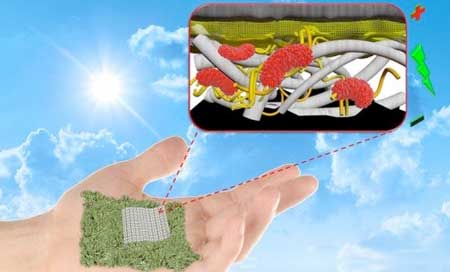
Un gel nou, super-izolator dezvoltat de cercetatorii de la Universitatea din Colorado Boulder ar putea creste dramatic eficienta energetica a zgarie-nori si a altor cladiri si ar putea ajuta intr-o zi oamenii de stiinta sa construiasca habitate de sera pentru coloniști pe Marte. „Aerogelul”, care seamănă cu o lentilă de contact plată din plastic, este atât de rezistent la căldură încât să-i poți pune o bandă pe mâna ta și să aprinzi focul fără să simți nimic

Posted: Aug 13, 2018

From office windows to Mars: Scientists debut super-insulating gel

(Nanowerk News) A new, super-insulating gel developed by researchers at the University of Colorado Boulder could dramatically increase the energy efficiency of skyscrapers and other buildings, and might one day help scientists to build greenhouse-like habitats for colonists on Mars. The “aerogel,” which looks like a flattened plastic contact lens, is so resistant to heat that you could put a strip of it on your hand and light a fire on top without feeling a thing. But unlike similar products on the market, the material is mostly see-through (Nano Energy, „Flexible transparent aerogels as window retrofitting films and optical elements with tunable birefringence”).

“Transparency is an enabling feature because you can use this gel in windows, and you could use it in extraterrestrial habitats,” said Ivan Smalyukh, a professor in the Department of Physics. “You could harvest sunlight through that thermally insulating material and store the energy inside, protecting yourself from those big oscillations in temperature that you have on Mars or on the moon.”
The group’s gel is also cheaper to produce because it comes from humble beginnings: beer waste.
Aerogels are at least 90 percent gas by weight, Smalyukh explained, but their defining feature is air. Their thin films are made up of crisscrossing patterns of solid material that trap air inside billions of tiny pores, similar to the bubbles in bubble wrap. It’s that trapping capacity that makes them such good insulators.
“You create a very tortuous network of these nanoparticles that link together in the aerogel, preventing the heat from going through,” Smalyukh said.
Most currently available aerogels, however, are opaque—a big problem if you want to use them to coat windows.
To make a different type of gel, Smalyukh and his colleagues begin with the common plant sugar cellulose. By carefully controlling how cellulose molecules link up, the team is able to orient them into a lattice-like pattern. That pattern is so uniform, he said, that it allows light to pass through unbothered, giving the gel its transparent appearance.
Researchers can make cellulose by adding specialized bacteria to a wide range of food waste. The team has been driving to breweries across the Boulder area to collect tubs of beer wort, or the waste liquid produced during the brewing process.
“So not only are we recycling and saving this valuable material from entering the landfill, but we’re also producing this raw material cheaply,” said Andrew Hess, a Ph.D. student in physics at CU Boulder.
The final product of the team’s efforts is a thin, flexible film that is roughly 100 times lighter than glass.
That could be especially useful for buildings in the United States. According to the Department of Energy, roughly one-quarter of the energy that is expended to heat and cool buildings in the country goes toward offsetting the loss of heat through windows, potentially costing building operators billions of dollars per year.
“We’re envisioning a retrofitting product that would basically be a peel-and-stick film that a consumer would buy at Home Depot,” Hess said.
Smalyukh and his colleagues have been exploring partnerships with window manufacturing companies and earlier this summer, their project was named one of the winners of NASA’s 2018 iTech competition. This national contest seeks out Earth-bound technologies that might one day help people travel to space.
“Our approach so far has been around windows,” Hess said. “However, we also see our technology being enabling for so many other applications, including smart clothes, for insulating cars and protecting firefighters.”
Source: By Daniel Strain, University of Colorado Boulder

Oamenii de știință creează biobaterite biodegradabile, pe bază de hârtie(Scientists create biodegradable, paper-based biobatteries)

Bateriile viitorului pot fi făcute din hârtie. Cercetătorii de la Universitatea Binghamton, Universitatea de Stat din New York, au creat o baterie biodegradabilă, pe bază de hârtie, care este mai eficientă decât era posibil anterior.anterior”.
Biobatteria folosește un hibrid de polimeri de hârtie și de inginerie. Polimerii – acidul poli (amic) și poli (dianhidrida piromelit-p-fenilendiamină) – au fost cheia pentru a da proprietăților biodegradabile ale bateriilor.

Posted: Aug 08, 2018

Scientists create biodegradable, paper-based biobatteries

(Nanowerk News) The batteries of the future may be made out of paper. Researchers at Binghamton University, State University at New York have created a biodegradable, paper-based battery that is more efficient than previously possible (Advanced Sustainable Systems, „Green Biobatteries: Hybrid Paper–Polymer Microbial Fuel Cells”).

paper-based battery
Researchers at Binghamton University, State University at New York have created a biodegradable, paper-based battery that is more efficient than previously possible. (Image: Seokheun “Sean” Choi)
For years, there has been excitement in the scientific community about the possibility of paper-based batteries as an eco-friendly alternative. However, the proposed designs were never quite powerful enough, they were difficult to produce and it was questionable whether they were really biodegradable.
This new design solves all of those problems.
Associate Professor Seokheun “Sean” Choi from the Electrical and Computer Engineering Department and Professor Omowunmi Sadik from the Chemistry Department worked on the project together. Choi engineered the design of the paper-based battery, while Sadik was able to make the battery a self-sustaining biobattery.
“There’s been a dramatic increase in electronic waste and this may be an excellent way to start reducing that,” said Choi. “Our hybrid paper battery exhibited a much higher power-to-cost ratio than all previously reported paper-based microbial batteries.”
The biobattery uses a hybrid of paper and engineered polymers. The polymers – poly (amic) acid and poly (pyromellitic dianhydride-p-phenylenediamine) – were the key to giving the batteries biodegrading properties.
The team tested the degradation of the battery in water and it clearly biodegraded without the requirements of special facilities, conditions or introduction of other microorganisms.
The polymer-paper structures are lightweight, low-cost and flexible. Choi said that flexibility also provides another benefit.
“Power enhancement can be potentially achieved by simply folding or stacking the hybrid, flexible paper-polymer devices,” said Choi.
The team said that producing the biobatteries is a fairly straightforward process and that the material allows for modifications depending on what configuration is needed.
Source: University of Binghamton

Cristalele din plastic păstrează cheia transportului de energie record(Plastic crystals hold key to record-breaking energy transport)

Oamenii de stiinta de la universitatile din Cambridge si Bristol au gasit o modalitate de a crea nanostructuri din material plastic semiconductoare care absorb lumina si transportul energiei sale de 20 de ori mai mult decat a fost observat anterior, deschizand calea pentru celulele solare mai flexibile si mai eficiente si fotodetectori .Echipa de cercetare planifică acum să pregătească structuri mai groase decât cele din studiul actual și mai mare decât adâncimea de absorbție optică, în vederea construirii prototipului de celule solare bazate pe această tehnologie.
Ele pregătesc și alte structuri capabile să utilizeze lumina pentru a efectua reacții chimice, cum ar fi împărțirea apei în hidrogen și oxigen

Posted: May 29, 2018

Plastic crystals hold key to record-breaking energy transport

(Nanowerk News) Scientists from the Universities of Cambridge and Bristol have found a way to create plastic semiconductor nanostructures that absorb light and transport its energy 20 times further than has been previously observed, paving the way for more flexible and more efficient solar cells and photodetectors.

The researchers, whose work appears in the journal Science („Long-range exciton transport in conjugated polymer nanofibers prepared by seeded growth”), say their findings could be a “game changer” by allowing the energy from sunlight absorbed in these materials to be captured and used more efficiently.
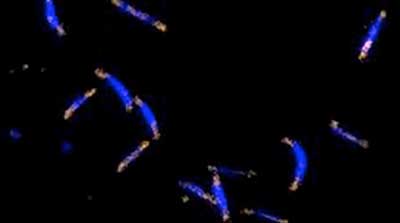
light emission from polymeric nanostructures and schematic of a single nanostructure
Image showing light emission from the polymeric nanostructures and schematic of a single nanostructure. (Image: University of Bristol)
Lightweight semiconducting plastics are now widely used in mass market electronic displays such as those found in phones, tablets and flat-screen televisions. However, using these materials to convert sunlight into electricity to make solar cells is far more complex.
The photo-excited states – when photons of light are absorbed by the semiconducting material – need to move so that they can be “harvested” before they lose their energy. These excitations typically only travel about 10 nanometres in plastic (or polymeric) semiconductors, so researchers need to build tiny structures patterned at the nanoscale to maximise the “harvest”.
Dr Xu-Hui Jin and colleagues at the University of Bristol developed a new way to make highly ordered crystalline semiconducting structures using polymers.
Dr Michael Price of Cambridge’s Cavendish Laboratory measured the distance that the photo-exited states travelled, which reached distances of 200 nanometres – 20 times further than was previously possible.
200 nanometres is especially significant because it is greater than the thickness of material needed to completely absorb ambient light, making these polymers more suitable as “light harvesters” for solar cells and photodetectors.
“The gain in efficiency would actually be for two reasons: first, because the energetic particles travel further, they are easier to “harvest”, and second, we could now incorporate layers around 100 nanometres thick, which is the minimum thickness needed to absorb all the energy from light – the so-called optical absorption depth,” said co-author Dr George Whittell from the University of Bristol. “Previously, in layers this thick, the particles were unable to travel far enough to reach the surfaces.”
“The distance that energy can be moved in these materials comes as a big surprise and points to the role of unexpected quantum coherent transport processes,” said co-author Professor Sir Richard Friend from Cambridge’s Cavendish Laboratory, and a Fellow of St John’s College.
The research team now plans to prepare structures thicker than those in the current study and greater than the optical absorption depth, with a view to building prototype solar cells based on this technology.
They are also preparing other structures capable of using light to perform chemical reactions, such as the splitting of water into hydrogen and oxygen.
Source: University of Cambridge

De ce se schimbă faza de gips-carton în Știri în loc de a fi în Depozitul de Acasă?(Why is Phase-Changing Drywall in the News Instead of in the Home Depot?)

ThermalCORE de la Gypsum National are piei din fibra de sticla (in loc de hartie), dar altfel nu arata altfel decat gips-cartonul standard; sferele PCM micro-încapsulate sunt mult prea mici pentru a vedea. Studiile arată că panoul de perete ThermalCORE stochează circa 22 BTU de energie termică pe picior pătrat. Ideea este că căldura de soare din timpul zilei va fi stocată în panou de perete și apoi eliberată noaptea pentru a menține spațiul cald. Aceasta va ajuta la prevenirea supraîncălzirii în timpul zilei și la reducerea costurilor de încălzire în timpul orelor de seară. În esență, este o formă de tehnologie de înaltă tehnologie a materialelor termo-masa utilizate în mod tipic în proiectarea solare pasivă (pereți din cărămidă, pardoseli etc.).

Why is Phase-Changing Drywall in the News Instead of in the Home Depot?

thermalcore phase changing drywall image

Americans think of themselves as innovators, but when it comes to green products they are not even in the ballpark. Take phase-changing drywall; we wrote about it almost five years ago in TreeHugger. It works by embedding „phase-changing microcapsules” from BASF and called Micronal into drywall, and is sold in Europe as KNAUF PCM Smartboard.

Now National Gypsum is making it in America; Alex Wilson of Greenbuilding Advisor saw it at Greenbuild. But they are not selling it, just doing field trials.

thermalcore phase changing drywall properties image

Alex describes how it works:

National Gypsum’s ThermalCORE has fiberglass skins (instead of paper), but otherwise looks no different than standard drywall; the micro-encapsulated PCM spheres are far too small to see. Studies show that the ThermalCORE wallboard stores about 22 BTUs of thermal energy per square foot. The idea is that warmth from the sun during the day will be stored in the wallboard, and then released at night to keep the space warm. It will both help prevent overheating during the day and help reduce heating costs during the evening hours. In essence, it’s a high-tech form of thermal-mass materials that are typically used in passive solar design (brick facing walls, tile floors, etc.).

thermalcore phase changing drywall how it works image

National Gypsum has built a nice website but says in their press release that it is not commercially available, but is going through testing in California.

thermalcore phase changing drywall built buildings image

But in Europe they have been studying it for years, and in climates like London’s and Paris’s they found that it could reduce energy consumption by up to 30%. There are architects tools and simulation softwareavailable for download.

thermalcore phase changing drywall comparison image

From Micronal brochure, download pdf here
They are marketing it with direct comparisons to other, bulkier materials. They note that one gets the effects of thermal mass without as much stuff, and that:

As part of a passive cooling concept, construction elements containing Micronal® PCM can in part or completely substitute energy consuming cooling systems. This leads not only to energy savings, but also to a reduction or elimination of in the maintenance and repair costs of the cooling systems, which normally have an average life cycle of 15 years.

thermalcore phase changing drywall london image

A simple idea with no moving parts, tested for years already-” a 16-month cyclic test involving 24 temperature cycles per day has attested to a minimum life of 30 years for the material. Its leaktightness and thermal storage characteristics remained unchanged throughout the test period.”

Why do products like this take forever to come to America, and then years more until we can actually buy it? Why is this in the news instead of in the Home Depot?

More information at Micronal

How much money can a solar roof save you in Bucuresti?

Profit from your roof space: find local deals on solar in your area, eliminate your power bill, and join the solar revolution.

Materiale pentru schimbarea fazelor: sunt ele parte din viitorul nostru energetic eficient?(Phase Change Materials: Are They Part of Our Energy Efficient Future? )

Depozitarea energiei termice în clădiri are două forme: stocarea căldurii sensibile (SHS) și
depozitarea la cald latentă (LHS). Sistemele SHS se încarcă și descarcă energie sau căldură, utilizând căldura
capacitatea materialului și o schimbare corespunzătoare a temperaturii. În schimb, sistemele LHS
energia de încărcare și evacuare prin efectuarea unei schimbări de fază. Sistemele LHS au o energie mai mare
densitate și să mențină temperatura aproape constantă în timpul procesului de încărcare și descărcare.
PCM-urile au fost studiate de zeci de ani (Castellon et al., 2007). Au fost diferite materiale
considerate pentru aplicații în construcții, cum ar fi ceara de parafină, materiale organice pe bază de biologică și
sărurile eutectice, pentru a profita de capacitățile de căldură latente ale PCM și de densitățile mari de stocare
(Zalba și colab., 2003). Spre deosebire de masa termică convențională, cum ar fi betonul sau adobe-ul, depozitul PCM
cantități similare de căldură cu o masă semnificativ mai mică. PCM-urile mențin o temperatură aproape constantă
în spațiul condiționat, în timp ce suferă o schimbare de fază. Temperaturile de topire sunt tipice
variază între 70 și 80 ° F în aplicațiile de răcire a clădirilor. Acest interval de temperatură este variat pe baza
la cerere și concepute pentru a minimiza încărcăturile de încălzire și răcire pentru clădire în timp ce

Produse PMC

Produse PCM

Produse PCM

Există acum un număr de game de PCM-uri, precum și produse pentru construcții care încorporează PCM gata de utilizare în clădirile disponibile în Țările de Jos. Unele produse și produse semifabricate potrivite pentru industria construcțiilor sunt:

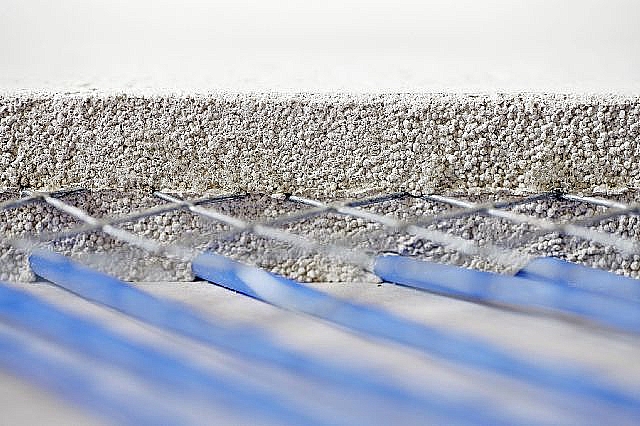
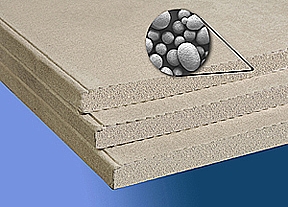
Micronal este un produs semi-fabricat de la BASF, care constă din bile de parafină încapsulate într-un polimer. Microcapsulele au un diametru de aproximativ 5 microni și pot fi încorporate în ipsos, gips-carton și beton. Micronal are o căldură de fuziune de 100 kJ / kg. Temperatura de topire este de 23 ° C.

Maxit Clima este, de asemenea, un produs BASF și un exemplu de produs de construcție care încorporează un PCM. Este un tencuială prin pulverizare în care este încorporat Micronal. Aceste bile de parafină măresc masa termică a tencuielii. Un perete cu Maxit Clima de 3 cm are aceeași masă termică ca un perete de beton cu grosime de 8 cm sau un perete de gips-carton de 13 cm fără PCM.

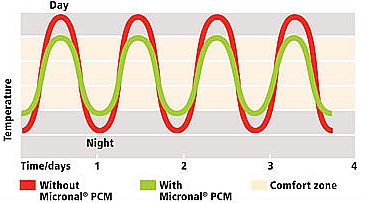
ThermalCore este o placă de ghips care conține Micronal. Gipsul național face ca placa să fie utilizată în principal în pereți în locuințe. Modulul PCM din placă alimentează vârfurile de temperatură în timpul ciclului zi / noapte, menținând astfel camera de zi în zona de confort.


Influența PCM într-un perete de gips-carton ThermalCore pe gradientul de temperatură dintr-o cameră de zi

La fel ca Micronal, Thermusol este un produs semi-fabricat. PCM-ul în bile nu este ceară de parafină, dar în acest caz este un hidrat de sare. Producătorul / furnizor, Salca, Ootmarsum din Olanda, oferă trei tipuri de produse Thermusol ca parte a gamei standard de produse: HD28, HD32 și HD60 cu temperaturi de topire de 28, 32 și 60 ° C. Căldura de fuziune este resp. 110, 150 și 160 kJ / kg. La cerere, Thermusol poate fi produs cu o temperatură de topire cuprinsă între 5-90 ° C.

Salca însăși a folosit Thermusol în două produse complete pentru industria construcțiilor:

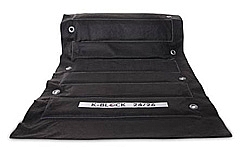
K-Block : un strat de două straturi de material fibros pentru absorbția (excesului) de căldură. Acest lucru poate fi slăbit pe un plafon de sistem sau pe interiorul unui acoperiș. www.salcabv.nl

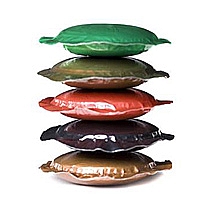
Thermupod : plăcuțe pentru creșterea capacității de stocare a căldurii unui vas tampon, de exemplu. www.salcabv.nl

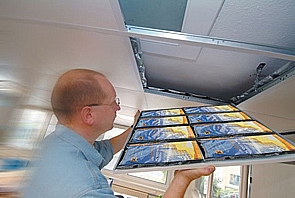
Tavanele climatice Autarkis constau din panouri din polipropilenă care încorporează PCM-uri. Temperatura de topire a PCM este de 21 ° C. Panourile sunt montate ca „insule” pe un plafon fix. Insulele PCM reglează apoi răcirea, încălzirea și ventilarea camerei. www.autarkis.nl 
Podelele climatice de la Autarkis, cu sediul în Almere din Olanda, sunt și panouri PCM. 50% din suprafața podelei poate fi echipată cu aceste panouri, economisind 50% din capacitatea de absorbție a căldurii a structurii podelei. www.autarkis.nl

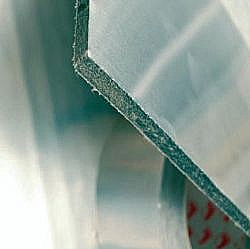
Energain este un panou de perete de la Dupont. Este finisat cu un laminat din aluminiu. Miezul constă din copolimeri cu un PCM parafinic. Temperatura de topire este de 22 ° C, iar temperatura de solidificare este de 18 ° C. Căldura specifică de topire este de 515 kJ / m2. Panoul este relativ subțire (5.26 mm) combinat cu o greutate mică (4.5 kg / m 2 ).

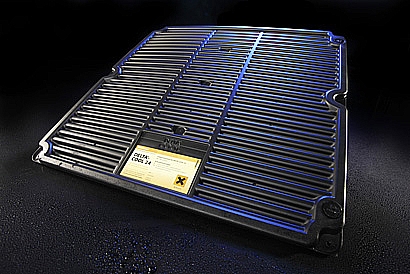
Sistemul Delta Cool 24 a fost dezvoltat de Cosella-Dörken pentru a asigura un confort termic sporit în spațiile de birouri, în special pentru răcirea (extra) la încărcături interne mari de căldură, așa cum se întâmplă frecvent în birouri. Elementele – 610 x 610 x 71 mm – sunt realizate din polimeri și PCM-uri. Temperatura de topire este de 22-28 ° C, iar temperatura de solidificare este de 22 ° C. Căldura specifică de topire este de 158 kJ / kg. Asta înseamnă o capacitate de răcire de până la 44 Wh / kg.

Analiza costurilor pentru o simplă modificare a fazei de construcție a materialelor PCM din S.U.A. Climate(Cost Analysis of Simple Phase Change Material-Enhanced Building Envelopes in Southern U.S. Climates|)

În mod tradițional, designul termic al ansamblurilor de anvelope ale clădirilor se bazează pe energia staționară curge. Lucrări de proiectare pentru a sprijini dezvoltarea de case de foarte scăzut de energie arată că convenționale izolațiile nu pot fi întotdeauna cea mai rentabilă soluție energetică pentru îmbunătățirea temperaturii termice performanța plicului clădirii. Acest raport se concentrează pe construirea de plicuri care au fost îmbunătățită cu materiale de schimbare a fazei (PCM), care pot reduce simultan răcirea totală încărcări și schimbări de încărcătură de vârf.
Cercetătorii de la Centrul Fraunhofer pentru sisteme de energie durabilă au realizat o economie analiză pentru a evalua eficiența costurilor pentru plicurile simple pentru clădiri îmbunătățite cu PCM și determină nivelurile de cost țintă la care PCM-urile pot fi competitive în raport cu costurile convenționale construirea izolațiilor termice. Echipa de studiu a selectat două aplicații PCM de bază pentru analiză: aplicații PCM dispersate și produse simple de placă de construcție utilizând PCM concentrate. În în afară de descrierea activității lui Fraunhofer, acest raport rezumă rezultatele anterioare studiile experimentale și teoretice care au fost realizate în America de Nord pentru a înțelege performanța plicurilor pentru clădiri îmbunătățite prin PCM. Echipa de studiu a folosit aceste rezultate ca benchmark-uri de performanță pentru diferite configurații PCM testate în Statele Unite pentru diferite aplicații în construcții. Această lucrare nu a încercat totuși să optimizeze configurațiile PCM-urilor. Aplicații ale sistemelor de construcție în care materialele îmbunătățite cu PCM se confruntă cu interiorul clădirea depinde de sistemele HVAC sau de pre-răcire pe parcursul nopții pentru a elimina căldura absorbită de PCM în timpul zilei. Pentru aplicațiile plăcilor de gips expandate cu PCM în pereți, energia de răcire economiile variind între 7% și 20% au fost raportate anterior de mai multe grupuri de cercetare din România diferite locații din S.U.A. Urmând aceste date experimentale istorice, în această lucrare, răcire de 15% economisirea de energie a fost luată în considerare pentru aplicațiile PCM-board îmbunătățite din gips carton. Pentru PCMenhanced aplicații de gips carton în Phoenix, Arizona, echipa de studiu a estimat o amortizare perioada de 7 ani pentru PCM de entalpii între 82 și 95 Btu / lb (190 și 220 kJ / kg) cu un limita de pret de 3.00 USD / lb, luand in considerare ratele reduse de energie electrica in afara orelor de varf. În mod similar, perioada de returnare a fost stabilită pentru un nivel al prețului PCM de maximum 3,50 USD / lb. O alta constatarea lucrării a fost că aplicarea unui subțire 3/8-in. (1 cm) care conține PCM în combinație cu umpluturi de carbon sau grafit (pentru a crește conductivitatea termică) poate fi considerată o alternativă pentru îmbunătățirea performanțelor și reducerea costurilor. În cele din urmă, echipa de studiu a analizat câteva metode potențiale pentru reducerea costurilor viitoare pentru PCMenhanced aplicații pentru clădiri. În special, din perspectiva materialelor, dezvoltarea tehnologiile ulterioare ar putea juca un rol cheie în reducerea prețurilor PCM în viitor: (1) mai ieftin metode de microîncapsulare sau microparticulare pentru PCM organice, (2) microîncapsulare cu PCM anorganice și (3) PCM anorganice și biobazate mai puțin costisitoare cu entalpii mai mari

Materiale cu schimbare de faza

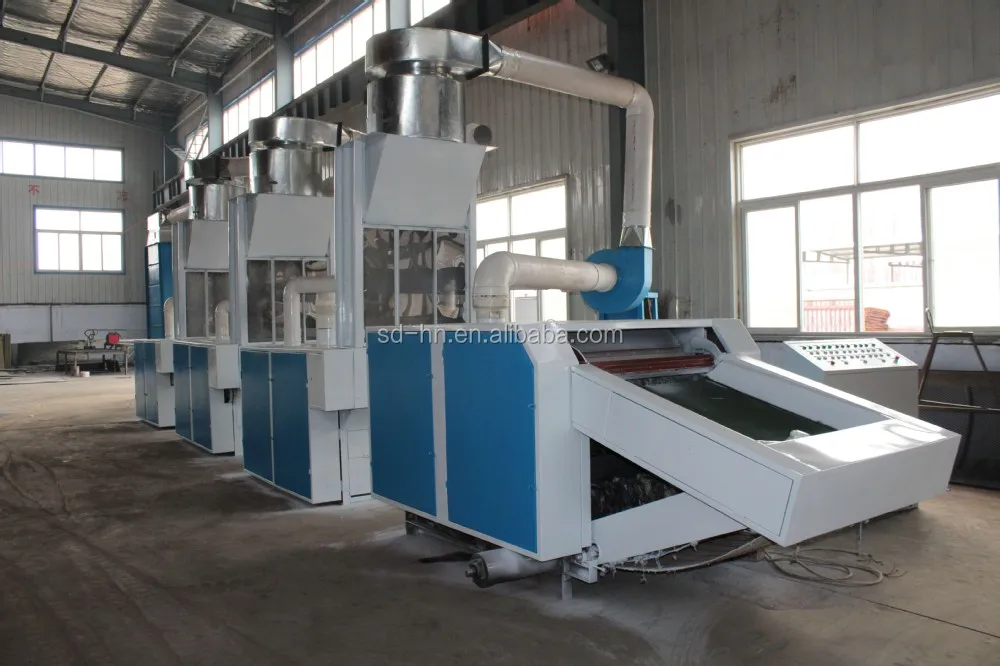
Mașină de reciclare a deșeurilor de bumbac

reciclare a deșeurilor de bumbac, canepa,etc

Mașină de reciclare a deșeurilor de bumbac

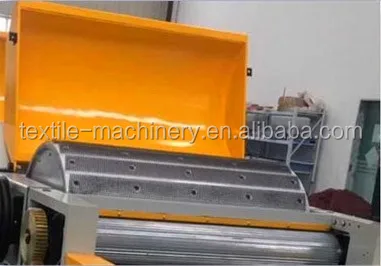
1. Introducere rapidă a  mașinii de reciclare a deșeurilor de bumbac

Mașina de reciclare a deșeurilor de pânză este utilizată pentru reciclarea deșeurilor  textile / îmbrăcăminte / cârpă /

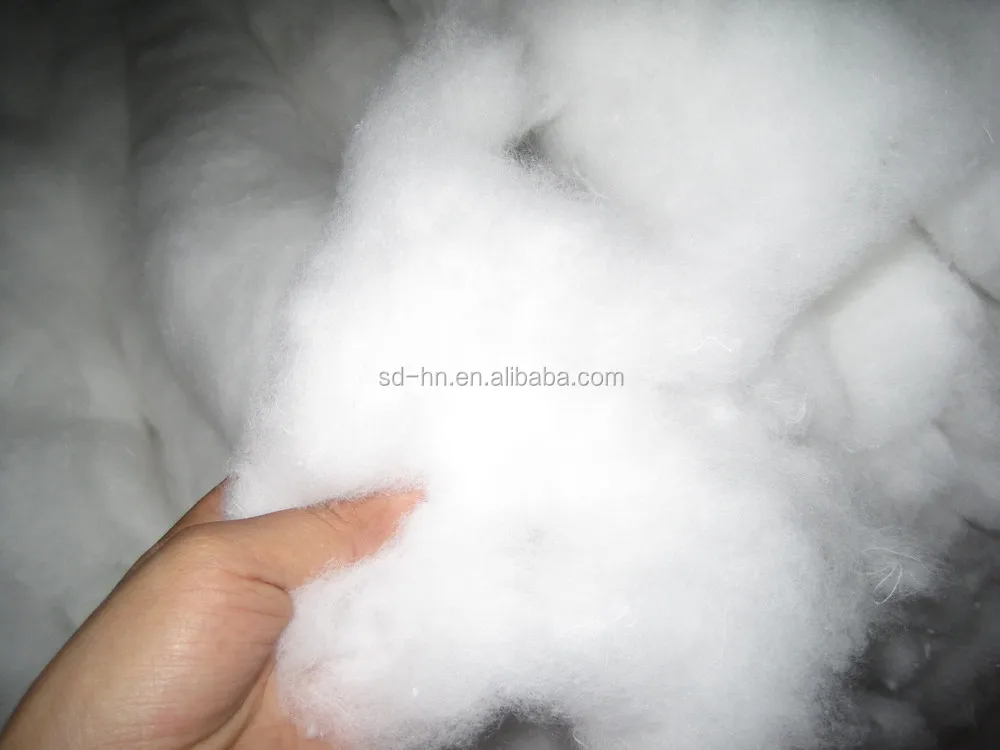
bumbac în fibre noi. Fibrele noi pot fi folosite pentru umplere, realizarea de fire și  așa mai departe.

Capacitate mare

Înalte quailty

Efect ridicat

Ușor de utilizat

2.Note

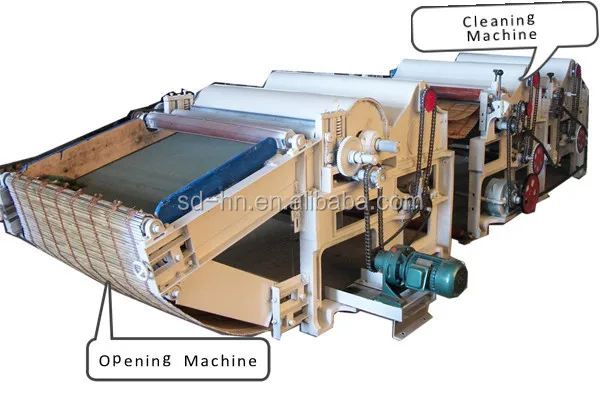
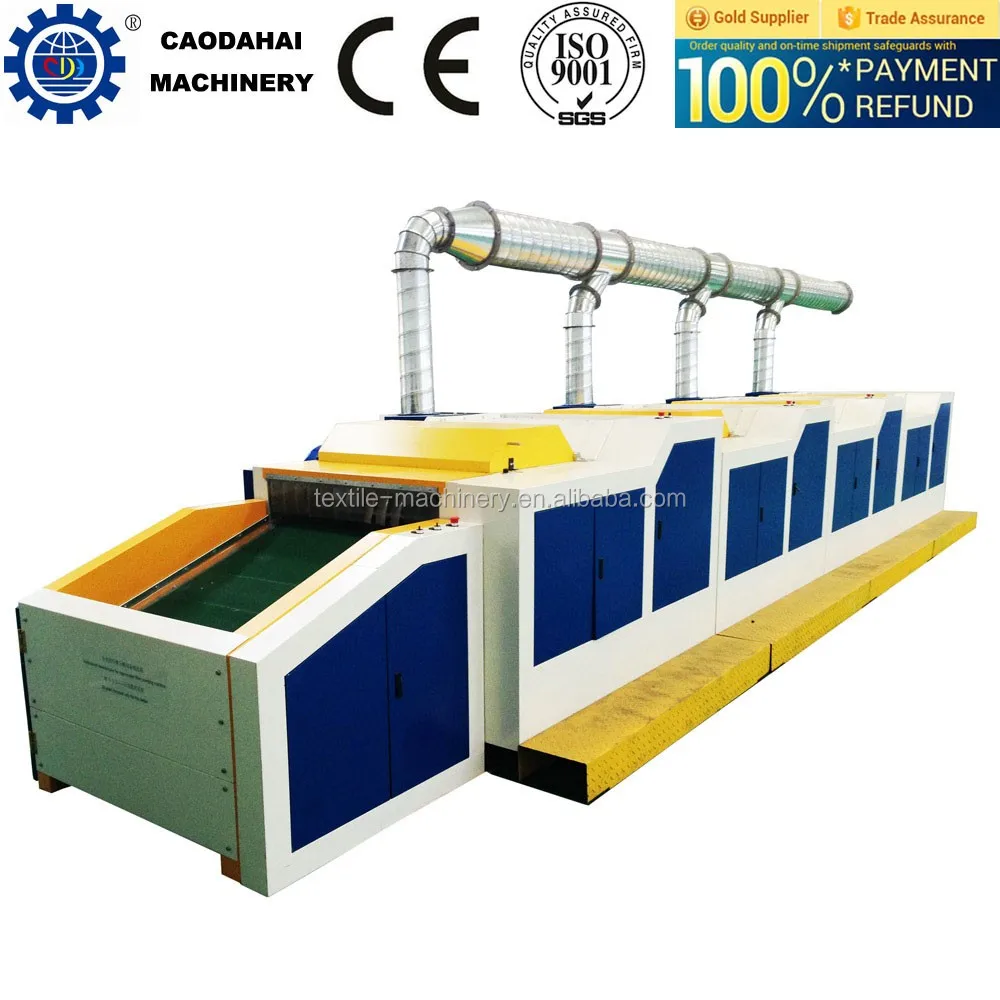
Această linie de mașini de reciclare a deșeurilor constă în deschiderea mașinii și a mașinii de curățat.Masina de deschidere este utilizată în principal pentru deschiderea fibrelor chimice, a deșeurilor textile, a firelor de deșeuri, a hârtiei, a rămășițelormateriale  și deșeuri nețesute. Deschizătorul nostru utilizează cea mai avansată tehnologie și are caracteristici de design compact, ușor  de operat, reducând costurile.

Mașina de curățat este folosită în principal în combinație cu mașina de deschidere, atunci vor fi complet de reciclare a deșeurilor  . Mașina de curățat poate fi utilizată și ea singură.

În funcție de materialul diferit, mașina de deschidere poate fi schimbată în alt model, mașina de curățare   poate fi schimbată.

Dimensiunile mașinii noastre de deschidere: GM400, GM500, GM550, GM600

Dimensiunea mașinii de curățat: GM400, GM250

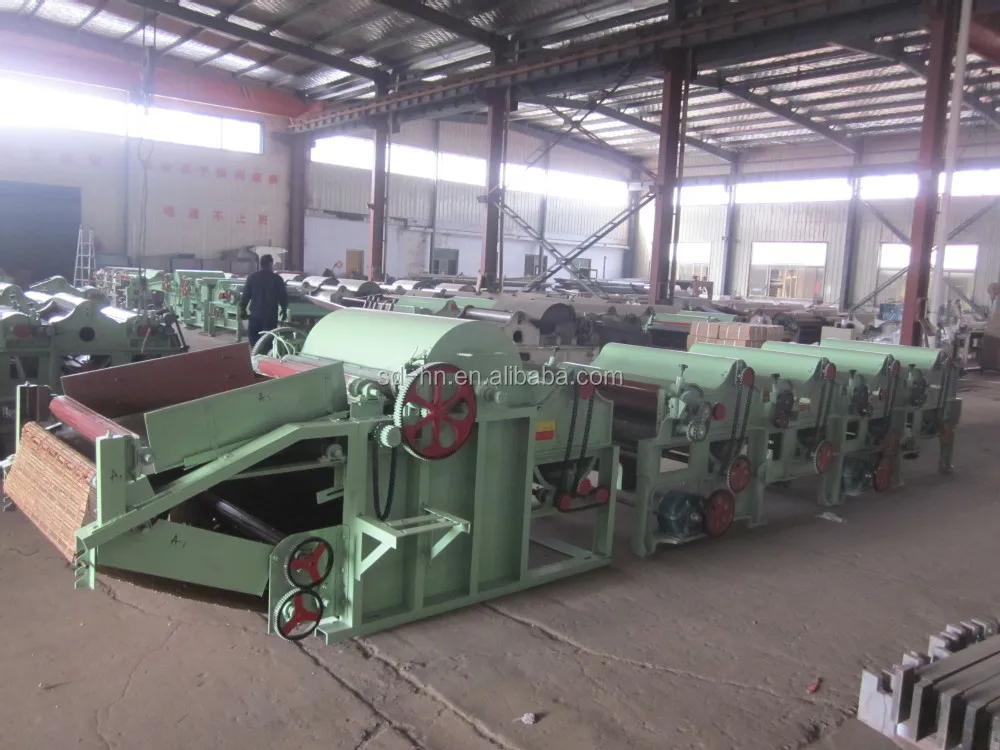
Următoarele este linia noastră de  mașini de reciclare a deșeurilor de bumbac

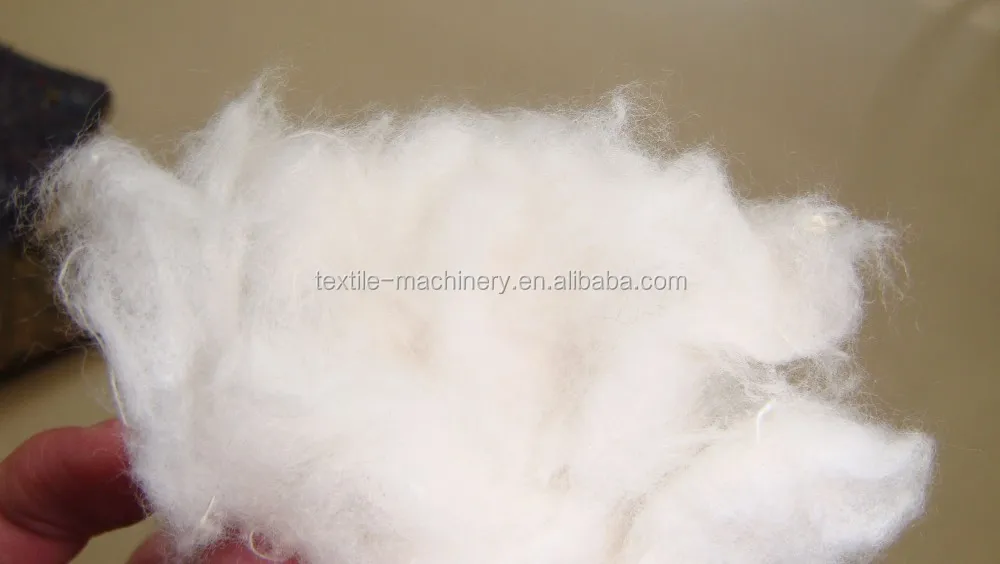
Mașină de reciclare a deșeurilor de bumbac / fibre textile reciclate


Mașină de reciclare a deșeurilor de bumbac / fibre textile reciclate

Produse

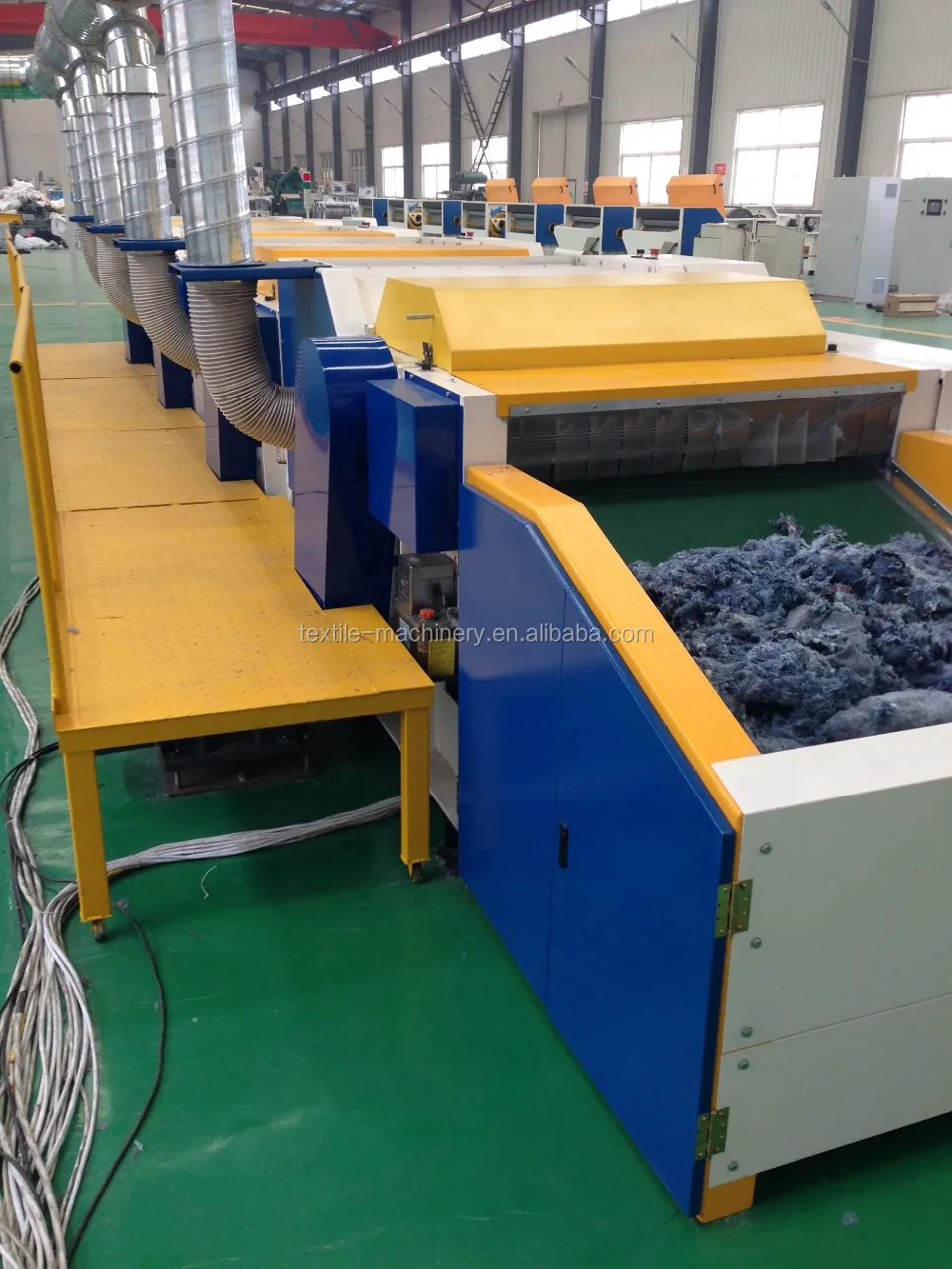
Mașină de reciclare a deșeurilor de bumbac / fibre textile reciclate


Mașină / mașină de reciclare a deșeurilor de bumbac

Mașină de reciclare a deșeurilor de bumbac

Aplicarea produselor

Mașină de reciclare a materialelor
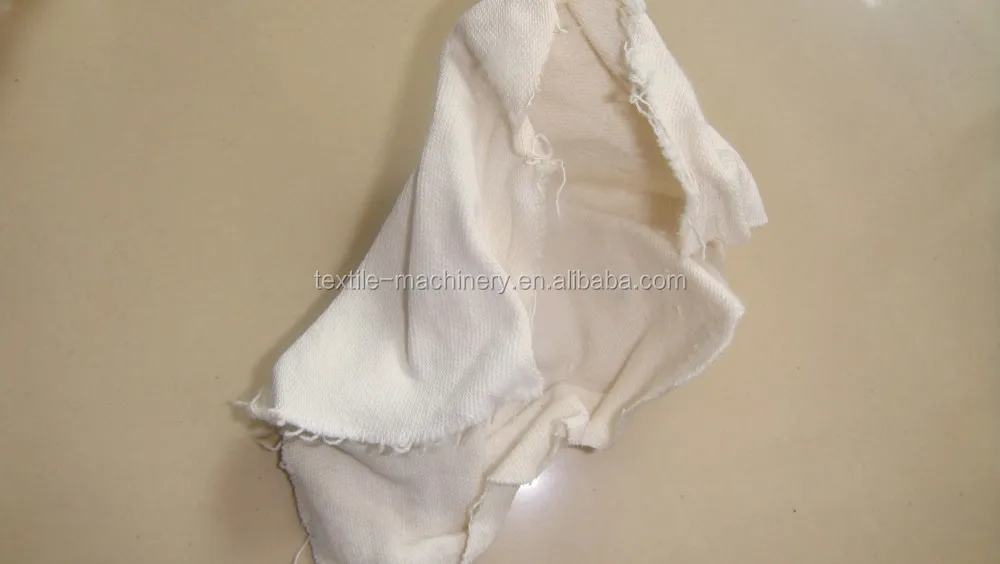
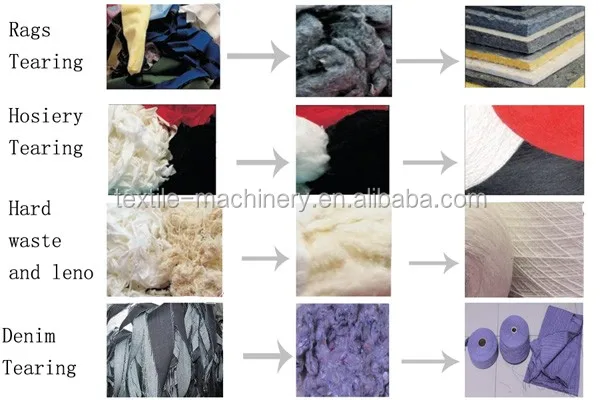
Mașina de reciclare a materialului poate recicla cele mai multe tipuri de materii prime textile, cum ar fi deșeurile de bumbac, deșeurile de bumbac, deșeurile de fibre, diverse fibre chimice, lenjeria de corp, lana, firele de deșeuri textile, hainele deșeurilor, materialele rămase din materiale textile, materiale, etc.
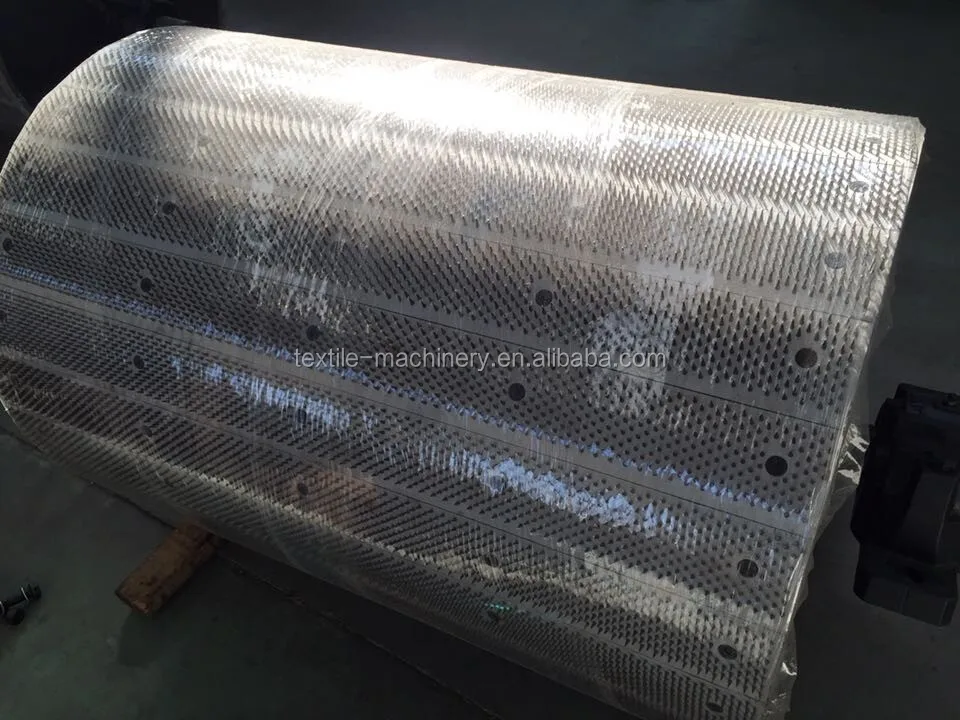
Mașina poate deschide și desface materialul și poate elimina impuritățile prin forța centrifugă generată de rotația de mare viteză a rolei.

Lungimea fibrei poate fi menținută și poate reduce daunele aduse fibrei.

Modelul adecvat al mașinii afectat de materia primă și calitatea necesară.

SPECIFICAȚII
Model
K600-N
K6150-N
K700-N
K700-N
Capacitate
240-320kg / h
400-500kg / h
450-550kg / h
700-850kg / h
Diametrul cilindrului
600mm
600mm
740mm
740mm
Putere
30×15 (N-1) kw
37 + 18,5 (N-1) kw
37 + 18,5 (N-1) kw
45 + 22 (N-1) kw
Lățimea de lucru
1000mm
1500mm
1000mm
1500mm
Voltaj
380V / 50Hz 3 faze
380V / 50Hz 3 faze
380V / 50Hz 3 faze
380V / 50Hz 3 faze
Greutate netă
800 kg kg
1100XN kg
1100XN kg
1500 kg / kg
Dimensiune
(1100 + 1900N) X1800X1450mm
(1100 + 1900N) X2300X1450mm
(1100 + 2100N) X2300X1450mm
Imagini detaliate
http://www.alibaba.com/product-detail/Fabric-textile-cotton-waste-recycling-machine_60759423397.html?spm=a2700.7735675.2017115.9.J3x97c&s=p