Filme funcționale realizate din minerale și coloranți din argilă ecologică(Functional films made of environmentally friendly clay minerals and dyes)

au creat un film hibrid transparent care imbina mineralele naturale de argila si coloranti intr-un material care schimba culoarea ca raspuns la umiditatea mediului. Schimbarea culorii nu implică ruperea legăturilor chimice; echipa a descoperit un mecanism nou care face procesul ușor de reversibil, pentru o funcționalitate de lungă durată folosind materiale ecologice. Aplicațiile includ senzori de mediu și amplificarea luminii de ultimă oră în afișaje.

Posted: May 17, 2018

Functional films made of environmentally friendly clay minerals and dyes

(Nanowerk News) Researchers from Tokyo Metropolitan University and Shimane University have created a transparent hybrid film that combines natural clay minerals and dyes into a material that changes color in response to environmental humidity. The color change does not involve breaking chemical bonds; the team uncovered a novel mechanism that makes the process easily reversible, for long-lasting functionality using environmentally friendly materials. Applications include environmental sensors, and state-of-the-art light amplification in displays.

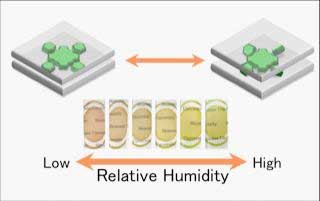
Transparent hybrid film composed of environmentally friendly clay minerals and dyes, that changes color with humidity
Transparent hybrid film composed of environmentally friendly clay minerals and dyes, that changes color with humidity via a novel mechanism. (Image: Shinsuke Takagi)
Combining dyes with a wide range of natural minerals like clathrates (clays) and zeolites (porous rock) is a widely applied, promising strategy for creating hybrid materials that can interact with light, or „chromic” materials.
The physical structure of these materials plays a key role; tiny, nanometer-sized cavities play host to light-sensitive molecules which behave differently from when they are free in solution, with potential applications to light emitting devices, light harvesting (like in solar cells) and novel sensors.
A team led by Prof Takuya Fujimura from the Department of Physics and Materials Science, Shimane University, and Prof Shinsuke Takagi from the Department of Applied Chemistry, Tokyo Metropolitan University, have created a transparent film made of an environmentally-friendly clay mineral and a dye, magnesium porphyrin, that changes color in response to humidity (Langmuir, „Optical Humidity Sensing Using Transparent Hybrid Film Composed of Cationic Magnesium Porphyrin and Clay Mineral”).
What makes this film special is the mechanism by which it achieves such a striking change. Clays have a layered structure, with nanometer-scale thin spaces in between. The team made a technical breakthrough in getting the dye into these gaps without forming aggregates, to ensure an effective response. The clay layers change their spacing in response to humidity; the confinement of the dye changes.
More specifically, the electrons surrounding the dye molecule, particularly those involved in how it interacts with light, are made to line up with certain chemical groups in the clay, dramatically changing its color. Note that no chemical bonds are broken or made. This makes the film more compatible with repeated switching, with less degradation of the material.
The film is not just more durable. Both the clay and dye could be naturally derived materials. That means lower cost, improved safety and enhanced compatibility with the environment. The team hopes to apply the film and new mechanism to sensors and amplification in light emitting devices.
Source: Tokyo Metropolitan University

Flexibilitate, foarte eficientă recoltare de energie multimodală(Flexible, highly efficient multimodal energy harvesting)

„Vedem că acest compozit 3D are o putere de producție mult mai mare în diferite moduri”, a spus Wang. Putem să o întindem, să o îndoim, să o apăsăm. Și, în același timp, poate fi folosit ca recoltă de energie pirolectrică dacă există un gradient de temperatură de cel puțin câteva grade. „Dar aceste materiale sunt relativ ineficiente, deoarece, la încărcarea mecanică, energia mecanică este în cea mai mare parte absorbită de cea mai mare parte a polimerului, cu o fracțiune foarte mică transferată la nanoparticulele piezo. În timp ce adăugați mai mult ceramică ar crește eficiența energetică, vine cu compromisul de flexibilitate mai mică.

Posted: May 17, 2018

Flexible, highly efficient multimodal energy harvesting

(Nanowerk News) A piezoelectric ceramic foam supported by a flexible polymer support provides a 10-fold increase in the ability to harvest mechanical and thermal energy over standard piezo composites, according to Penn State researchers (Energy and Environmental Science, „Flexible three-dimensional interconnected piezoelectric ceramic foam based composites for highly efficient concurrent mechanical and thermal energy harvesting”).

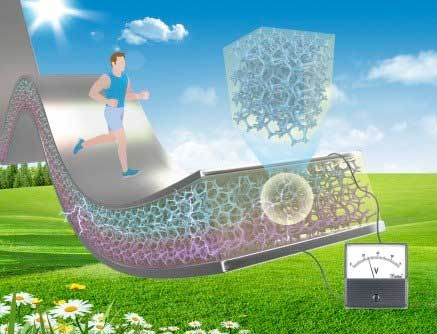
A flexible ceramic foam for energy harvesting
A flexible ceramic foam for energy harvesting. (Image: Wang Lab/Penn State)
In the search for ways to harvest small amounts of energy to run mobile electronic devices or sensors for health monitoring, researchers typically add hard ceramic nanoparticles or nanowires to a soft, flexible polymer support. The polymer provides the flexibility, while the piezo nanoparticles convert the mechanical energy into electrical voltage.
But these materials are relatively inefficient, because upon mechanical loading the mechanical energy is largely absorbed by the bulk of the polymer, with a very small fraction being transferred to the piezo nanoparticles. While adding more ceramic would increase the energy efficiency, it comes with the tradeoff of less flexibility.
“The hard ceramics in the soft polymer is like stones in water. You can slap the surface of the water, but little force is transferred to the stones,” said Qing Wang, professor of materials science and engineering, Penn State. “We call that strain-transfer capability.”
Almost three decades ago, the late Penn State materials scientist Bob Newnham came up with the concept that the connectivity of the piezo filler determined the efficiency of the piezoelectric effect. A three-dimensional material would be more efficient than what he classified as 0D nanoparticles, 1D nanowires or 2D films, because the mechanical energy would be transported directly through the 3D material instead of dissipating into the polymer matrix.
“Bob Newnham was a legend in the field of piezoelectrics,” said Wang, “So everybody in the ceramic community knew of his approach, but how to achieve that 3D structure with a well-defined microstructure remained a mystery.”
The secret ingredient to solve the mystery turned out to be a cheap polyurethane foam dusting sheet that can be purchased at any home improvement store. The small uniform protrusions on the sheet act as a template for forming the microstructure of the piezoelectric ceramic. The researchers applied the ceramic to the polyurethane sheet in the form of suspended nanoparticles in solution. When the template and solution are heated to a high enough temperature, the sheet burns out and the solution crystalizes into a solid 3D microform foam with uniform holes. They then fill the holes in the ceramic foam with polymer.
“We see that this 3D composite has a much higher energy output under different modes,” said Wang. “We can stretch it, bend it, press it. And at the same time, it can be used as a pyroelectric energy harvester if there is a temperature gradient of at least a few degrees.”
The other corresponding author on the new paper in the high-impact journal Energy and Environmental Science is Sulin Zhang, professor of engineering science and mechanics, Penn State. Zhang and his students were responsible for extensive computational work simulating the piezoelectric performance of the 3D composite.
Said Zhang, “We were able to show theoretically that the piezoelectric performance of nanoparticle/nanowire composites is critically limited by the large disparity in stiffness of the polymer matrix and piezoceramics, but the 3D composite foam is not limited by stiffness. This is the fundamental difference between these composite materials, which speaks to the innovation of this new 3D composite. Our extensive simulations further demonstrate this idea.”
Currently, Wang and collaborators are working with lead-free and more environmentally friendly alternatives to the current lead-zirconium-titanate (PZT) ceramic.
“This is a very general method,” said Wang. “This is to demonstrate the concept, based on Bob Newnham’s work. It is good to continue the work of a Penn State legend and to advance this field.”
Source: Penn State Materials Research Institute

Cercetătorii mimează fibrele de mătase de la cometă pentru a face țesături „cu aer condiționat”(Researchers mimic comet moth’s silk fibers to make ‘air-conditioned’ fabric)

În plus, reflexia ridicată a fibrelor moleculare de cometă se extinde cu mult peste spectrul vizibil în spectrul infraroșu – invizibil pentru ochiul uman, dar care conține aproximativ jumătate din energia solară. Aceasta, împreună cu abilitatea fibrelor de a absorbi lumina ultravioletă (UV), le face ideale pentru blocarea luminii solare, care conține componente UV, vizibile și infraroșii.Aceste fibre bioinpuse ar putea fi utilizate pentru fabricarea de îmbrăcăminte de vară ultra-subțiri cu proprietăți de „aer condiționat”. Doar câteva straturi de fibre ar putea face o textura total opacă, care este o fracțiune dintr-o foaie de hârtie în grosime. Cu toate acestea, nu ar deveni translucid atunci când purtătorul suflă, ceea ce este o problemă obișnuită cu textilele convenționale. În timp ce transpirația reduce opacitatea țesăturilor obișnuite prin reducerea numărului de interfețe de fibră-aer care reflectă lumina, nu ar afecta golurile de aer la scară nanometrică înglobate în fibrele bioinsușoare. În plus, îmbrăcămintea ultra-subțire realizată din fibrele „poroase” ar promova răcirea printr-o combinație de evaporare a transpirației, a fluxului de aer între micromediul corpului uman și exterior și radiația căldurii corporale în mediul extern.

Posted: May 17, 2018

Researchers mimic comet moth’s silk fibers to make ‘air-conditioned’ fabric

(Nanowerk News) Fabrics made from silkworm fibers have long been treasured for their beautiful luster and refreshing coolness. Columbia Engineering researchers have discovered that fibers produced by the caterpillars of a wild silk moth, the Madagascar comet moth (Argema mittrei), are far superior in terms of brilliance and cooling ability. Not only do the comet moth’s cocoon fibers have outstanding cooling properties, they also have exceptional capabilities for transmitting light signals and images.

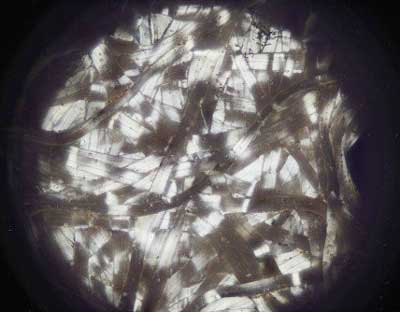
Madagascar comet moth cocoon fibers have a highly metallic sheen.
Madagascar comet moth cocoon fibers have a highly metallic sheen. (Image: Norman Shi and Nanfang Yu/Columbia Engineering)
Led by Nanfang Yu, associate professor of applied physics, the team characterized the optical properties associated with one-dimensional nanostructures they found in comet moth cocoon fibers. They were so fascinated by the unusual properties of these fibers that they developed a technique to spin artificial fibers that mimic the nanostructures and optical properties of the natural fibers.
The study is published today in Light: Science & Applications („Nanostructured fibers as a versatile photonic platform: Radiative cooling and waveguiding through transverse Anderson localization”).
“The comet moth fibers are the best natural fibrous material to block sunlight we’ve ever seen. Synthesizing fibers possessing similar optical properties could have important implications for the synthetic fiber industry,” said Yu, an expert in nanophotonics. “Another amazing property of these fibers is that they can guide light signals or even transport simple images from one end to the other end of the fiber. This means we might be able to use them as a biocompatible and bioresorbable material for optical signal and image transport in biomedical applications.”
While individual fibers produced by our domesticated silkworms look like solid, transparent cylinders under an optical microscope, the individual thread spun by the comet moth caterpillars has a highly metallic sheen. The comet moth fibers contain a high density of nanoscale filamentary air voids that run along the fibers and cause strong specular (mirror-like) reflection of light.
A single fiber with the thickness of a human hair, about 50 microns in diameter, reflects more than 70% of visible light. In contrast, for common textiles, including silk fabrics, to reach such level of reflectivity, one has to put together many layers of transparent fibers for a total thickness of about 10 times that of a single comet moth fiber.
In addition, the high reflectivity of comet moth fibers extends well beyond the visible range into the infrared spectrum—invisible to the human eye but containing about half of the solar power. This, together with the fibers’ ability to absorb ultra violet (UV) light, makes them ideal for blocking sunlight, which contains UV, visible, and infrared components.
Scanning electron micrographs of man-made fibers emulating the optical properties of comet moth cocoon fibers
Scanning electron micrographs of man-made fibers emulating the optical properties of comet moth cocoon fibers. Top row: Transverse and longitudinal cross-sections, respectively, of a synthesized fiber made of regenerated silk containing a high density of filamentary air voids. Bottom row: Corresponding images of a PVDF (polyvinylidene difluoride) fiber containing a high density of filamentary voids. (Image: Norman Shi and Nanfang Yu/Columbia Engineering)
The ability of comet moth fibers to guide light is an effect known as transverse Anderson localization, and is a result of the filamentary air voids along the fibers: the air voids cause strong optical scattering in the fiber cross-section, providing sideways confinement of light, but presenting no impediment for light propagation along the fibers.
“This form of light guiding—confining light to propagate within the interior of a strand of material with no sideways light leakage—is very different from the one utilized in light transmission through undersea fiber-optic cables, where light confinement is provided by reflection at the boundary between a fiber core and a cladding layer,” said Norman Shi, lead author of the paper and a PhD student recently graduated from Yu’s lab, said. “This is the first time transverse Anderson localization has been discovered in a natural materials system. Our finding opens up potential applications in light guiding, image transport, and light focusing where biocompatibility is required.”
Once Yu’s team had characterized the comet moth fibers, they then set to inventing novel fiber pulling methods that emulate the fiber spinning mechanism of the comet moth caterpillar to create fibers embedded with a high density of particulate or filamentary voids. The researchers achieved a density of voids several times higher than that found in the natural fibers: a single bioinspired fiber is able to reflect ~93% of sunlight. They produced these bioinspired fibers using two materials: a natural material (regenerated silk, i.e., liquid precursor of silk fibers) and a synthetic polymer (polyvinylidene difluoride). While the former is suitable for applications requiring biocompatibility, the latter is suitable for high throughput production.
“The single major difference between our bioinspired fibers and fibers used universally for textiles and apparel is that the bioinspired fibers contain engineered nanostructures, whereas conventional fibers all have a solid core,” Yu said. “The capability of structural engineering on the tiny cross-section of a fiber via a high-throughput, high-yield fiber spinning process opens up a new dimension of design—we can infuse completely novel optical and thermodynamic functions into fibers and textiles composed of such fibers. We could transform the synthetic fiber industry!”
These bioinspired fibers could be used for making ultra-thin summer clothing with “air conditioning” properties. Just a few layers of the fibers could make a totally opaque textile that is a fraction of a sheet of paper in thickness. Yet it wouldn’t become translucent when the wearer sweats, which is a common problem with conventional textiles. While sweat reduces the opaqueness of common fabrics by reducing the number of fiber-air interfaces that reflect light, it would not affect the nanoscale air voids embedded in the bioinspired fibers. In addition, ultra-thin apparel made of the “porous” fibers would promote cooling through a combination of sweat evaporation, air flow between the microenvironment of the human body and the exterior, and radiation of body heat to the external environment. “Thus, your clothes could give you the ultimate cooling experience through the collective effect of evaporative, convective, and radiative cooling,” Yu added.
The Madagascar comet moth is one of the largest in the world, with cocoons spanning 6 to 10 cm in length. The caterpillars make their cocoons in the tree canopy of Madagascar, with plenty of sunlight that could drastically heat the pupae if their cocoons did not possess their reflective metallic sheen. These extraordinary fibers, whose filamentary air voids could be the result of natural selection to prevent overheating, were brought to Yu’s attention by Catherine Craig, director of the NGO Conservation through Poverty Alleviation, International. CPALI works with rural farmers in Madagascar to develop sustainable livelihoods that support both people and ecosystems by cultivating and marketing native resources, one product being the fibers produced by the caterpillars of the comet moth.
Yu is currently working on increasing the throughput of producing such bioinspired nanostructured fibers. His lab wants to achieve this with minimal modifications to the common practice of industrial fiber pulling.
“We don’t want to drastically change those gigantic fiber spinning machines in use throughout the industry,” said Yu. “Instead we want to introduce clever twists to a few critical steps or components so these machines can produce nanostructured, rather than solid, fibers.”
Source: Columbia University

Cel mai puternic bio-material din lume depășește performanța oțelului și a păianjenului(World’s strongest bio-material outperforms steel and spider silk)

La sursa de lumină de la DESY, sursa de lumină PETRA III, o echipă condusă de cercetători suedezi a produs cel mai puternic bio-material care a fost produs vreodată. Fibrele de celuloză artificiale, dar biodegradabile, sunt mai puternice decât oțelul și chiar și mătasea de păianjen, care este, de obicei, considerată cel mai puternic material bazat pe bio.

Posted: May 16, 2018

World’s strongest bio-material outperforms steel and spider silk

(Nanowerk News) At DESY’s X-ray light source PETRA III, a team led by Swedish researchers has produced the strongest bio-material that has ever been made. The artifical, but bio-degradable cellulose fibres are stronger than steel and even than dragline spider silk, which is usually considered the strongest bio-based material. The team headed by Daniel Söderberg from the KTH Royal Institute of Technology in Stockholm reports the work in the journal ACS Nano („Multiscale Control of Nanocellulose Assembly: Transferring Remarkable Nanoscale Fibril Mechanics to Macroscale Fibers”).

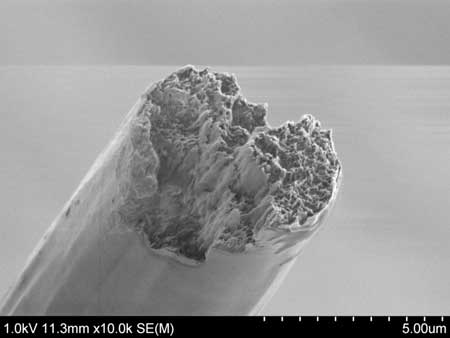
An artificial cellulose fiber made from cellulose nano fibrils seen with a scanning electron microscop
An artificial cellulose fiber made from cellulose nano fibrils seen with a scanning electron microscope. (Image: Nitesh Mittal, KTH Stockholm)
The ultrastrong material is made of cellulose nanofibres (CNF), the essential building blocks of wood and other plant life. Using a novel production method, the researchers have successfully transferred the unique mechanical properties of these nanofibres to a macroscopic, lightweight material that could be used as an eco-friendly alternative for plastic in airplanes, cars, furniture and other products. „Our new material even has potential for biomedicine since cellulose is not rejected by your body”, explains Söderberg.
The scientists started with commercially available cellulose nanofibres that are just 2 to 5 nanometres in diameter and up to 700 nanometres long. A nanometre (nm) is a millionth of a millimetre. The nanofibres were suspended in water and fed into a small channel, just one millimetre wide and milled in steel. Through two pairs of perpendicular inflows additional deionized water and water with a low pH-value entered the channel from the sides, squeezing the stream of nanofibres together and accelerating it.
This process, called hydrodynamic focussing, helped to align the nanofibres in the right direction as well as their self-organisation into a well-packed macroscopic thread. No glue or any other component is needed, the nanofibres assemble into a tight thread held together by supramolecular forces between the nanofibres, for example electrostatic and Van der Waals forces.
With the bright X-rays from PETRA III the scientists could follow and optimise the process. „The X-rays allow us to analyse the detailed structure of the thread as it forms as well as the material structure and hierarchical order in the super strong fibres,” explains co-author Stephan Roth from DESY, head of the Micro- and Nanofocus X-ray Scattering Beamline P03 where the threads were spun. „We made threads up to 15 micrometres thick and several metres in length.”
Measurements showed a tensile stiffness of 86 gigapascals (GPa) for the material and a tensile strength of 1.57 GPa. „The bio-based nanocellulose fibres fabricated here are 8 times stiffer and have strengths higher than natural dragline spider silk fibres,” says Söderberg. „If you are looking for a bio-based material, there is nothing quite like it. And it is also stronger than steel and any other metal or alloy as well as glass fibres and most other synthetic materials.”
The artificial cellulose fibres can be woven into a fabric to create materials for various applications. The researchers estimate that the production costs of the new material can compete with those of strong synthetic fabrics. „The new material can in principle be used to create bio-degradable components,” adds Roth.
The study describes a new method that mimics nature’s ability to accumulate cellulose nanofibres into almost perfect macroscale arrangements, like in wood. It opens the way for developing nanofibre material that can be used for larger structures while retaining the nanofibres’ tensile strength and ability to withstand mechanical load.
„We can now transform the super performance from the nanoscale to the macroscale,” Söderberg underlines. „This discovery is made possible by understanding and controlling the key fundamental parameters essential for perfect nanostructuring, such as particle size, interactions, alignment, diffusion, network formation and assembly.” The process can also be used to control nanoscale assembly of carbon tubes and other nano-sized fibres.
Source: Deutsches Elektronen-Synchrotron DESY

Un câine de salvare electronic(An electronic rescue dog)

Oamenii de stiinta au dezvoltat anterior senzori de gaz mici si extrem de sensibili pentru acetona, amoniac si izopren – toate produsele metabolice pe care le emitem in concentratii scazute prin respiratia sau pielea noastra. Cercetătorii au combinat acum acești senzori într-un dispozitiv cu doi senzori comerciali pentru CO 2 și umiditate.Dronții și roboții ar putea fi, de asemenea, echipați cu senzori de gaz, permițând astfel căutarea unor zone greu accesibile sau inaccesibile

Posted: May 16, 2018

An electronic rescue dog

(Nanowerk News) Trained rescue dogs are still the best disaster workers – their sensitive noses help them to track down people buried by earthquakes or avalanches. Like all living creatures, however, dogs need to take breaks every now and again. They are also often not immediately available in disaster areas, and dog teams have to travel from further afield.

A new measuring device from researchers at ETH Zurich led by Sotiris Pratsinis, Professor of Process Engineering, however, is always ready for use. The scientists had previously developed small and extremely sensitive gas sensors for acetone, ammonia, and isoprene – all metabolic products that we emit in low concentrations via our breath or skin. The researchers have now combined these sensors in a device with two commercial sensors for CO2 and moisture.
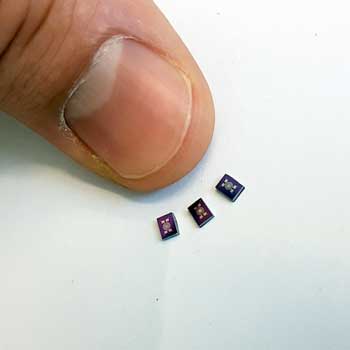
miniature gas sensor
This is an image of the three gas sensors developed at ETH Zurich. (Image: ETH Zurich / Andreas Güntner)

Chemical „fingerprint”

As shown by laboratory tests in collaboration with Austrian and Cypriot scientists, this sensor combination can be quite useful when searching for entrapped people. The researchers used a test chamber at the University of Innsbruck’s Institute for Breath Research in Dornbirn as an entrapment simulator. Volunteers each remained in this chamber for two hours.
„The combination of sensors for various chemical compounds is important, because the individual substances could come from sources other than humans. CO2, for example, could come from either a buried person or a fire source,” explains Andreas Güntner, a postdoc in Pratsinis’ group and lead author of the study, published in the journal Analytical Chemistry („Sniffing Entrapped Humans with Sensor Arrays”). The combination of sensors provides the scientists with reliable indicators of the presence of people.

Suitable for inaccessible areas

The researchers also showed that there are differences between the compounds emitted via our breath and skin. „Acetone and isoprene are typical substances that we mostly breathe out. Ammonia, however, is usually emitted through the skin,” explains ETH professor Pratsinis. In the experiments in the entrapment simulator, the participants wore a breathing mask. In the first part of the experiment, the exhaled air was channelled directly out of the chamber; in the second part, it remained inside. This allowed the scientists to create separate breath and skin emission profiles.
The ETH scientists’ gas sensors are the size of a small computer chip. „They are about as sensitive as most ion mobility spectrometers, which cost thousands of Swiss francs and are the size of a suitcase,” says Pratsinis. „Our easy-to-handle sensor combination is by far the smallest and cheapest device that is sufficiently sensitive to detect entrapped people. In a next step, we would like to test it during real conditions, to see whether it is suited for use in searches after earthquakes or avalanches.”
While electronic devices are already in use during searches after earthquakes, these work with microphones and cameras. These only help to locate entrapped people who are capable of making themselves heard or are visible beneath ruins. The ETH scientists’ idea is to complement these resources with the chemical sensors.
They are currently looking for industry partners or investors to support the construction of a prototype. Drones and robots could also be equipped with the gas sensors, allowing difficult-to-reach or inaccessible areas to also be searched. Further potential applications could include detecting stowaways and exposing human trafficking.
Source: ETH Zurich

Dispozitivul nou ar putea crește durata de viață a bateriei electronice de o sută de ori(New device could increase battery life of electronics by a hundred-fold)

a dezvoltat un material de dispozitiv care poate aborda ambele probleme. Echipa a solicitat un brevet pentru un material magnetic care utilizează o structură unică – o latură „fagure de miere” care prezintă proprietăți electronice distincte.

Posted: May 16, 2018

New device could increase battery life of electronics by a hundred-fold

(Nanowerk News) Among the chief complaints for smartphone, laptop and other battery-operated electronics users is that the battery life is too short and–in some cases–that the devices generate heat. Now, a group of physicists led by Deepak K. Singh, associate professor of physics and astronomy at the University of Missouri, has developed a device material that can address both issues. The team has applied for a patent for a magnetic material that employs a unique structure–a „honeycomb” lattice that exhibits distinctive electronic properties.

„Semiconductor diodes and amplifiers, which often are made of silicon or germanium, are key elements in modern electronic devices,” said Singh, who also serves as the principal investigator of the Magnetism and Superconductivity Research Laboratory at MU. „A diode normally conducts current and voltage through the device along only one biasing direction, but when the voltage is reversed, the current stops. This switching process costs significant energy due to dissipation, or the depletion of the power source, thus affecting battery life. By substituting the semiconductor with a magnetic system, we believed we could create an energetically effective device that consumes much less power with enhanced functionalities.”
Singh’s team developed a two-dimensional, nanostructured material created by depositing a magnetic alloy, or permalloy, on the honeycomb structured template of a silicon surface. The new material conducts unidirectional current, or currents that only flow one way. The material also has significantly less dissipative power compared to a semiconducting diode, which is normally included in electronic devices.
honeycomb structure pattern behind a magnetic device
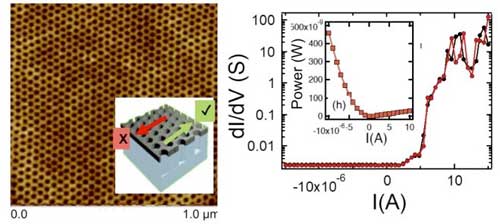
The left shows the atomic force micrograph, exhibiting honeycomb structure pattern behind a magnetic device. Inset shows the schematic of current flow direction. On the right: electrical data reveals diode-type behavior of current flowing in one direction. Inset shows that the dissipative power is of the order of nano-watt in the current flowing direction, which is at least three orders of magnitude smaller than the semiconductor diode. (Image: Deepak Singh)
The magnetic diode paves the way for new magnetic transistors and amplifiers that dissipate very little power, thus increasing the efficiency of the power source. This could mean that designers could increase the life of batteries by more than a hundred-fold. Less dissipative power in computer processors could also reduce the heat generated in laptop or desktop CPUs.
„Although more works need to be done to develop the end product, the device could mean that a normal 5-hour charge could increase to more than a 500-hour charge,” Singh said. „The device could also act as an ‘on/off switch’ for other periphery components such as closed-circuit cameras or radio frequency attenuators, which reduces power flowing through a device. We have applied for a U.S. patent and have begun the process of incorporating a spin-off company to help us take the device to market.”
The proposed startup company associated with this research, highlights the university’s impact on the state’s economic development efforts, including commercialization of research conducted at Mizzou, workforce development and job growth, quality of life improvements for residents, and attracting corporations and businesses to the state. Companies commercializing MU technologies have secured hundreds of millions of dollars in investments and grants to advance their commercialization efforts. In 2017, the Office of Technology Management and Industry Relations reported that 31 U.S. patents were issued to members of the MU community.
The studies, „Magnetic Diode Behavior at Room Temperature in 2D Honeycombs” and „Spin Solid versus Magnetic Charge Ordered State in Artificial Honeycomb Lattice of Connected Elements,” were published in Advanced Electronic Materials and Advanced Science, respectively.
Source: University of Missouri-Columbia
Subscribe to a free copy of one of our daily
Nanowerk Newsletter Email Digests
with a compilation of all of the day’s news.

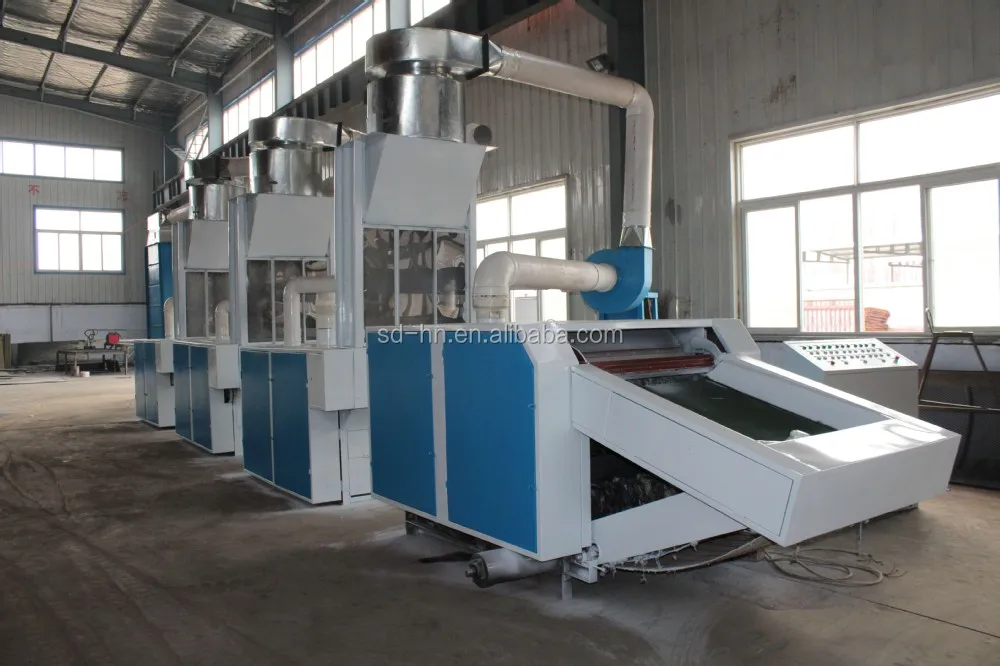
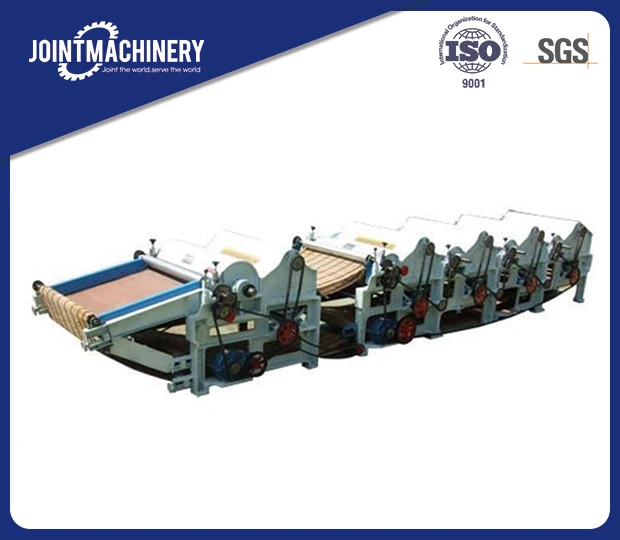
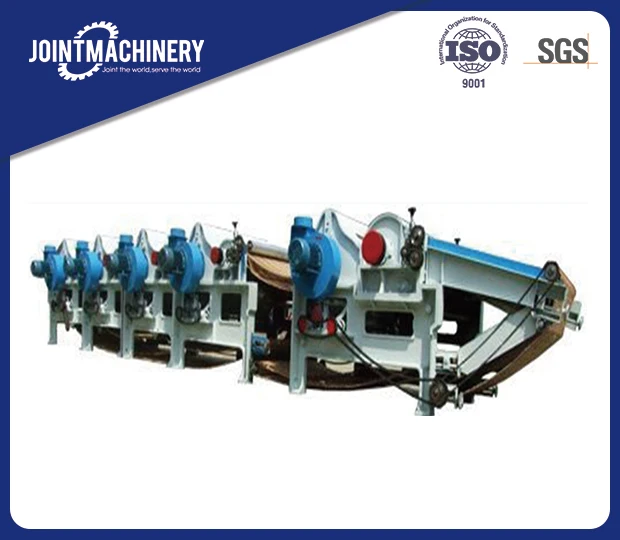
Mașină de reciclare a deșeurilor de bumbac

reciclare a deșeurilor de bumbac, canepa,etc

Mașină de reciclare a deșeurilor de bumbac

1. Introducere rapidă a  mașinii de reciclare a deșeurilor de bumbac

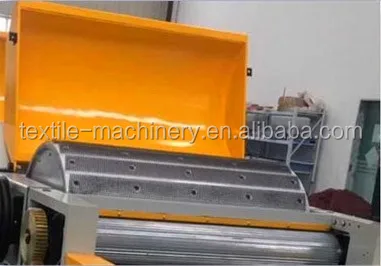
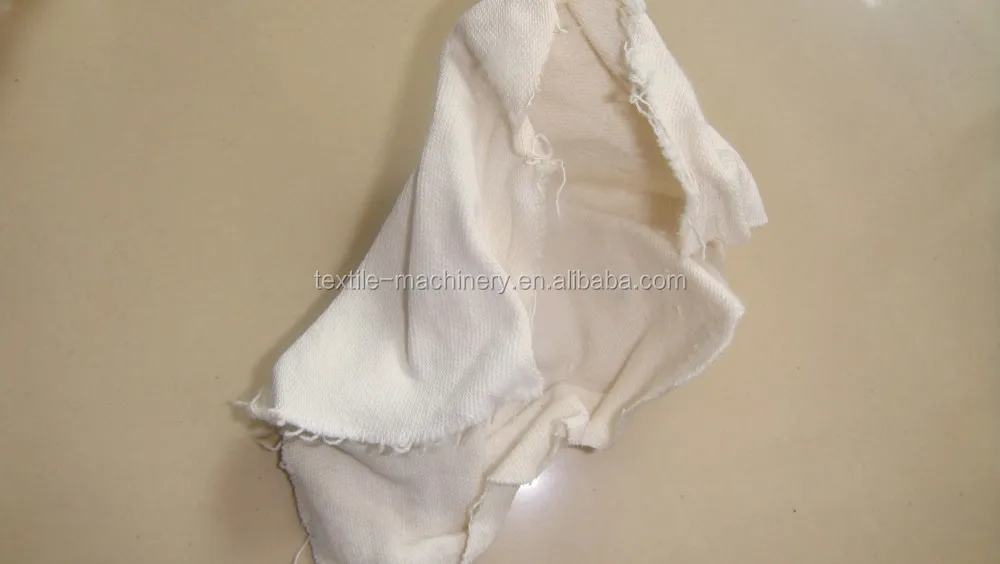
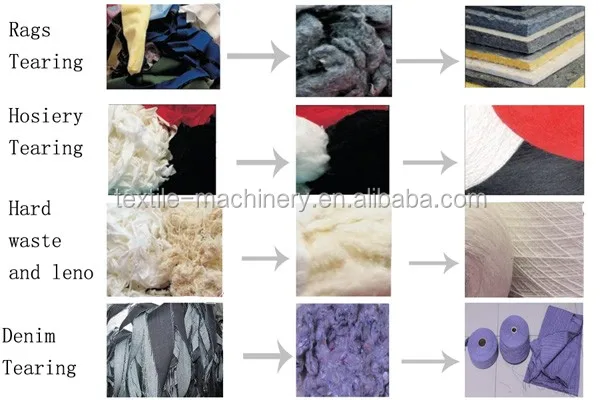
Mașina de reciclare a deșeurilor de pânză este utilizată pentru reciclarea deșeurilor  textile / îmbrăcăminte / cârpă /

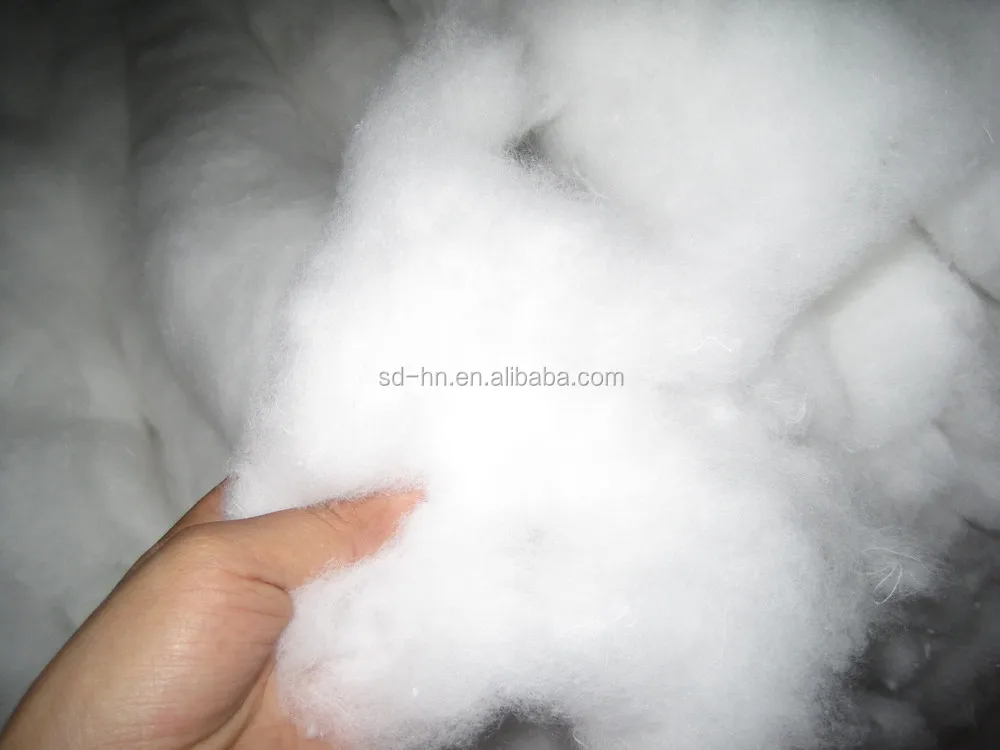
bumbac în fibre noi. Fibrele noi pot fi folosite pentru umplere, realizarea de fire și  așa mai departe.

Capacitate mare

Înalte quailty

Efect ridicat

Ușor de utilizat

2.Note

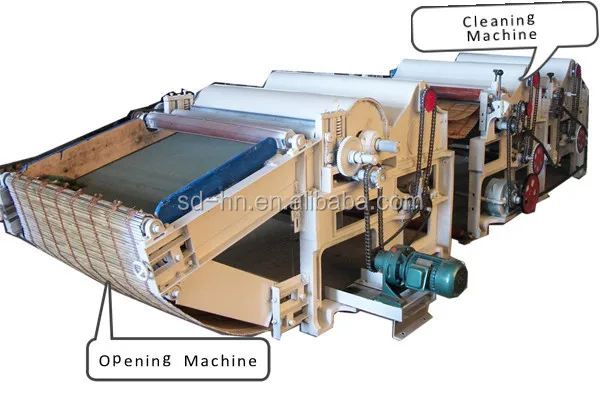
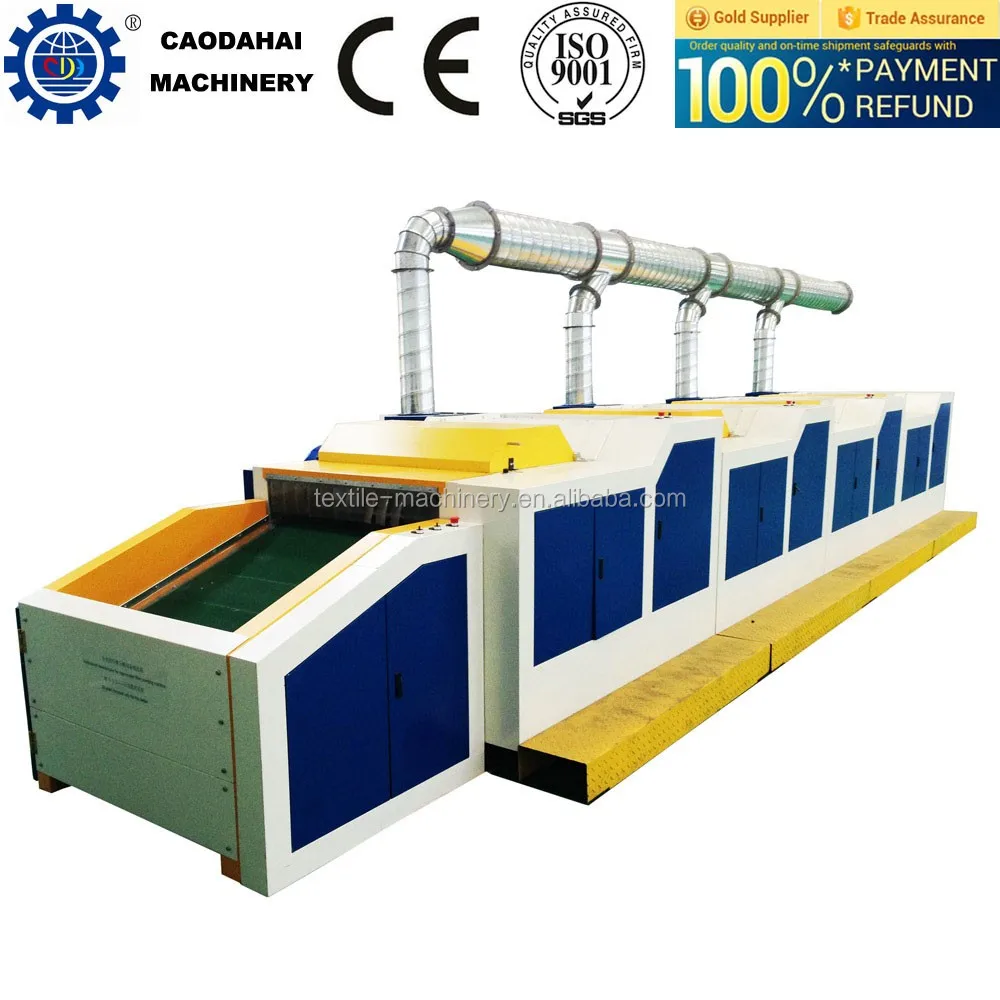
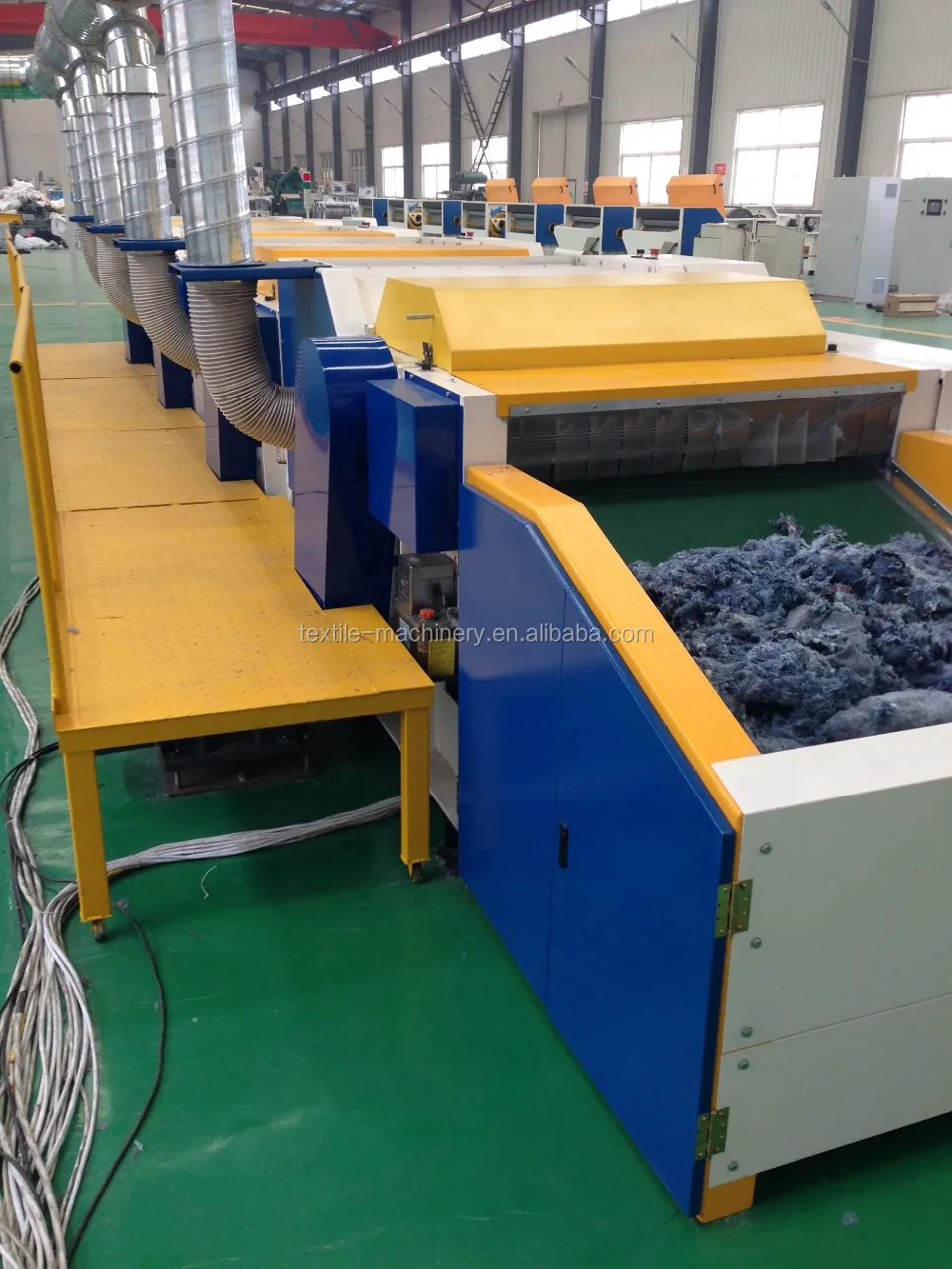
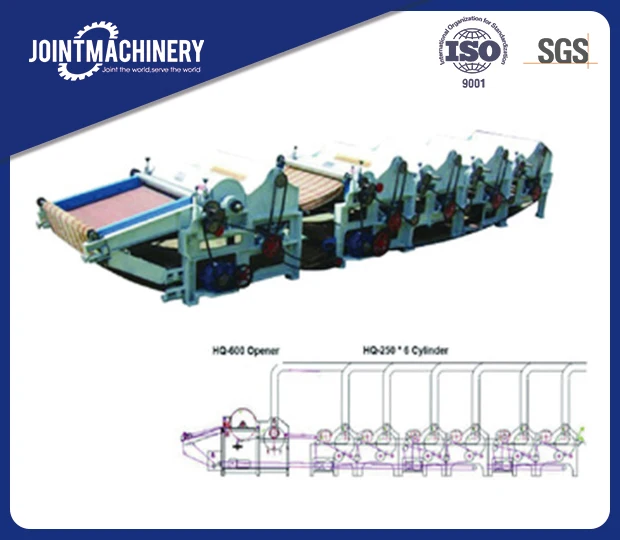
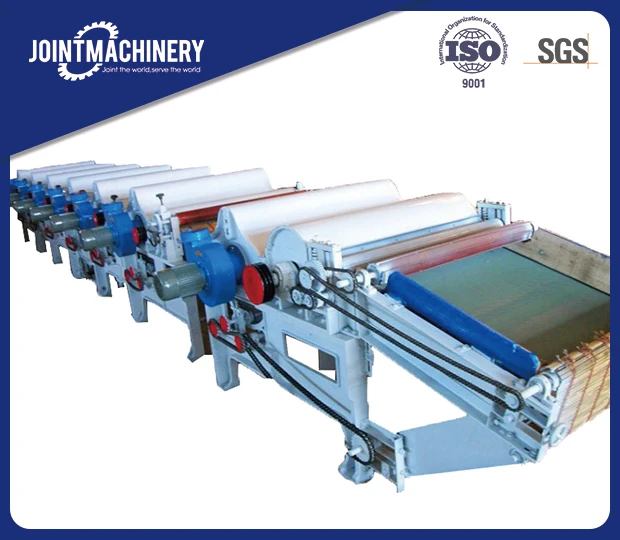
Această linie de mașini de reciclare a deșeurilor constă în deschiderea mașinii și a mașinii de curățat.Masina de deschidere este utilizată în principal pentru deschiderea fibrelor chimice, a deșeurilor textile, a firelor de deșeuri, a hârtiei, a rămășițelormateriale  și deșeuri nețesute. Deschizătorul nostru utilizează cea mai avansată tehnologie și are caracteristici de design compact, ușor  de operat, reducând costurile.

Mașina de curățat este folosită în principal în combinație cu mașina de deschidere, atunci vor fi complet de reciclare a deșeurilor  . Mașina de curățat poate fi utilizată și ea singură.

În funcție de materialul diferit, mașina de deschidere poate fi schimbată în alt model, mașina de curățare   poate fi schimbată.

Dimensiunile mașinii noastre de deschidere: GM400, GM500, GM550, GM600

Dimensiunea mașinii de curățat: GM400, GM250

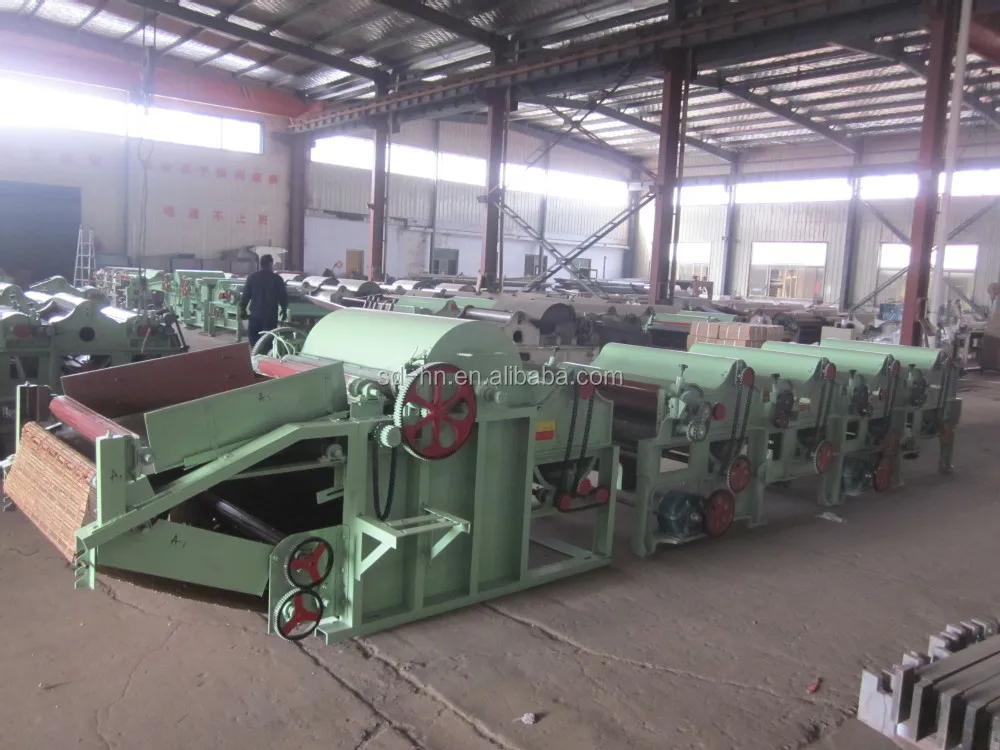
Următoarele este linia noastră de  mașini de reciclare a deșeurilor de bumbac

Mașină de reciclare a deșeurilor de bumbac / fibre textile reciclate


Mașină de reciclare a deșeurilor de bumbac / fibre textile reciclate

Produse

Mașină de reciclare a deșeurilor de bumbac / fibre textile reciclate


Mașină / mașină de reciclare a deșeurilor de bumbac

Mașină de reciclare a deșeurilor de bumbac

Aplicarea produselor

Mașină de reciclare a materialelor
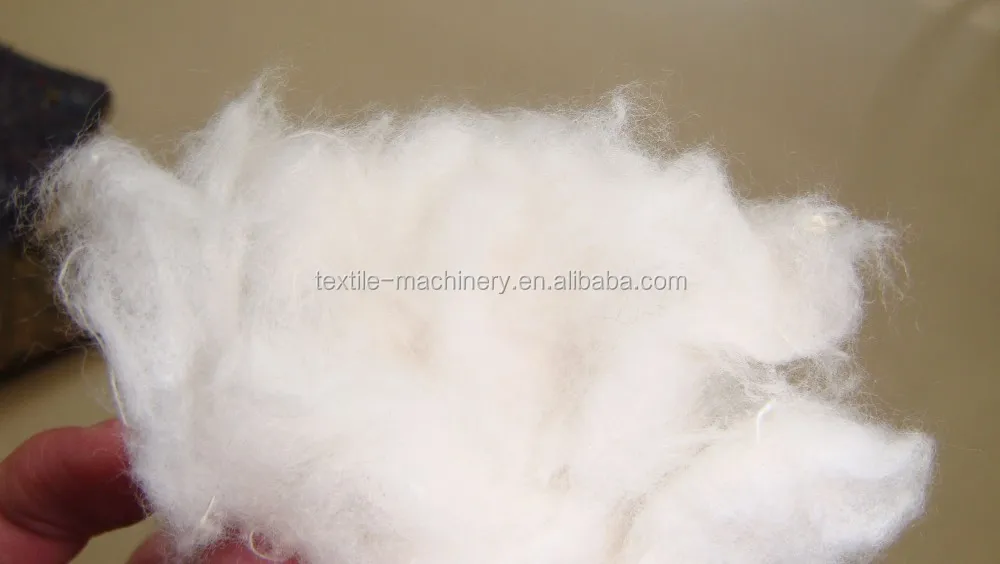
Mașina de reciclare a materialului poate recicla cele mai multe tipuri de materii prime textile, cum ar fi deșeurile de bumbac, deșeurile de bumbac, deșeurile de fibre, diverse fibre chimice, lenjeria de corp, lana, firele de deșeuri textile, hainele deșeurilor, materialele rămase din materiale textile, materiale, etc.
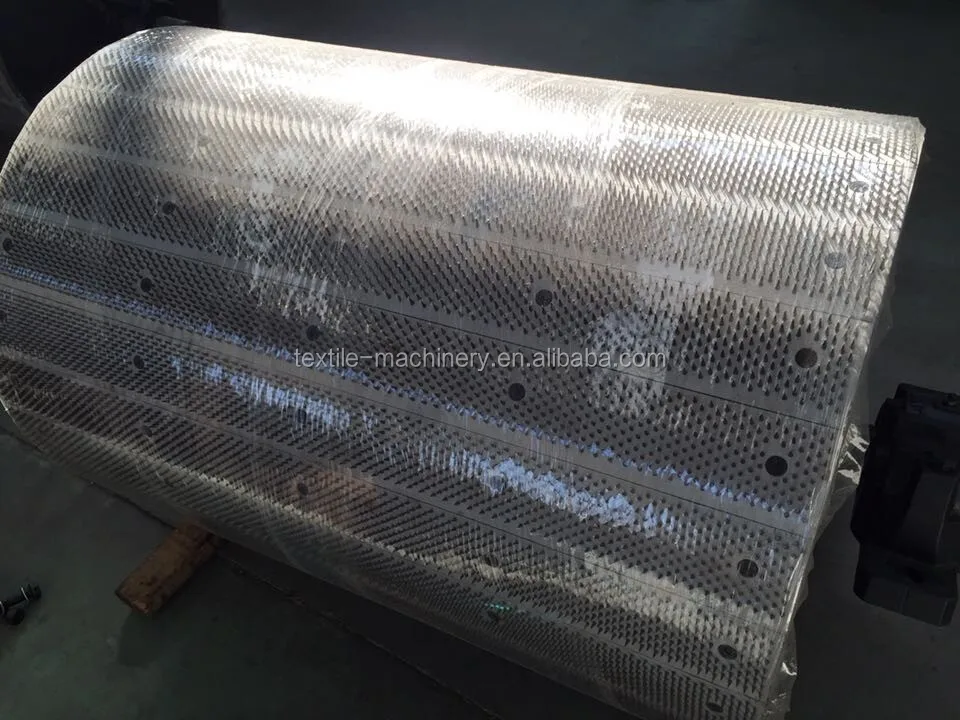
Mașina poate deschide și desface materialul și poate elimina impuritățile prin forța centrifugă generată de rotația de mare viteză a rolei.

Lungimea fibrei poate fi menținută și poate reduce daunele aduse fibrei.

Modelul adecvat al mașinii afectat de materia primă și calitatea necesară.

SPECIFICAȚII
Model
K600-N
K6150-N
K700-N
K700-N
Capacitate
240-320kg / h
400-500kg / h
450-550kg / h
700-850kg / h
Diametrul cilindrului
600mm
600mm
740mm
740mm
Putere
30×15 (N-1) kw
37 + 18,5 (N-1) kw
37 + 18,5 (N-1) kw
45 + 22 (N-1) kw
Lățimea de lucru
1000mm
1500mm
1000mm
1500mm
Voltaj
380V / 50Hz 3 faze
380V / 50Hz 3 faze
380V / 50Hz 3 faze
380V / 50Hz 3 faze
Greutate netă
800 kg kg
1100XN kg
1100XN kg
1500 kg / kg
Dimensiune
(1100 + 1900N) X1800X1450mm
(1100 + 1900N) X2300X1450mm
(1100 + 2100N) X2300X1450mm
Imagini detaliate
http://www.alibaba.com/product-detail/Fabric-textile-cotton-waste-recycling-machine_60759423397.html?spm=a2700.7735675.2017115.9.J3x97c&s=p

Noua mașină automată de curățare a textilelor pentru reciclarea deșeurilor de bumbac de la Hijoe Brand Preț de referință FOB

Noua mașină automată de curățare a textilelor pentru reciclarea deșeurilor de bumbac de la Hijoe Brand

Noua mașină automată de curățare a textilelor pentru reciclarea deșeurilor de bumbac de la Hijoe Brand

descrierea produsului

 Funcție și caracteristici:

Mașina de curățare a deșeurilor textile din seria JM îndepărtează impuritățile din materialele reziduale prin forța centrifugă produsă de rola de rotație ridicată. Mașinile acestea slăbesc mai întâi fibrele, apoi le presează în fulgi, care se pot folosi pe scară largă pentru reciclarea tuturor tipurilor de bumbac, deșeuri fire, tesatura, in ect in.

Specificație tehnologie:

Specificație JM250-4 JM250-5 JM250-6
producție 130-210kg / h 130-210kg / h 130-210kg / h
Roller dia. 250mm 250mm 250mm
Viteza rotativă 2000-2100r / m 2040-2100r / m 2040-2100r / m
Puterea motorului Primul 7.5kw, 5.5kw Primul 7.5kw, 5.5kw Primul 7.5kw, 5.5kw
Ventilator 1.1kw 1.1kw 1.1kw
Dimensiunea exterioară 4320 * 1500 * 1150 mm 5360 * 1500 * 1150 mm 1200 * 1500 * 1150 mm
Greutate 2000 kg 2,500 kg 3,000 kg


Specificație JM400-2 JM400-3 JM400-4
producție 130-210kg / h 130-210kg / h 130-210kg / h
Roller dia. 400mm 400mm 400mm
Viteza rotativă Primele 1800 r / m Primele 1800 r / m Primele 1800 r / m
Puterea motorului Primul 7.5kw, 5.5kw Primul 7.5kw, 5.5kw Primul 7.5kw, 5.5kw
Ventilator 1.1kw 1.1kw 1.1kw
Dimensiunea exterioară 2550 * 1720 * 1160 mm 3730 * 1500 * 1150 mm 4930 * 1500 * 1150 mm
Greutate 1,400 kg 2000 kg 2,800 kg

Noua mașină automată de curățare a textilelor pentru reciclarea deșeurilor de bumbac de la Hijoe BrandNoua mașină automată de curățare a textilelor pentru reciclarea deșeurilor de bumbac de la Hijoe BrandNoua mașină automată de curățare a textilelor pentru reciclarea deșeurilor de bumbac de la Hijoe BrandNoua mașină automată de curățare a textilelor pentru reciclarea deșeurilor de bumbac de la Hijoe Brand


Informatiile Companiei


Qingdao Hijoe Textile Machinery Co, Ltd, care este un producător independent din China, în principal , specializată în exportul de top mașină carte de calitate textile de peste 30 de ani, de aprovizionare întotdeauna o calitate excelentă, livrare la timp , cu cel mai bun preț .Wel ” produse principale s includ toate rezervă piese de mașini textile, toate mașini textile, precum și alte produse

http://www.alibaba.com/product-detail/New-Automatic-Textile-Cleaning-Machine-for_60673415741.html?spm=a2700.7735675.2017115.1.J3x97c&s=p

Dublă etapă PVC PET de reciclare și mașină de granulare

Deșeuri de granule din material plastic, mașini de reciclare și granulare de plastic, mașini de reciclare a materialelor plastice producător / furnizor în China, oferind dublu-etapa PET PET de reciclare și granulat mașină, PVC termic de tăiere cap Pelletizer Machine, PC Tube Machine Extruder Tube și așa mai departe.

Informatii de baza

Model NO .: Seria SJ
Stare: Nou
Capacitate: 50-500 kg / Hr
Șurub Daimeter: 90-150mm
Aplicație: Film plastic
Utilizare: Reciclarea și granularea din material plastic
Tip: Single-Stage
Material: PP PE ABC PVC
Nume marcă: Gt
Culoare: Personalizat
Tensiune: 380V / personalizat
Marcă comercială: GT
Pachet de transport: carcasă din lemn
Specificație: CE
Origine: China
Codul SA: 8477209000

descrierea produsului

                        Aparat de reciclare și granulare în PVC cu dublă etapă

1. Descriere produs
Granulator de plastic mic Componente:
Mașina pentru reciclarea și granularea plasticului constă din cele două extruderi, rezervorul de apă și dispozitivul de tăiere a granulelor. Suflanta poate fi adăugată în funcție de solicitarea clientului.
Utilizare:
Acest granulator din material plastic este utilizat pentru tăierea și extrudarea termoplastelor uzate, cum ar fi PC, PA, ABS, PP, PS, PE, PVC, PPR, POM, PBT etc. Diferitele
șuruburi pot produce diferite materiale plastice. Dacă sunt potrivite cu diferite capete de matriță și
mașini auxiliare . granulator mașină de uscare, de asemenea, poate extruda și produce sârmă, film, tub, placă,
Sheet și bandă etc.
plastic granulator
plastic reciclare granulator mașină
deșeuri de plastic reciclare granulator preț
PVC Reciclare și granulare Masini de
reciclare a plasticului Granulator de preț
deșeuri de granule de plastic de luare a mașinii de
plastic sticla de reciclare mașină
pp de reciclare și granulare de mașini de
reciclare a plasticului de granulare de mașini de
plastic de reciclare a peliculei și granulare mașină de
granulare de
plastic mașină de reciclare plastic
granule din plastic pentru a face
costul mașinii reciclare plastic mașină reciclare
plastic granulare mașină
granule din material plastic mașină de fabricat
dublu stadiu plastic granulat mașină
deșeuri granule din material plastic mașină
Pvc granule de a face mașină
granule din material plastic mașină de materii prime mașină
dublă-etapă pvc mașină de granulare
pvc granulator

Caracteristici: bine-proporționat, ridicat în afara pune, calitate stabilă, gamă largă aplicabile, durata lungă de servire.

model diametrul șurubului (mm) motor (kw) capacitate
SJ90  90 30   155-200kg / h
 SJ100  100  45  150-200kg
  SJ105  105 45    180-220kg / h
 SJ110  110 45    200-250kg / h
 SJ120   120 90   250-300kg / h

2. Pachet & Transport
(1) Pachet: pachet de siguranță din lemn
(2) Expediere: în principal pe mare.

3. Serviciile noastre
Dacă sunteți interesat de mașinile noastre, vă rugăm să nu ezitați să ne contactați.
Sper că putem reuși să cooperăm și să stabilim o relație de afaceri pe termen lung.

4. Informații despre companie
Cultura antică de 7000 de ani Hemudu concepe YuYao GuoTai Rubber & Plastic Machinery Co, LTD. Suntem producători specializați în mașini de plastic pentru mai mult de 10 ani, se bucură de o reputație de înaltă în întreaga lume. Mașinile noastre (Extrudere, mașini de decolare, mașini automate de tăiat, mașini pentru fabricarea țevilor și așa mai departe) sunt renumite pentru calitate și preț competitiv. Avem un număr mare de personal profesional și tehnic, angajându-ne în proiectarea și dezvoltarea echipamentelor, având experiență bogată practică. Veți fi mulțumit de serviciile noastre și de calitatea mașinilor noastre!
yyguotai.en.made-in-china.com/product/yjtxrXVBXRWY/China-Double-Stage-PVC-Pet-Recycling-and-Granulating-Machine.html